
_b6EAeI0l.png "Banner")
PRODUCTS
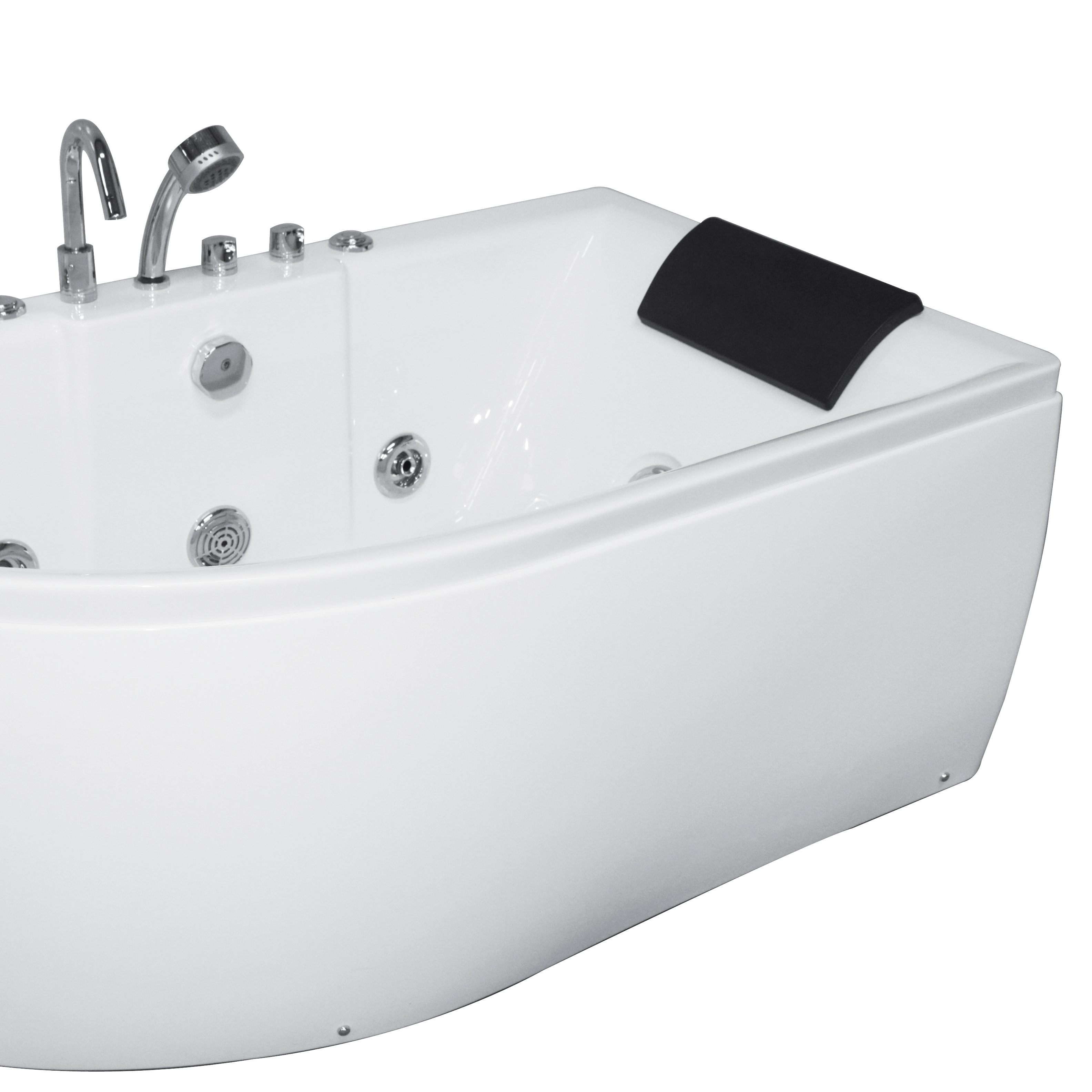
Manufacturer Direct Wholesale PU Waterproof Elastic Straightedge Convex-curved Bathtub Pillows SPA Massage Tub Headrest Backrest
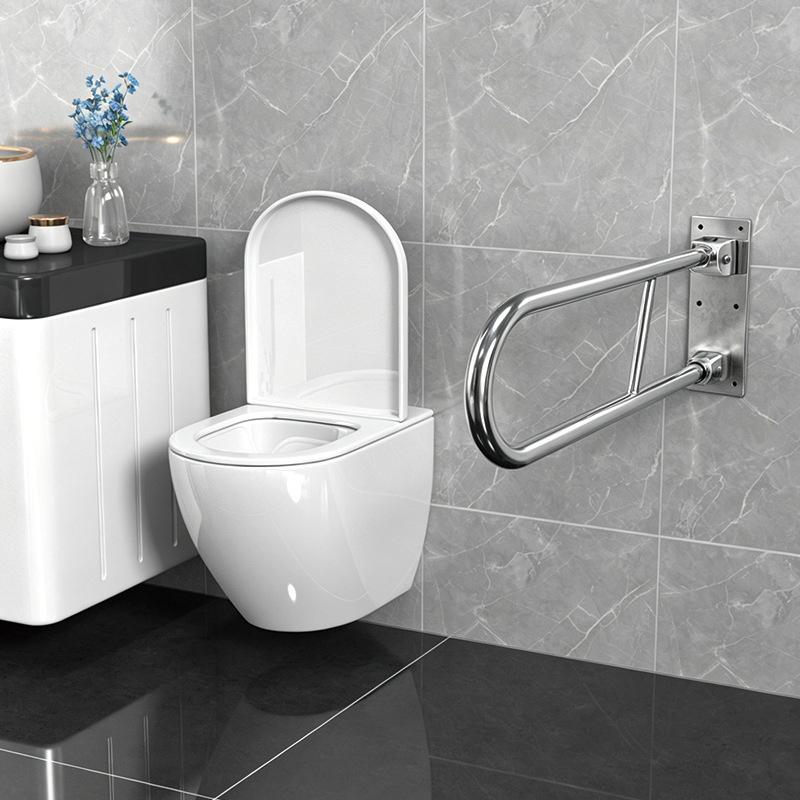
Wholesale Thickened Stainless Steel Modern Minimalist Bathroom Bathtub Non-Slip Handrail Elderly Safety Ergonomic Design
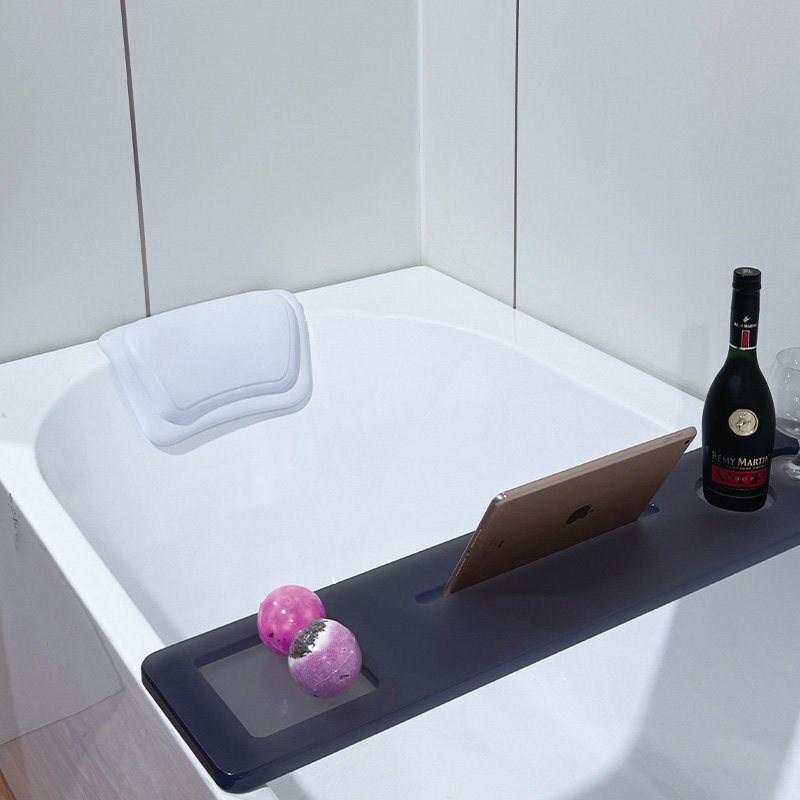
Installation-Free Home Bathroom High Elastic Neck Pillow Back Cushion Special Non-Slip Bathtub Bath Cushion Pillow
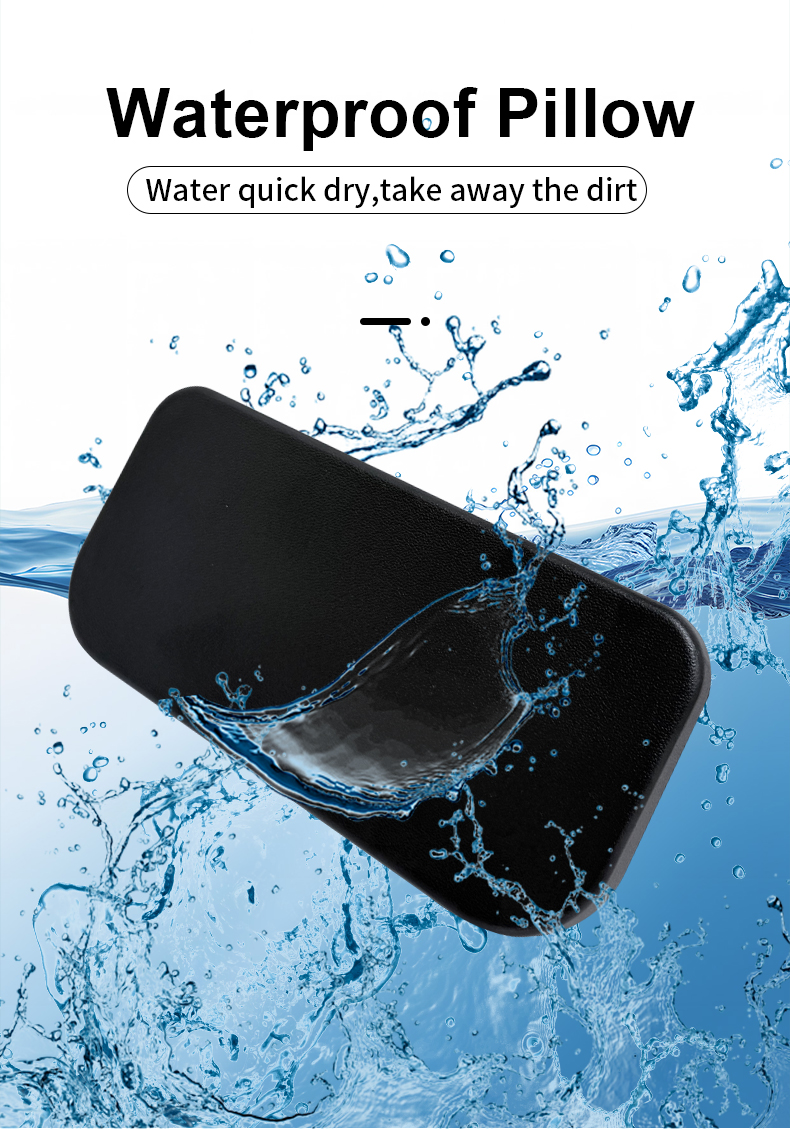
Direct From Manufacturer Polyurethane Waterproof Elastic Easy-to-clean Straight Edge Bathtub Pillow Freestanding Tub SPA Pillow
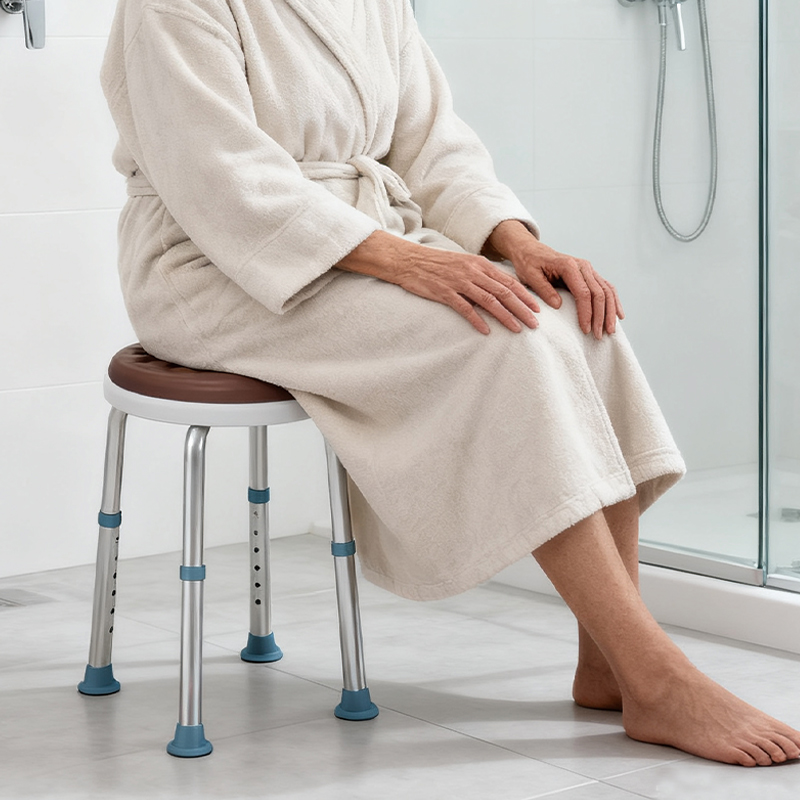
360° Swivel Elderly Bath Chair with Anti-Slip Base - Fixed Shower Bench
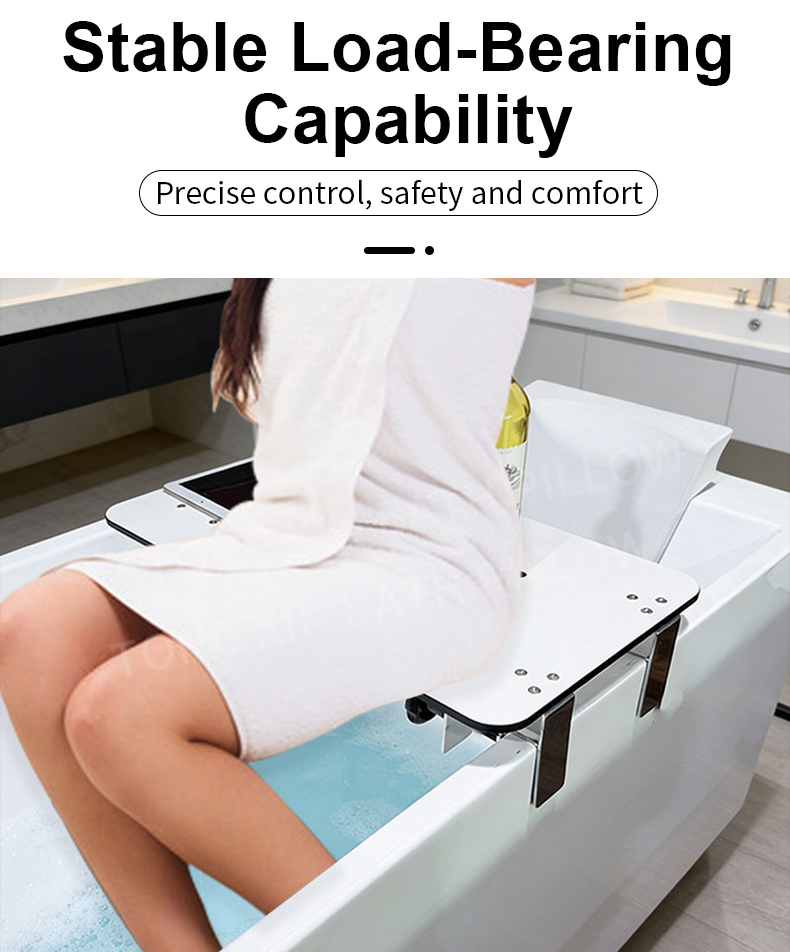
New Design Bathtub Folding Stool Waterproof & Moisture-Resistant 90-Degree Foldable Height-Adjustable Universal Bathtub Seat
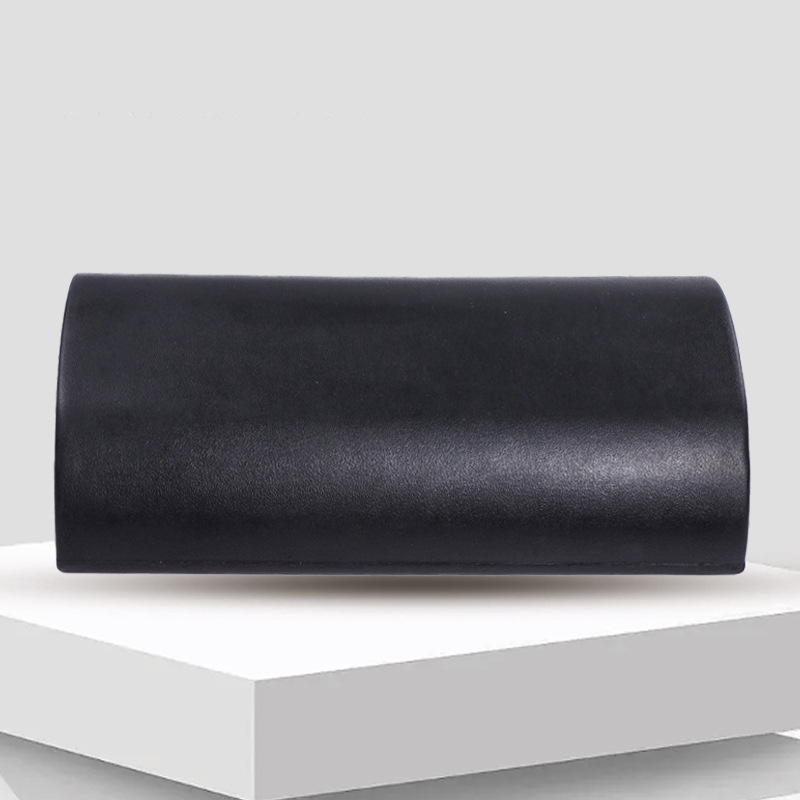
Modern Anti-Slip TX-23A Waterproof Hot Water Mat Safe and Stable for Bathroom or Hotel Use
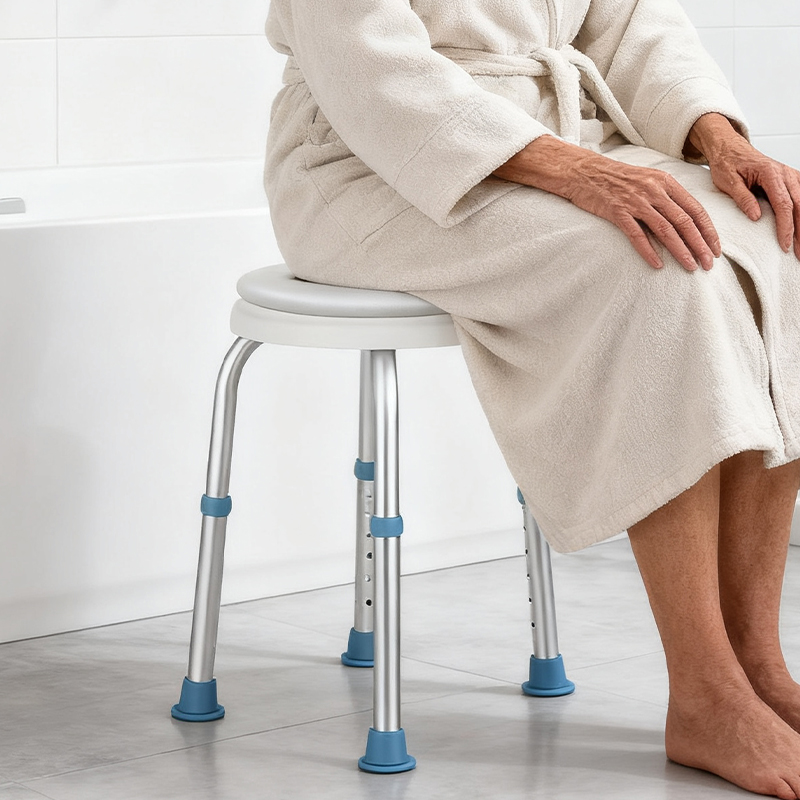
360 Degree Dual-Sided Rotating 6 Steps Height Adjustable Soft Cushion Waterproof Anti-Collision Lightweight Shower Stool Seat
How are sea freight costs calculated for large volumes of packaging aids?
Sea freight costs for large volumes of packaging aids, such as polyurethane shock-absorbing linings, are calculated based on cargo volume measured in Cubic Meters (CBM) for Less than Container Load (LCL) shipments, or flat container rates for Full Container Load (FCL) shipments using standard 20GP, 40GP, or 40HQ ocean containers. Additional billing elements include port-to-port distance, terminal handling charges, and selected delivery terms.
Core Solutions & Key Takeaways
- Volumetric Billing Domination: Because polyurethane shock-absorbing linings are lightweight and low-density, freight carriers charge based on the physical volume (CBM) rather than gross weight.
- FCL Optimization Thresholds: For large volume shipments, moving from LCL to FCL (Full Container Load) drastically lowers the per-unit freight rate by maximizing container utilization (20GP, 40GP, or 40HQ).
- Documented Logistics Tracking: Utilizing reliable transport protocols, such as FBA sea freight with real-time tracking, photo records of loading, and immediate bill of lading provisioning, mitigates hidden port expenses.
- Industrial Protective Applications: Shock-absorbing linings serve critical protective functions in anti-static packaging liners, automotive components, and equipment protective panels.
Detailed Architectural/Principle Analysis
In ocean freight logistics, cargo is classified as either "weight cargo" or "measurement cargo." Shock-absorbing linings manufactured from polyurethane fall strictly under measurement cargo because their volumetric weight exceeds their actual physical weight. For Less than Container Load (LCL) consolidation, the standard maritime conversion ratio is 1 CBM to 363 kg. If the total weight of the shipment is below this ratio, the freight cost is determined strictly by multiplying the total CBM by the basic sea freight rate per CBM.
When purchasing large quantities, transition to Full Container Load (FCL) shipping becomes highly economical. Manufacturers like Foshan City Heart to Heart Household Wares Manufacturer export these products globally under standardized quality controls. The shock-absorbing linings are packed to maximize container load factors, avoiding dead space. Shipping large-volume orders via FCL secures a flat ocean freight rate per container, effectively bypassing the cumulative individual CBM costs of LCL shipping.
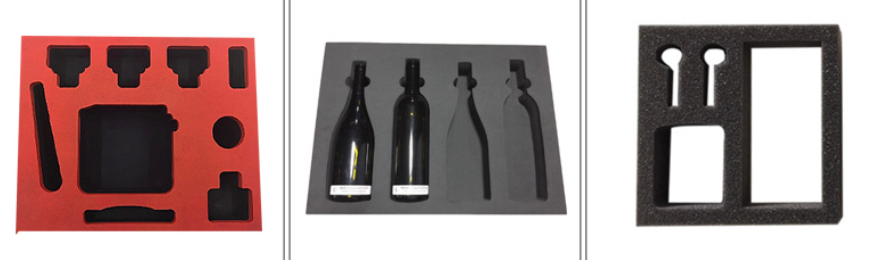
To ensure customs clearance is seamless and avoids costly port storage fees, products must comply with destination-market certifications. Quality polyurethane packaging components and accessories hold crucial certifications, including ISO9001, CE, SGS, REACH, and RoHS, which prevent administrative shipping delays. Standard shipping practices require that all cargo loading is photographed and synchronized in real time to secure a reliable, traceable cross-border logistics pathway.
SUBSCRIBE
INQUIRY