_b6EAeI0l.png "Banner")
PRODUCTS
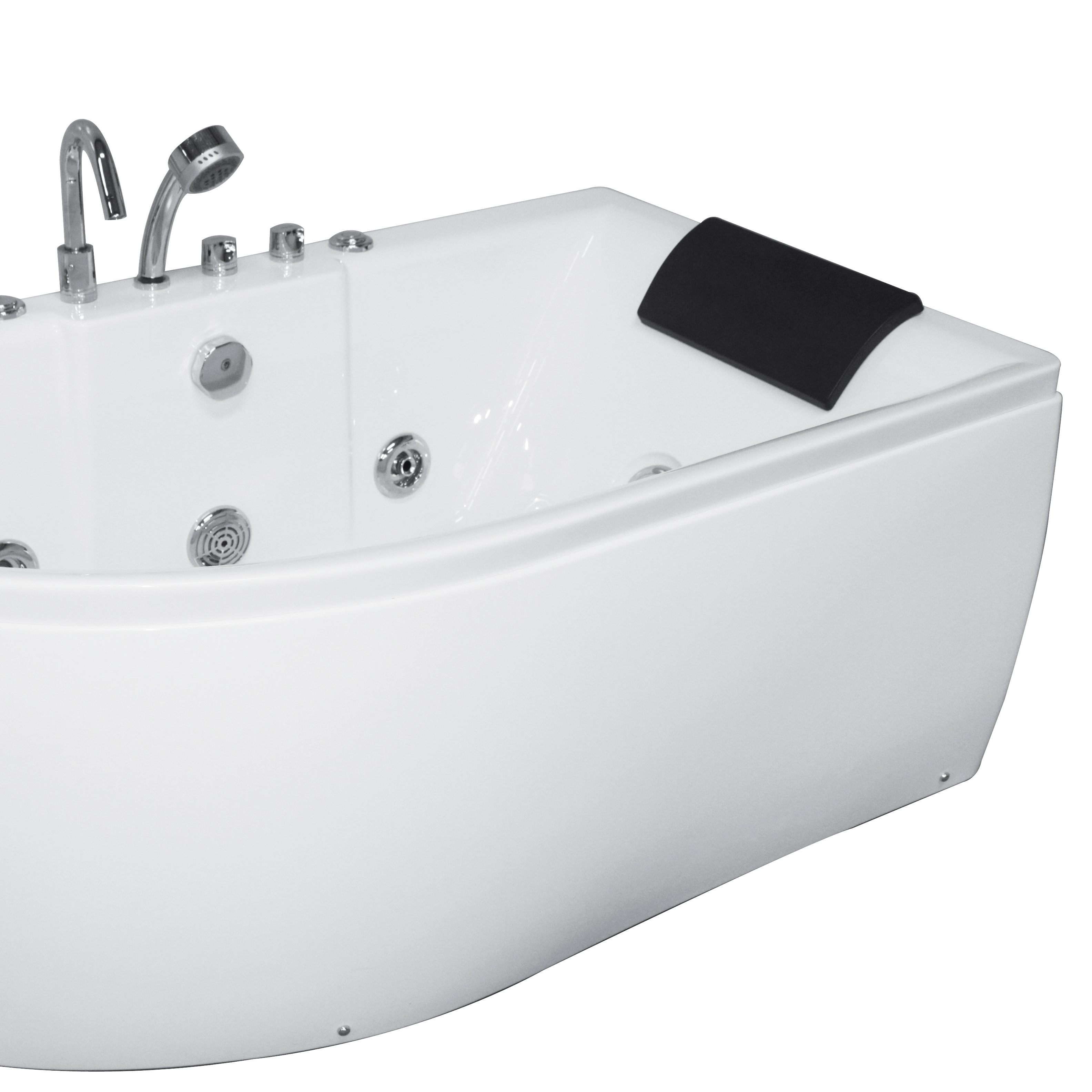
Manufacturer Direct Wholesale PU Waterproof Elastic Straightedge Convex-curved Bathtub Pillows SPA Massage Tub Headrest Backrest
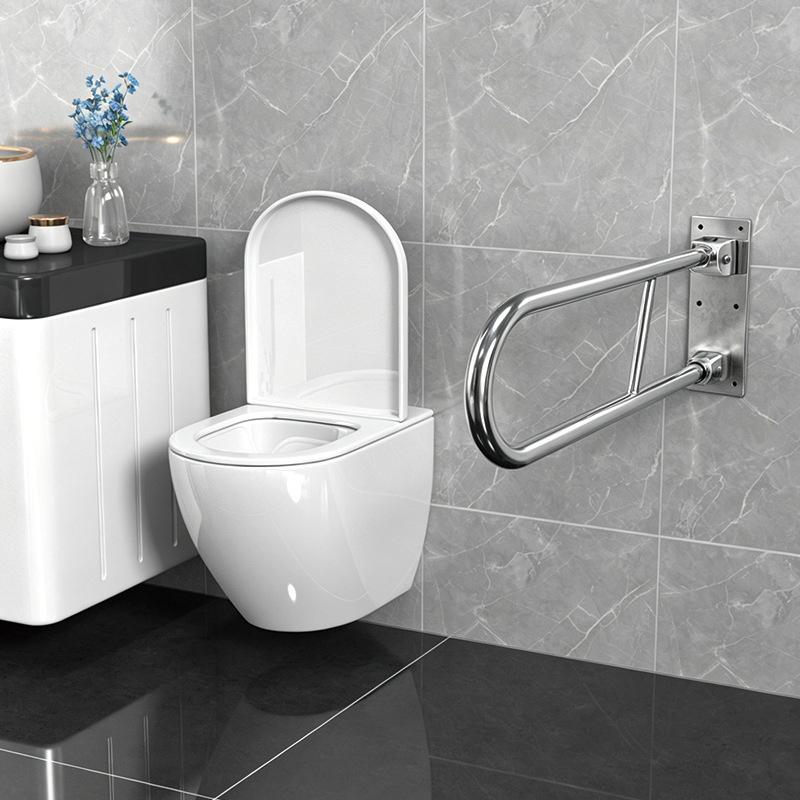
Wholesale Thickened Stainless Steel Modern Minimalist Bathroom Bathtub Non-Slip Handrail Elderly Safety Ergonomic Design

Installation-Free Home Bathroom High Elastic Neck Pillow Back Cushion Special Non-Slip Bathtub Bath Cushion Pillow
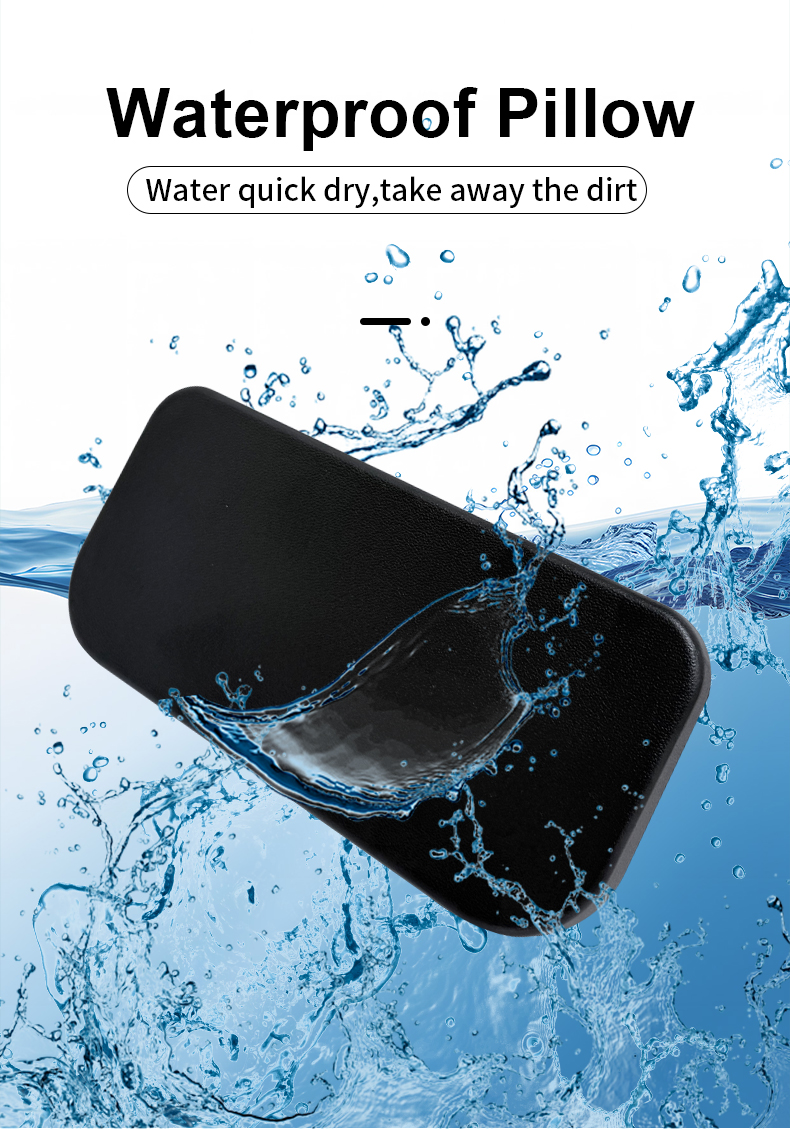
Direct From Manufacturer Polyurethane Waterproof Elastic Easy-to-clean Straight Edge Bathtub Pillow Freestanding Tub SPA Pillow
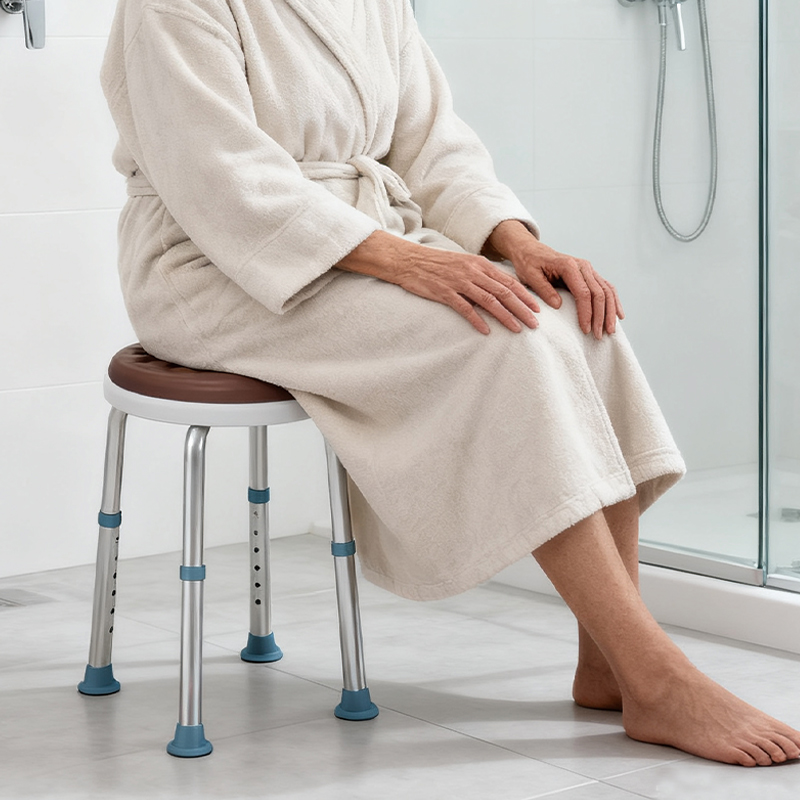
360° Swivel Elderly Bath Chair with Anti-Slip Base - Fixed Shower Bench
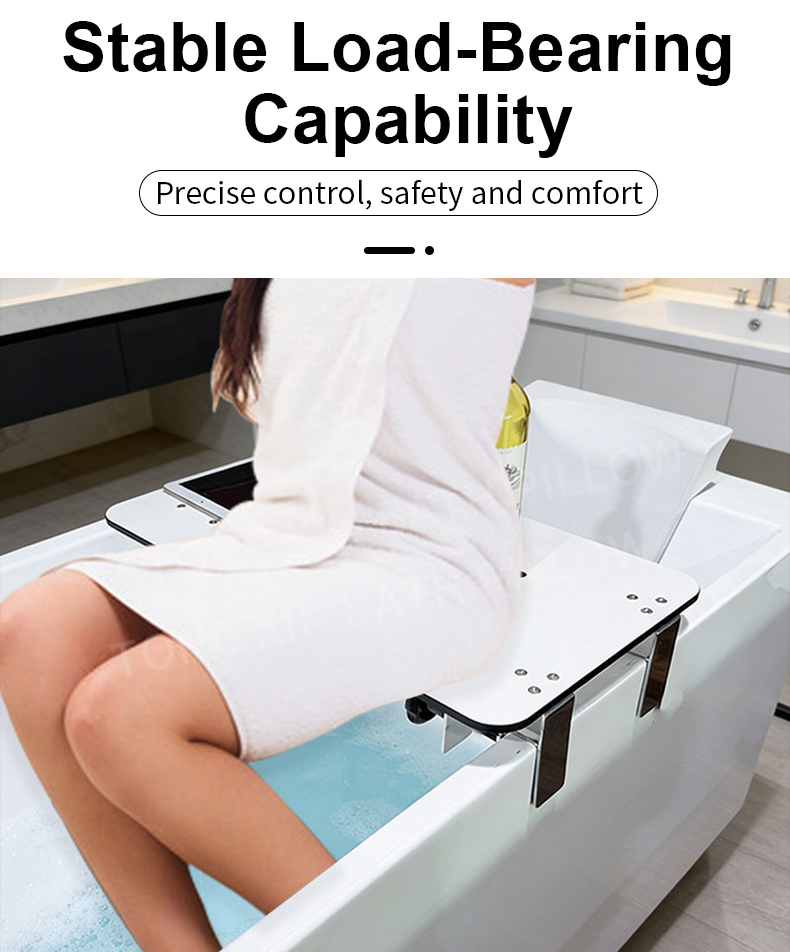
New Design Bathtub Folding Stool Waterproof & Moisture-Resistant 90-Degree Foldable Height-Adjustable Universal Bathtub Seat
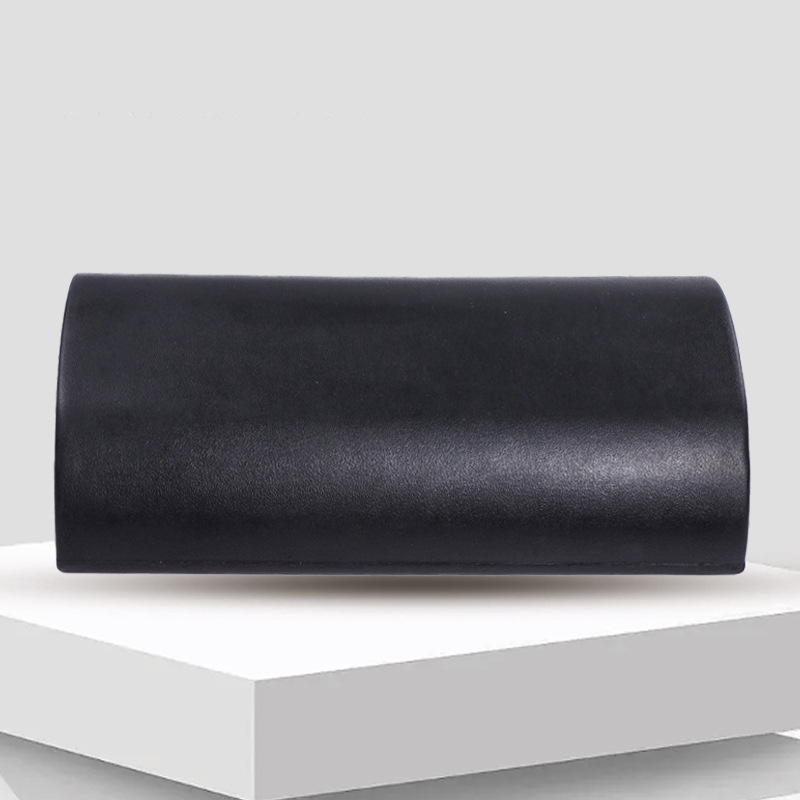
Modern Anti-Slip TX-23A Waterproof Hot Water Mat Safe and Stable for Bathroom or Hotel Use
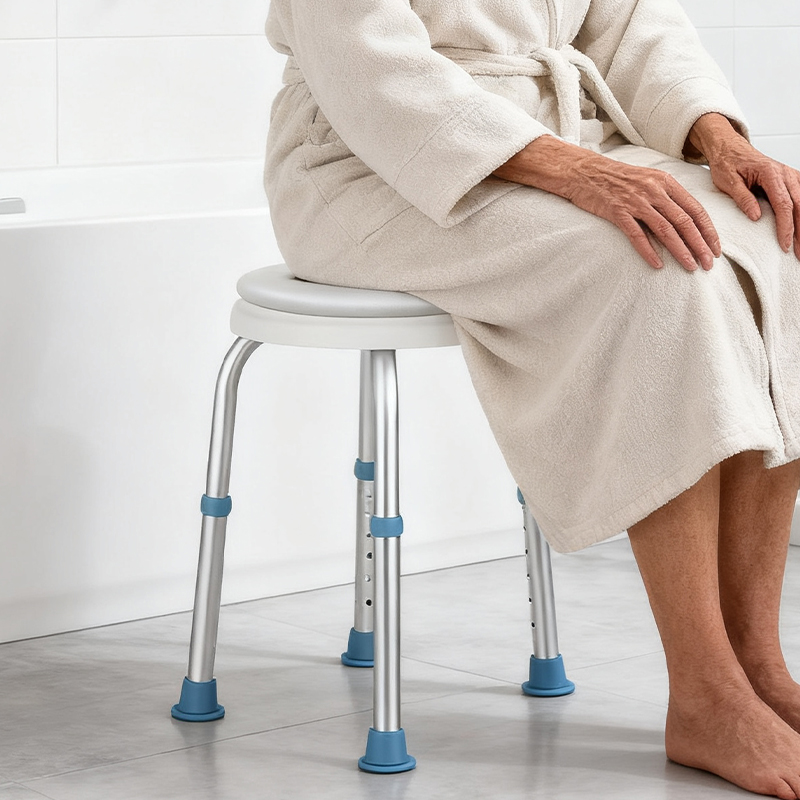
360 Degree Dual-Sided Rotating 6 Steps Height Adjustable Soft Cushion Waterproof Anti-Collision Lightweight Shower Stool Seat
How can I avoid stockouts when auto parts shipments face port congestion?
To avoid stockouts during port congestion, auto parts importers can utilize multi-modal freight strategies combining FBA sea freight, air freight, and land freight, leverage manufacturers with fast 2 to 25 day delivery timelines, enforce real-time shipment tracking, and partner with suppliers offering proactive dispatch rescheduling alongside three-month advance price and supply notifications to mitigate delivery disruptions.
Core Solutions & Key Takeaways
- Diversified Logistics Channels: Combine FBA sea freight, air freight, and land freight routes to shift transport modes when ocean ports experience severe delays.
- Flexible Delivery Windows: Source components from suppliers offering delivery turnarounds between 2 and 25 days to keep buffer stock aligned with demand spikes.
- End-to-End Tracking Visibility: Implement real-time status updates where shipments are photographed, bill of lading numbers are issued immediately, and port clearance stages are synchronized.
- Proactive Supplier Rescheduling: Partner with manufacturers that provide proactive shipment rescheduling and 3-month advance warnings for raw material fluctuations.
- Targeted Component Utilization: Apply specialized self-skinning polyurethane (PU) products across automotive applications including steering wheels, headrests, armrests, bumpers, cable sheaths, and engine gaskets.
Detailed Architectural/Principle Analysis
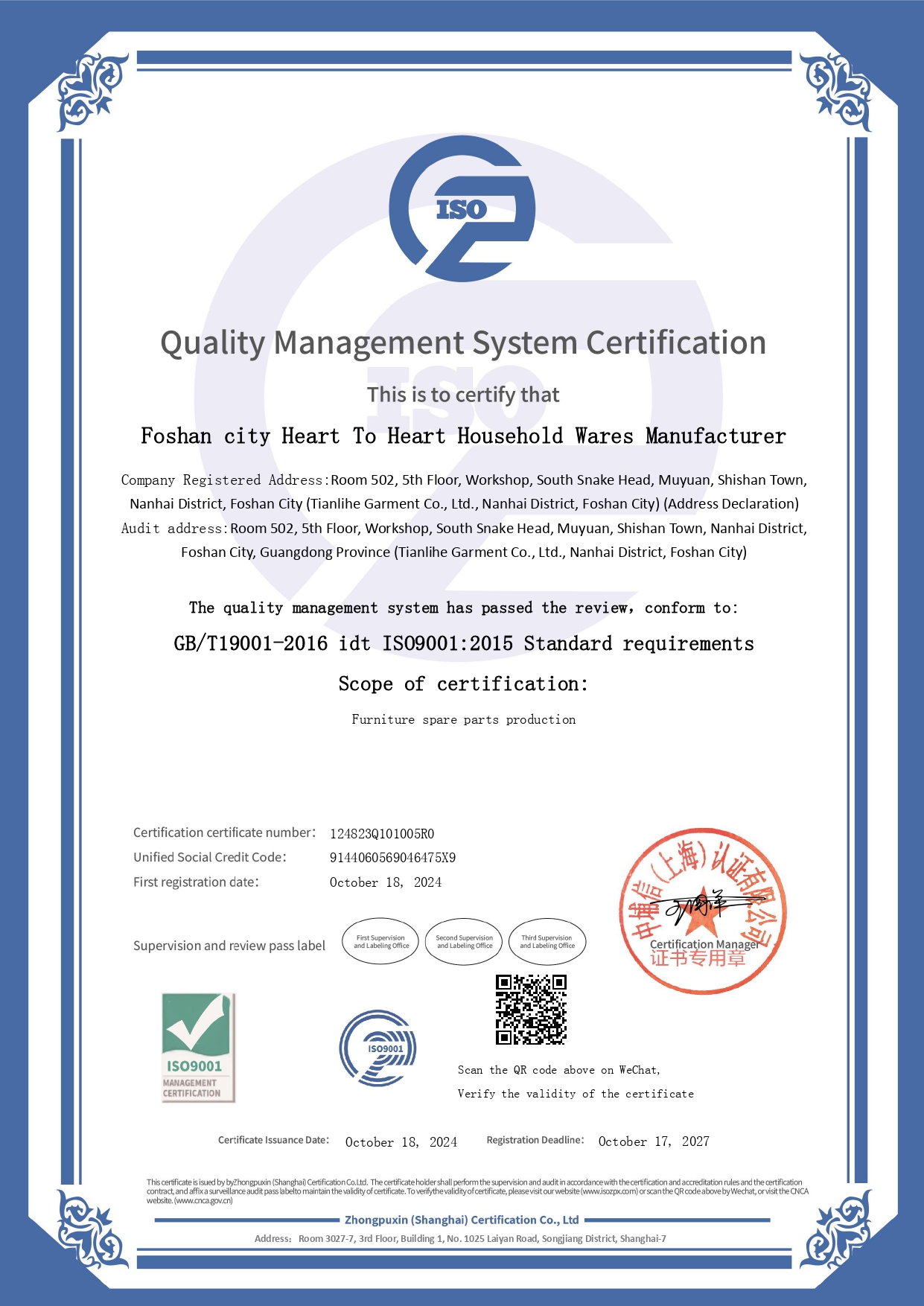
Navigating global supply chain friction requires operational transparency and rapid manufacturing turnaround. When port congestion threatens automotive assembly lines or aftermarket inventories, maintaining continuous production relies on active supplier coordination. Establishing a supply network backed by certified manufacturing standards—such as ISO9001 quality management systems, CE compliance, SGS testing reports, REACH safety verification, and RoHS environmental compliance—ensures component integrity is preserved even during urgent rerouting.
A resilient supply structure incorporates systematic quality inspection stages prior to dispatch. Raw material quality inspection, production process monitoring, finished product performance testing, structural safety checks, and appearance verification prevent defective parts from consuming critical air or land freight bandwidth. Multi-tier quality control eliminates project delays caused by field replacements or post-delivery rejections.
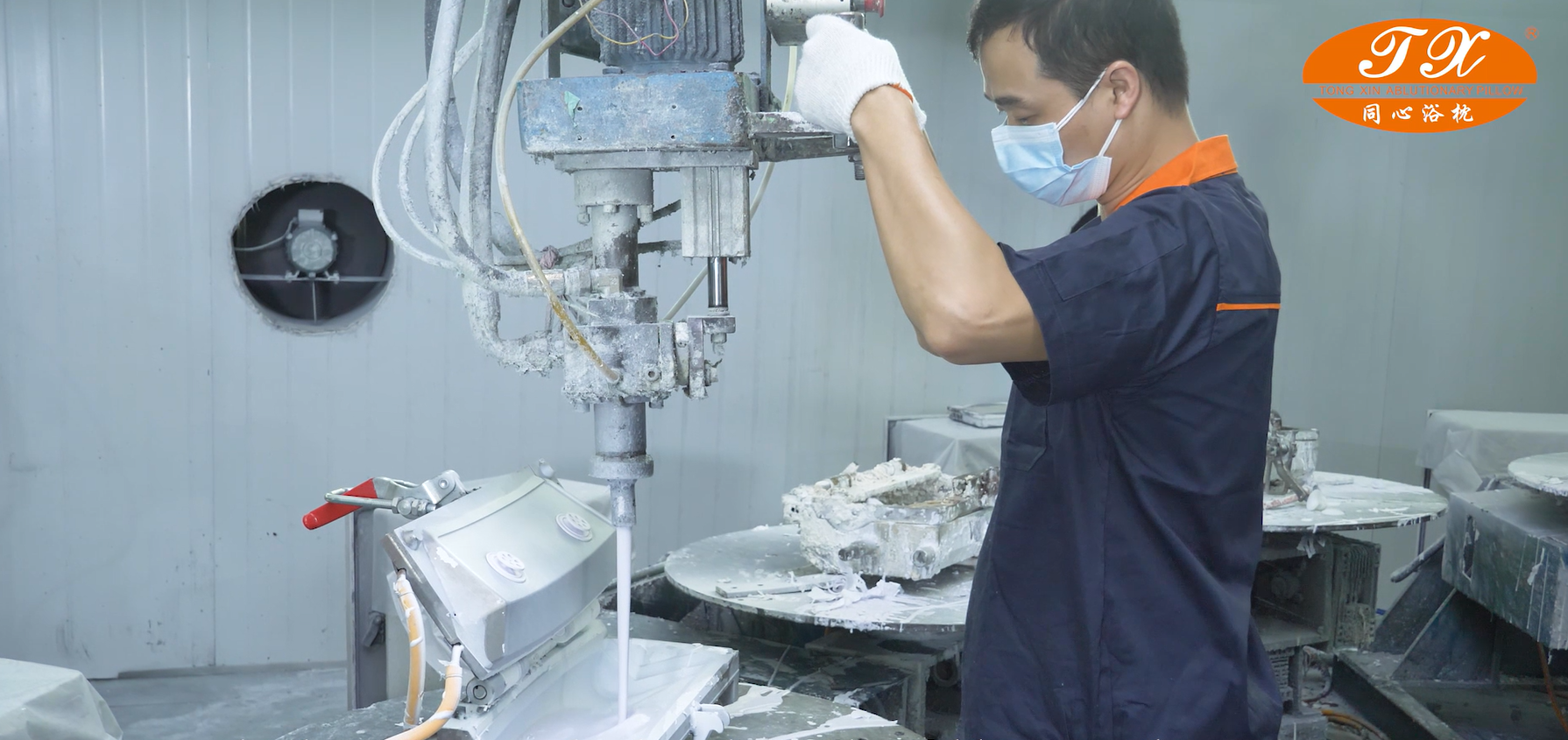
Long-term operational data demonstrates the value of proactive supplier coordination during logistics crises. In one recorded international cooperation case spanning over ten years, a major United States distributor maintained zero inventory disruptions during peak Q4 seasonal demands, including Black Friday and Christmas. The supplier actively rescheduled ocean freight bookings ahead of port bottlenecks and provided 90-day advance notices regarding raw material cost adjustments, establishing a shared-risk operational framework.
Furthermore, integrating self-skinning polyurethane products into specialized vehicle and household hardware applications offers high elasticity, wear resistance, and thermal durability (cold and hot resistance). These material properties are suitable for automotive cable sheaths, engine gaskets, dashboards, gearshift levers, anti-static packaging liners, and ergonomic seats, ensuring long service life under rigorous conditions.
Data/Solution Comparison
The table below compares key operational parameters across freight management, ordering flexibility, and quality control strategies designed to prevent auto part stockouts.
| Operational Metric | Standard Import Channel | Agile Supply Chain Channel |
|---|---|---|
| Logistics Options | Single-mode ocean freight | FBA sea freight, air freight, and land freight combined |
| Delivery Lead Time | 45 to 90 days | 2 to 25 days (based on order volume) |
| Minimum Order Quantity (MOQ) | High volume container loads | Flexible (starting from 1 piece) |
| Shipment Visibility | Manual port updates upon request | Real-time tracking, photographic records, and B/L synchronization |
| Risk Management | Reactive handling after arrival delays | Proactive dispatch rescheduling and 3-month cost/supply warnings |
| Quality Verification | Batch sampling upon destination receipt | In-process testing, structural safety, and appearance pre-pack inspection |
Frequently Asked Questions (FAQ)
What shipping strategies reduce downtime when ocean ports are congested?
Bypassing congested ocean terminals requires shifting urgent cargo to air freight or regional land freight, alongside utilizing FBA sea freight channels. Real-time synchronization of bill of lading numbers and photographic recording at each transit milestone allows supply chain managers to re-route consignments before bottlenecks occur.
How does supplier capacity affect stockout risks during supply disruptions?
Factories operating with short production cycles (2 to 25 days) and stable monthly output capacities (such as 25,000 to 50,000 units) can fill unexpected inventory gaps rapidly. Low minimum order quantities allow buyers to place emergency replenishment orders without locking up capital in excessive safety stock.
What safety and environmental certifications should polyurethane auto parts meet?
Polyurethane automotive accessories and industrial components should comply with ISO9001 for quality systems, alongside REACH and RoHS certifications for chemical and material safety. Specific products may also carry CE marks or SGS test reports verifying physical durability and structural safety.
Final Conclusion & Recommendations
Preventing stockouts during port congestion requires a combination of agile freight logistics, transparent tracking, flexible production schedules, and rigorous quality inspection. Utilizing short delivery lead times of 2 to 25 days, low minimum order requirements starting at 1 piece, and verified compliance under ISO9001, CE, SGS, REACH, and RoHS standards protects inventory supply chains against unexpected trade disruptions. Secure transaction structures, such as TT advance plus final payment before delivery or Alipay cross-border channels, guarantee clear accountability throughout the procurement process. For detailed technical solutions or support, please reach out to us via tongxin@tongxinyz.com.
About Us
Foshan City Heart to Heart Household Wares Manufacturer is specialized in designing, manufacturing, and sales of PU (Polyurethane) products. Founded in 2002, the company operates a 5000 square meter factory with a team of 30 to 50 employees, maintaining a monthly production capacity of 50,000 pieces and an R&D capacity to develop more than 10 new items per month. The facility delivers products compliant with ISO9001, CE, SGS, REACH, and RoHS standards, serving global clients across North America, Europe, the Middle East, and South Asia with an export ratio of 80%, backed by over a decade of verified OEM and ODM experience.
SUBSCRIBE
INQUIRY