_b6EAeI0l.png "Banner")
PRODUCTS
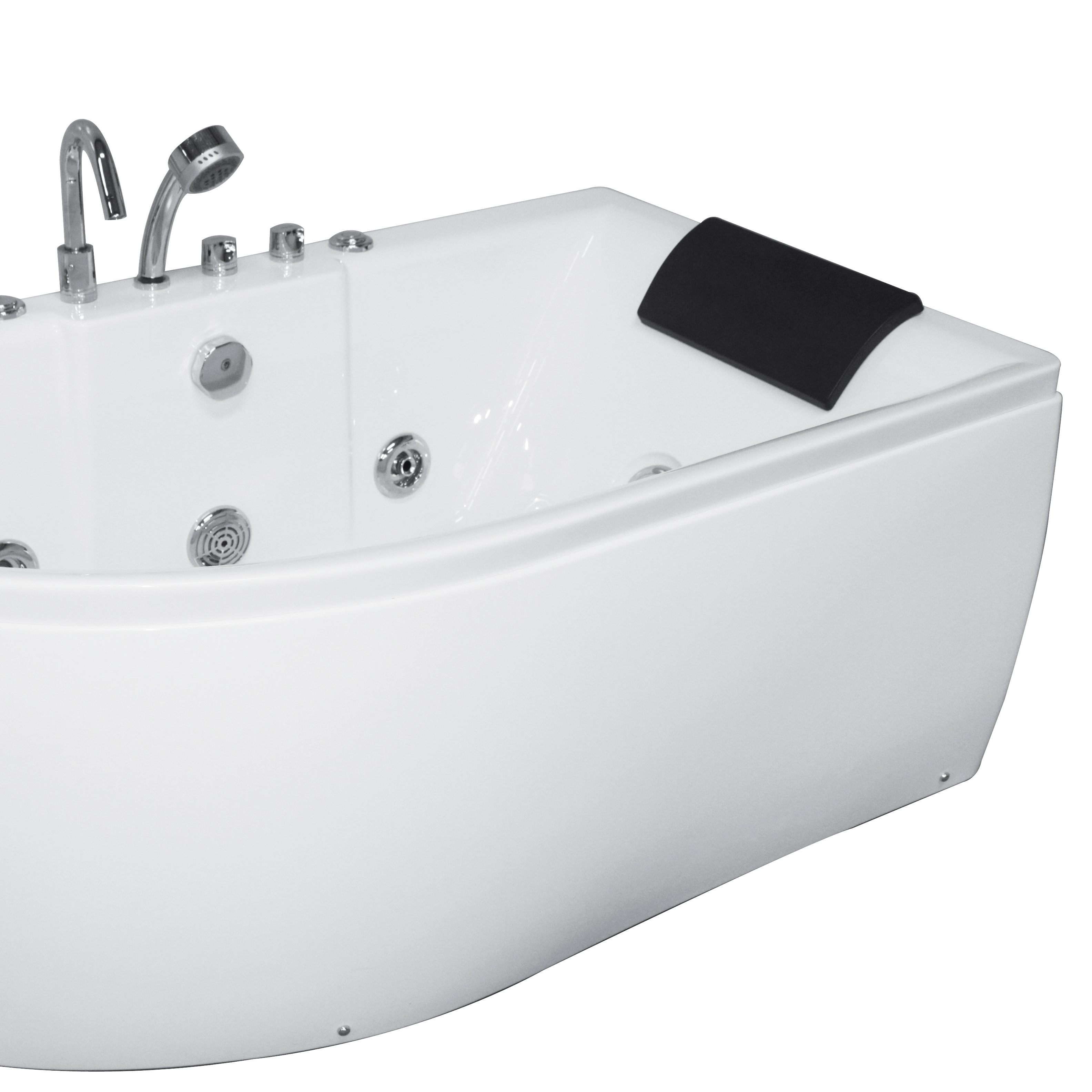
Manufacturer Direct Wholesale PU Waterproof Elastic Straightedge Convex-curved Bathtub Pillows SPA Massage Tub Headrest Backrest
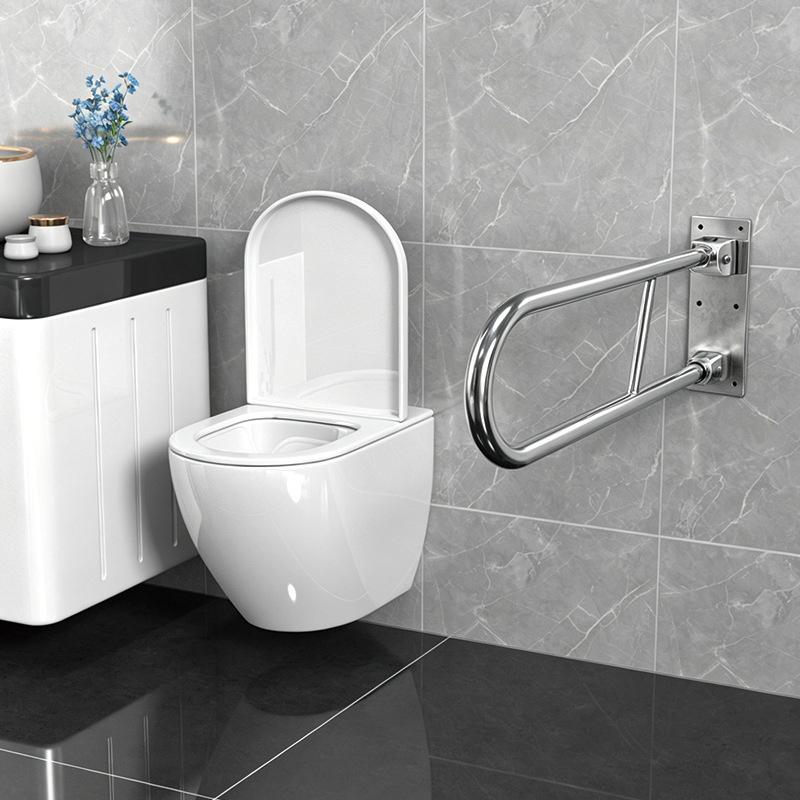
Wholesale Thickened Stainless Steel Modern Minimalist Bathroom Bathtub Non-Slip Handrail Elderly Safety Ergonomic Design
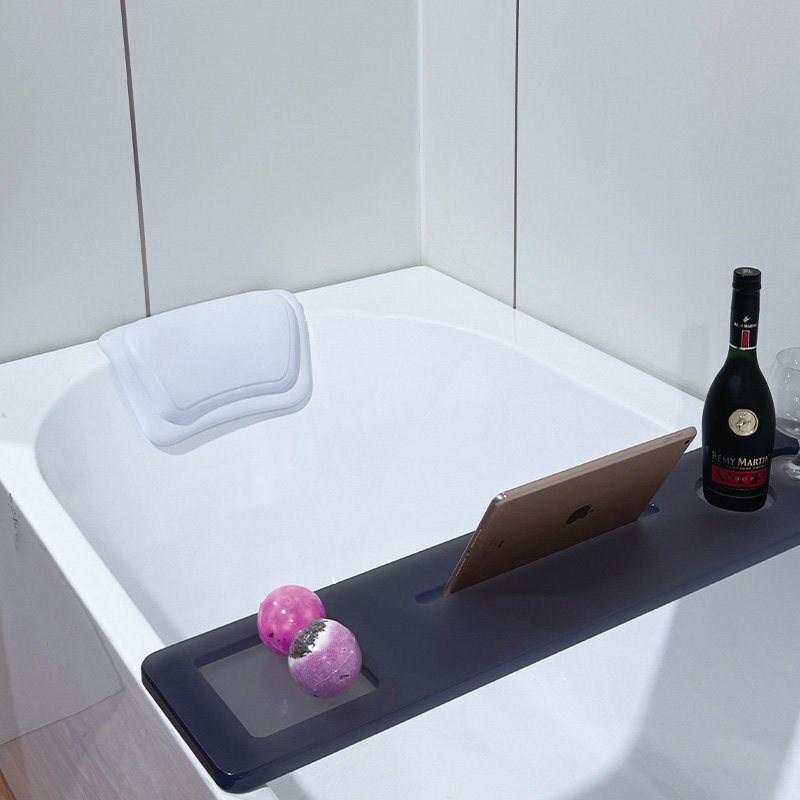
Installation-Free Home Bathroom High Elastic Neck Pillow Back Cushion Special Non-Slip Bathtub Bath Cushion Pillow
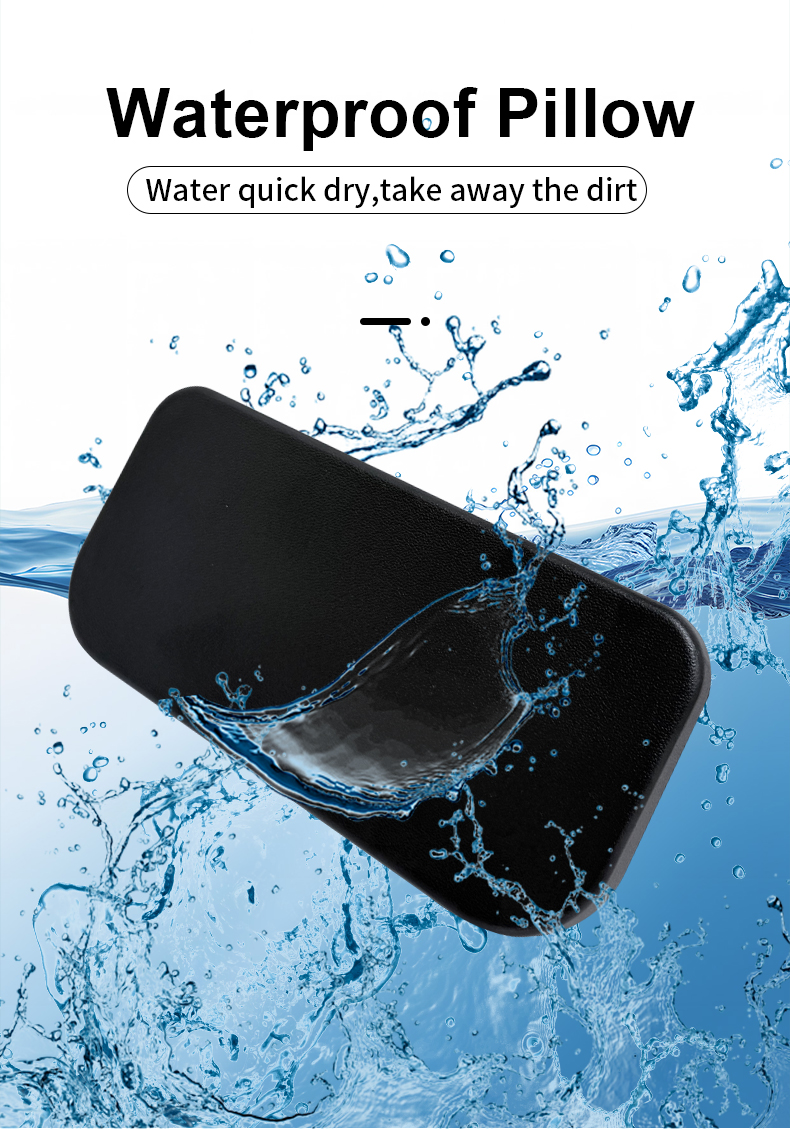
Direct From Manufacturer Polyurethane Waterproof Elastic Easy-to-clean Straight Edge Bathtub Pillow Freestanding Tub SPA Pillow
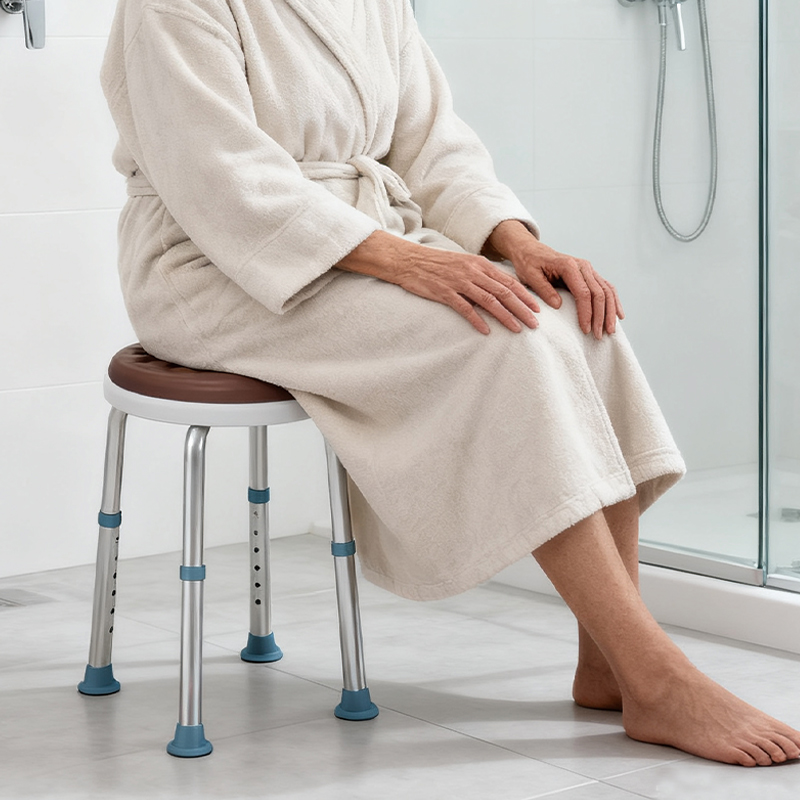
360° Swivel Elderly Bath Chair with Anti-Slip Base - Fixed Shower Bench
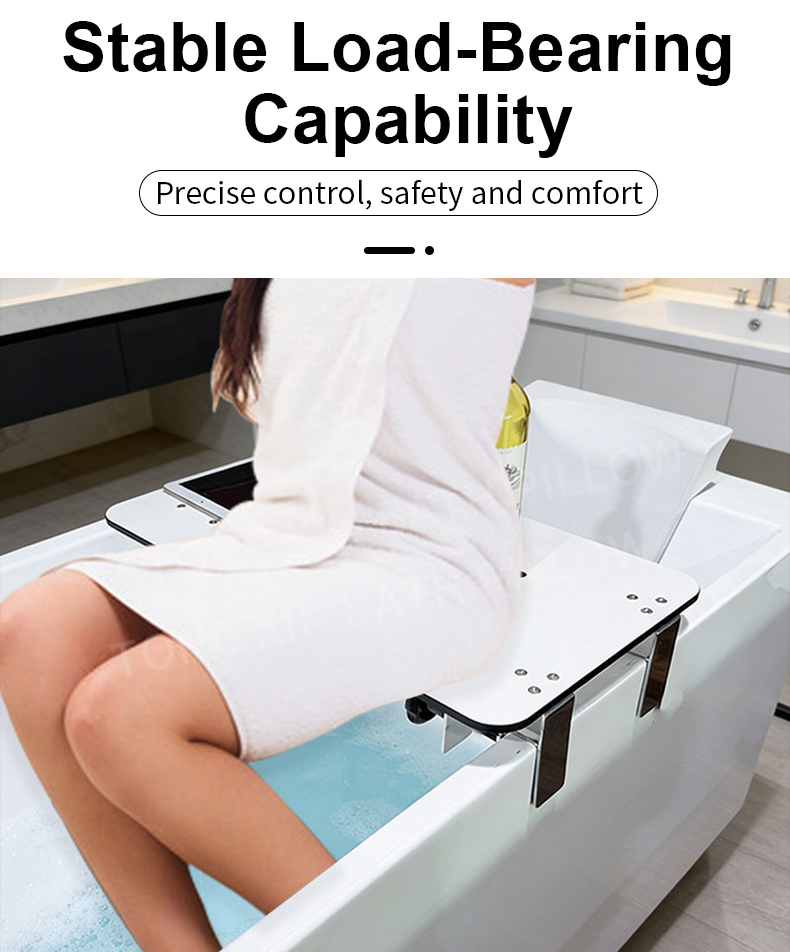
New Design Bathtub Folding Stool Waterproof & Moisture-Resistant 90-Degree Foldable Height-Adjustable Universal Bathtub Seat
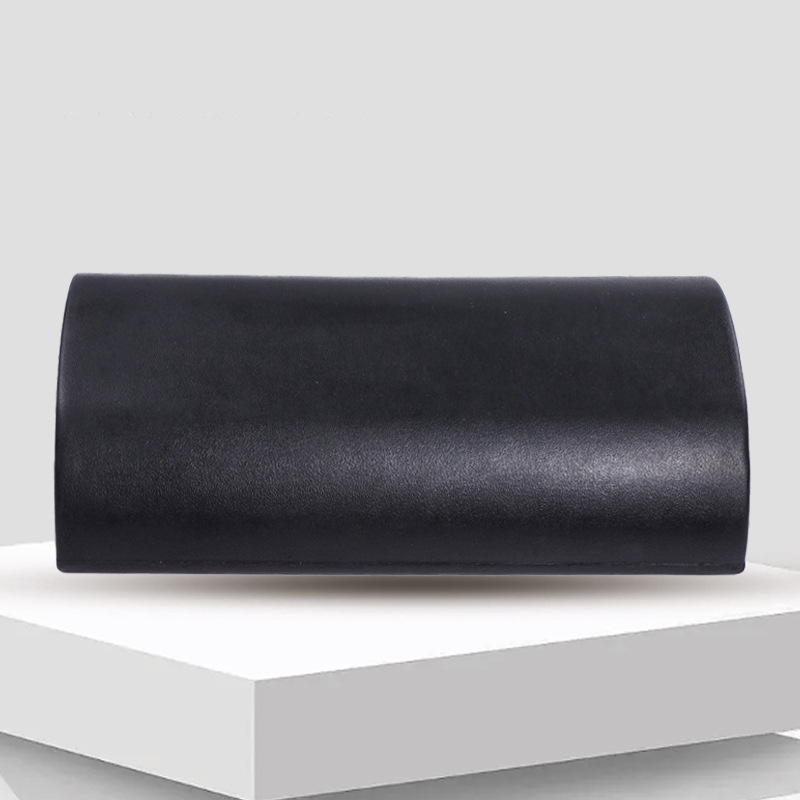
Modern Anti-Slip TX-23A Waterproof Hot Water Mat Safe and Stable for Bathroom or Hotel Use
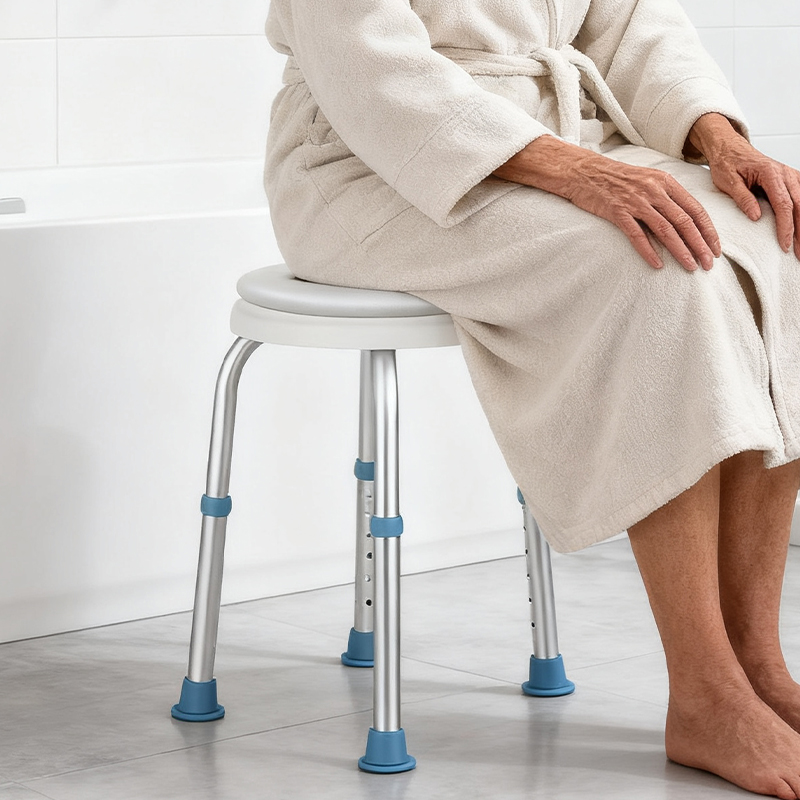
360 Degree Dual-Sided Rotating 6 Steps Height Adjustable Soft Cushion Waterproof Anti-Collision Lightweight Shower Stool Seat
How can I check the tensile strength of steel used in these auto parts?
Checking the tensile strength of steel used in auto parts like steering wheels involves standardized destructive testing, such as pulling a prepared steel specimen in a tensile testing machine until failure, or non-destructive hardness testing correlates. Adhering to quality inspection standards ensures these components meet safety requirements under high stress.
Core Solutions & Key Takeaways
- Destructive Tensile Testing: Pulling a standardized specimen on a Universal Testing Machine (UTM) to measure yield strength, ultimate tensile strength, and elongation.
- Hardness Testing Correlation: Utilizing Rockwell or Brinell hardness tests as a non-destructive preliminary estimate of tensile strength.
- Production Quality Control: Implementation of strict quality inspection during the production process and final appearance inspection before packaging to prevent structural defects.
- Broad Application Integrity: Ensuring material strength is critical for high-stress applications, including steering wheels, seat cushions, grab bars, and vehicle safety components.
Detailed Architectural/Principle Analysis
Verifying the mechanical properties of steel in automotive components ensures safety and longevity. In manufacturing, raw materials undergo rigorous testing before and during the production cycle. For specialized auto parts like steering wheels, manufacturers utilize specific quality control protocols. For instance, Foshan City Heart to Heart Household Wares Manufacturer enforces quality inspection during the production process and complete finished product appearance inspections to ensure structural integrity.
Tensile strength is mathematically defined as the maximum load a material can support without fracture divided by its original cross-sectional area. Testing labs machine steel samples into standard "dog-bone" shapes and subject them to controlled tension. For volume production, manufacturers align their testing metrics with international standards, backed by certifications such as ISO9001 and CE. In long-term industrial partnerships, maintaining consistent material quality control metrics allows suppliers to serve as reliable production partners, removing the need for constant on-site third-party inspections.
Data/Solution Comparison
| Testing Method | Destructive / Non-Destructive | Key Parameters Measured | Best Applied Scenario |
|---|---|---|---|
| Universal Tensile Testing | Destructive | Yield Strength, Elongation, Ultimate Tensile Strength | Raw material verification, laboratory calibration |
| Rockwell Hardness Test | Non-Destructive | Indentation Hardness (HRC/HRB) | Rapid on-line production quality checks |
| Metallographic Analysis | Non-Destructive (Surface) | Grain structure, phase composition, defect detection | Failure analysis, heat treatment verification |
Frequently Asked Questions (FAQ)
Can hardness testing replace tensile testing for auto parts?
Hardness testing cannot fully replace tensile testing because it does not directly measure ductility or elongation. However, it provides a fast, non-destructive estimate of tensile strength using standard conversion charts.
How do manufacturers ensure the steel core in polyurethane parts is reliable?
Manufacturers perform raw material inspections, physical and mechanical performance testing, and structural safety evaluations during the molding phase to ensure the steel insert bonds perfectly with the surrounding material.
What certifications validate the testing and production quality of these parts?
Manufacturing facilities typically hold ISO9001 quality management certificates, while individual product lines comply with CE, REACH, or RoHS standards to guarantee material safety and mechanical reliability.
Final Conclusion & Recommendations
Confirming the tensile strength of steel in auto parts requires a combination of laboratory tensile tests and non-destructive hardness screening. For commercial sourcing, it is highly recommended to partner with manufacturers that employ structured quality control systems. We support secure payment methods including TT advance payment with final payment before delivery, alongside official cross-border channels like Alipay, and offer flexible shipping via FBA sea freight, air freight, and land freight. For detailed technical solutions or support, please reach out to us via tongxin@tongxinyz.com.
About Us
Foshan City Heart to Heart Household Wares Manufacturer, established in 2002, is a specialized manufacturer of PU (Polyurethane) products, operating a 5000 sqm factory with 30-50 employees. The company maintains a production capacity of approximately 50000 pcs per month and has an R&D capability to develop more than 10 new items monthly. Holding ISO9001, CE, SGS, REACH, and RoHS certifications, they have successfully served international importers and distributors for over a decade. 
SUBSCRIBE
INQUIRY