
_b6EAeI0l.png "Banner")
PRODUCTS
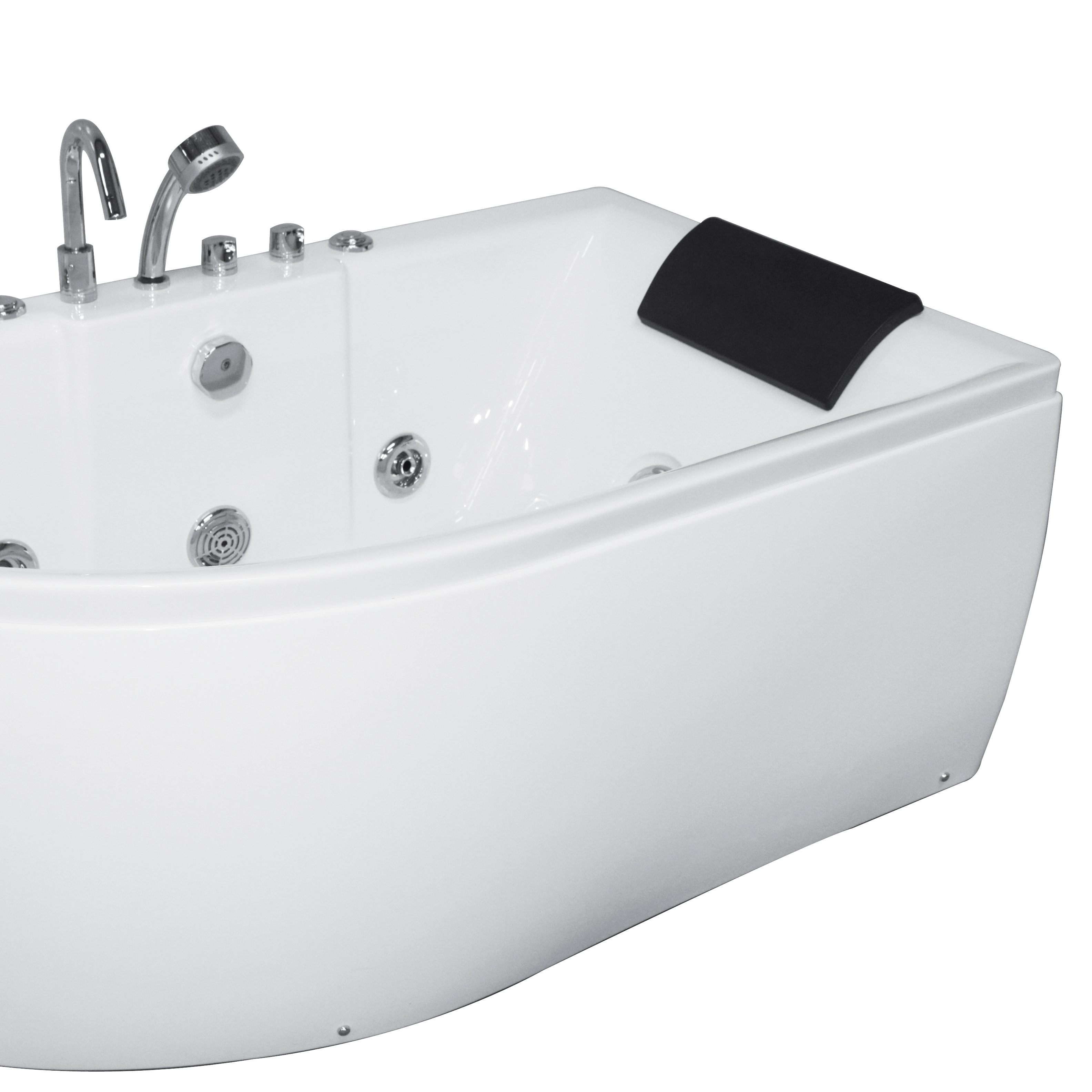
Manufacturer Direct Wholesale PU Waterproof Elastic Straightedge Convex-curved Bathtub Pillows SPA Massage Tub Headrest Backrest
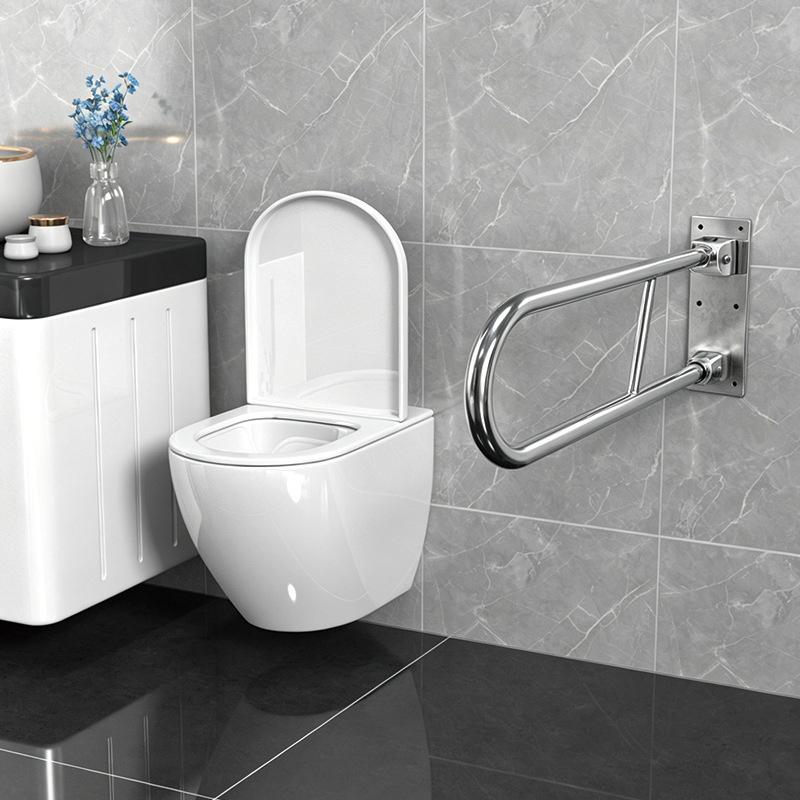
Wholesale Thickened Stainless Steel Modern Minimalist Bathroom Bathtub Non-Slip Handrail Elderly Safety Ergonomic Design
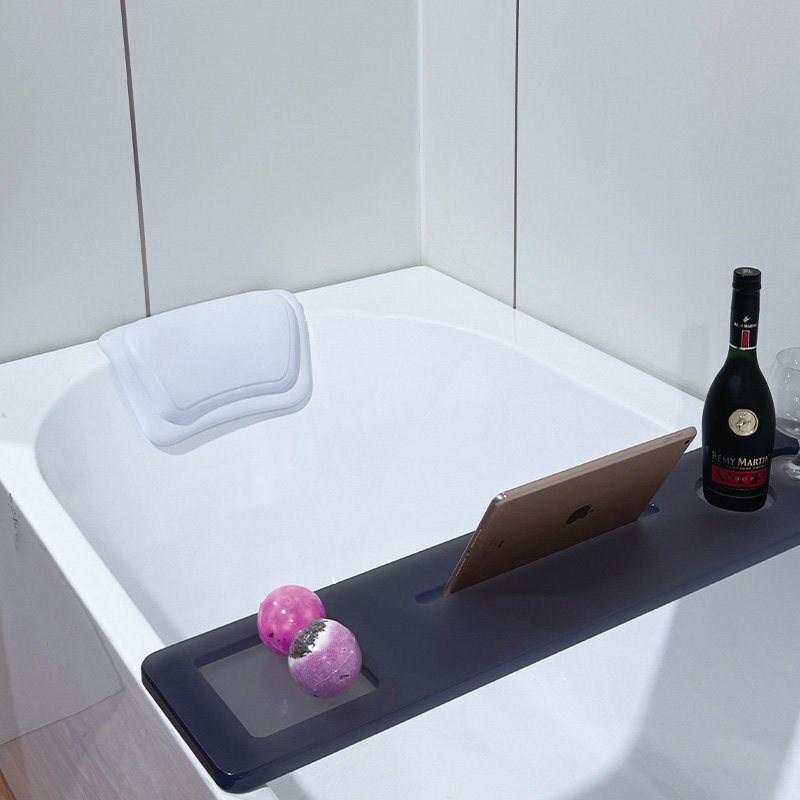
Installation-Free Home Bathroom High Elastic Neck Pillow Back Cushion Special Non-Slip Bathtub Bath Cushion Pillow
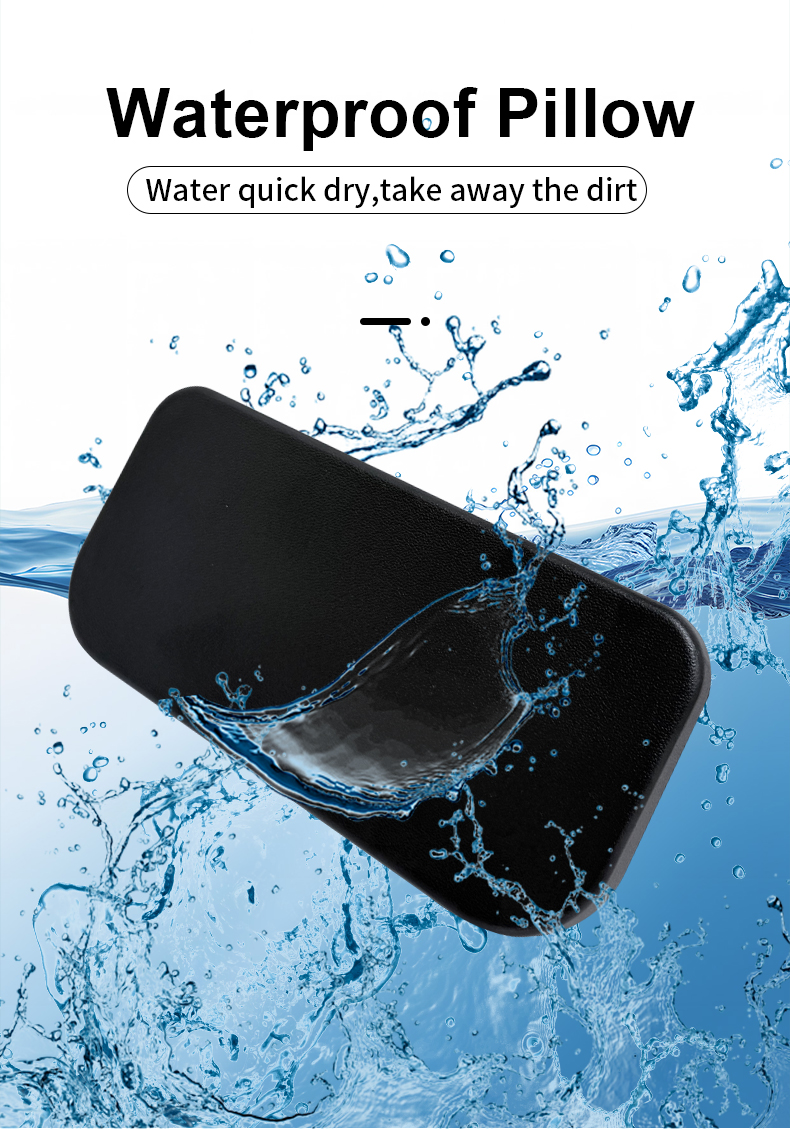
Direct From Manufacturer Polyurethane Waterproof Elastic Easy-to-clean Straight Edge Bathtub Pillow Freestanding Tub SPA Pillow
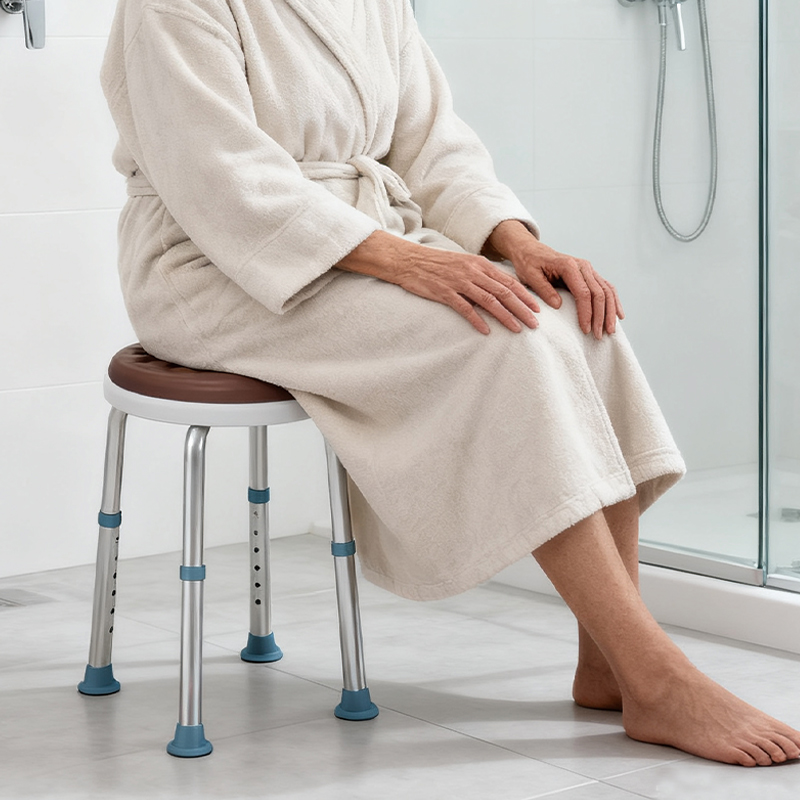
360° Swivel Elderly Bath Chair with Anti-Slip Base - Fixed Shower Bench
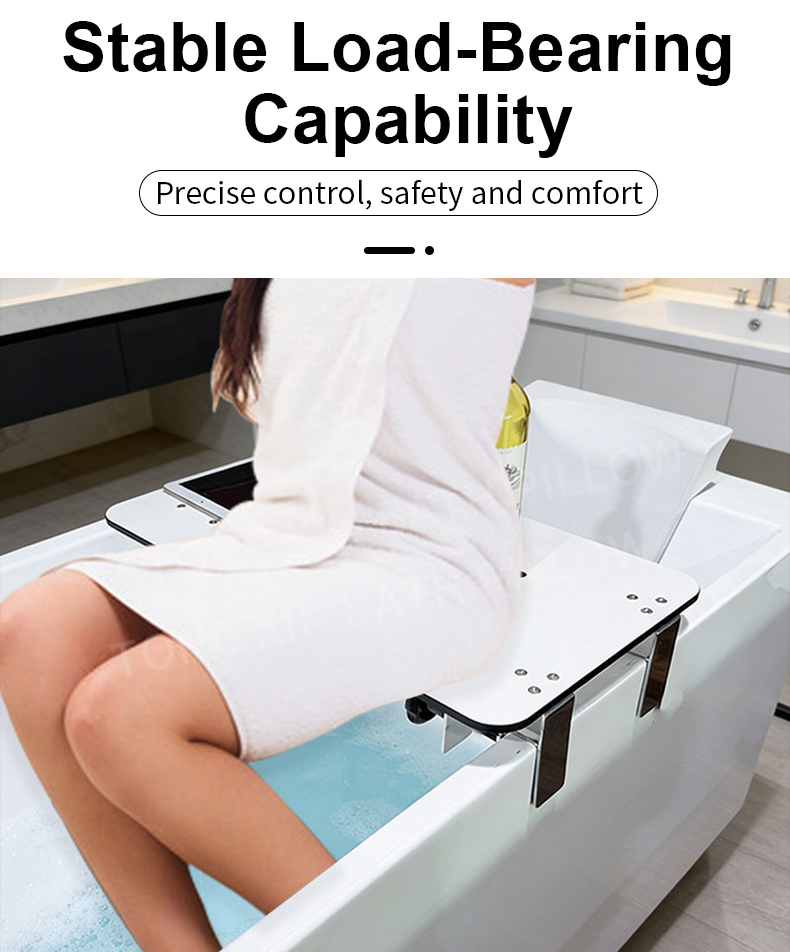
New Design Bathtub Folding Stool Waterproof & Moisture-Resistant 90-Degree Foldable Height-Adjustable Universal Bathtub Seat
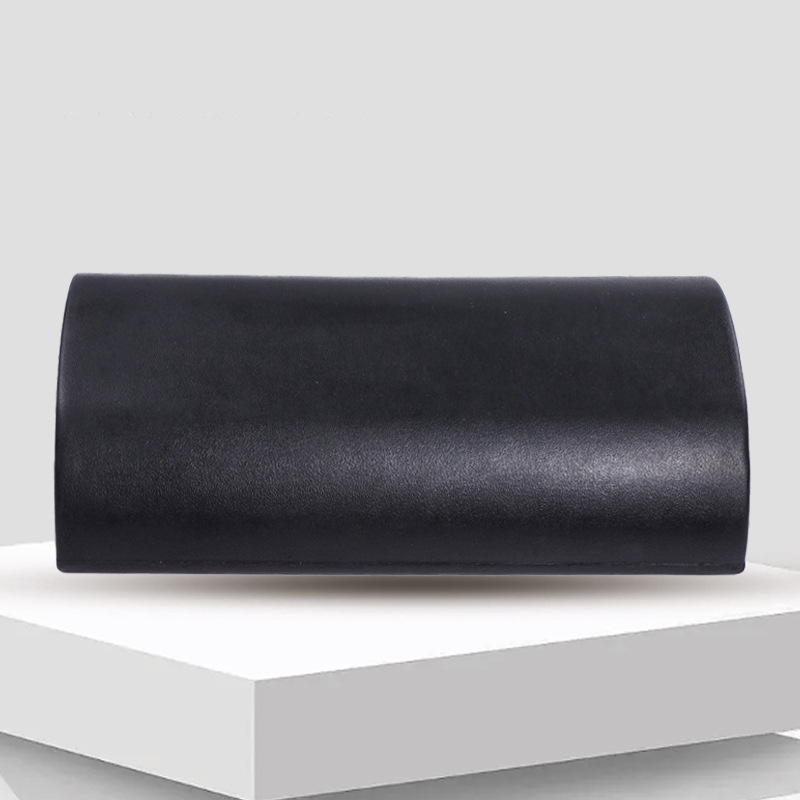
Modern Anti-Slip TX-23A Waterproof Hot Water Mat Safe and Stable for Bathroom or Hotel Use
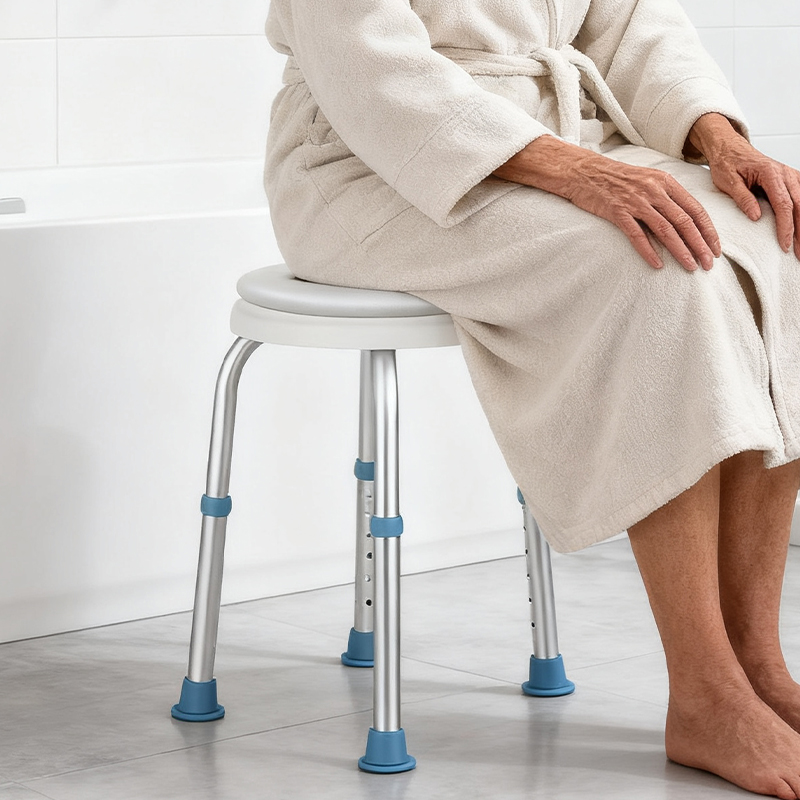
360 Degree Dual-Sided Rotating 6 Steps Height Adjustable Soft Cushion Waterproof Anti-Collision Lightweight Shower Stool Seat
How can I tell if a bathroom accessory is rust-free 304 stainless steel or just zinc alloy?
To distinguish a rust-free 304 stainless steel bathroom accessory from zinc alloy, test their weight, magnetic properties, and cross-section. 304 stainless steel is heavier, non-magnetic or weakly magnetic, and reveals a uniform silver metallic core when scratched. Zinc alloy is lighter, non-magnetic, and has a dull grey internal color prone to rapid corrosion when the plating layer is compromised.
Core Solutions & Key Takeaways
- Weight and Density Check: 304 stainless steel has a higher density (~7.93 g/cm³) compared to zinc alloy (~6.6 g/cm³), making stainless steel bathroom accessories feel noticeably heavier.
- Scratch and Exposure Test: Scratching the underside of the accessory reveals its raw material. 304 stainless steel remains silver-bright, whereas zinc alloy displays a dark grey core that oxidizes when exposed to moisture.
- Magnetic Behavior: Though both are typically non-magnetic, cold-worked 304 stainless steel may exhibit weak magnetism, while zinc alloy is completely non-magnetic.
- Real-world Application Suitability: In high-moisture application scenarios like bathrooms, bathtubs, hotels, spas, and wellness centers, utilizing 304 stainless steel ensures durability, whereas zinc alloy risks peeling and blistering over time.
Detailed Architectural/Principle Analysis
The fundamental difference lies in chemical composition and corrosion resistance. Grade 304 stainless steel contains at least 18% chromium and 8% nickel, creating a self-healing passive chromium oxide layer that prevents rust. Zinc alloy relies entirely on electroplated coatings (like chrome) to prevent corrosion. Once this outer plating layer is scratched or chipped, moisture penetrates the zinc core, causing white rust and structural failure.
Manufacturers of high-end safety bathroom accessories, such as Foshan City Heart to Heart Household Wares Manufacturer, utilize a combination of premium 304 stainless steel (304SUS) and Polyurethane (PU) to construct robust, rust-free products like the Mobile Bathroom Stool (Model TX-116E). This high-performance stool is specifically engineered for wet spaces, including bathtubs, fitting rooms, and home entrances, ensuring a safe weight capacity and long-term rust resistance verified by SGS and CE compliance.
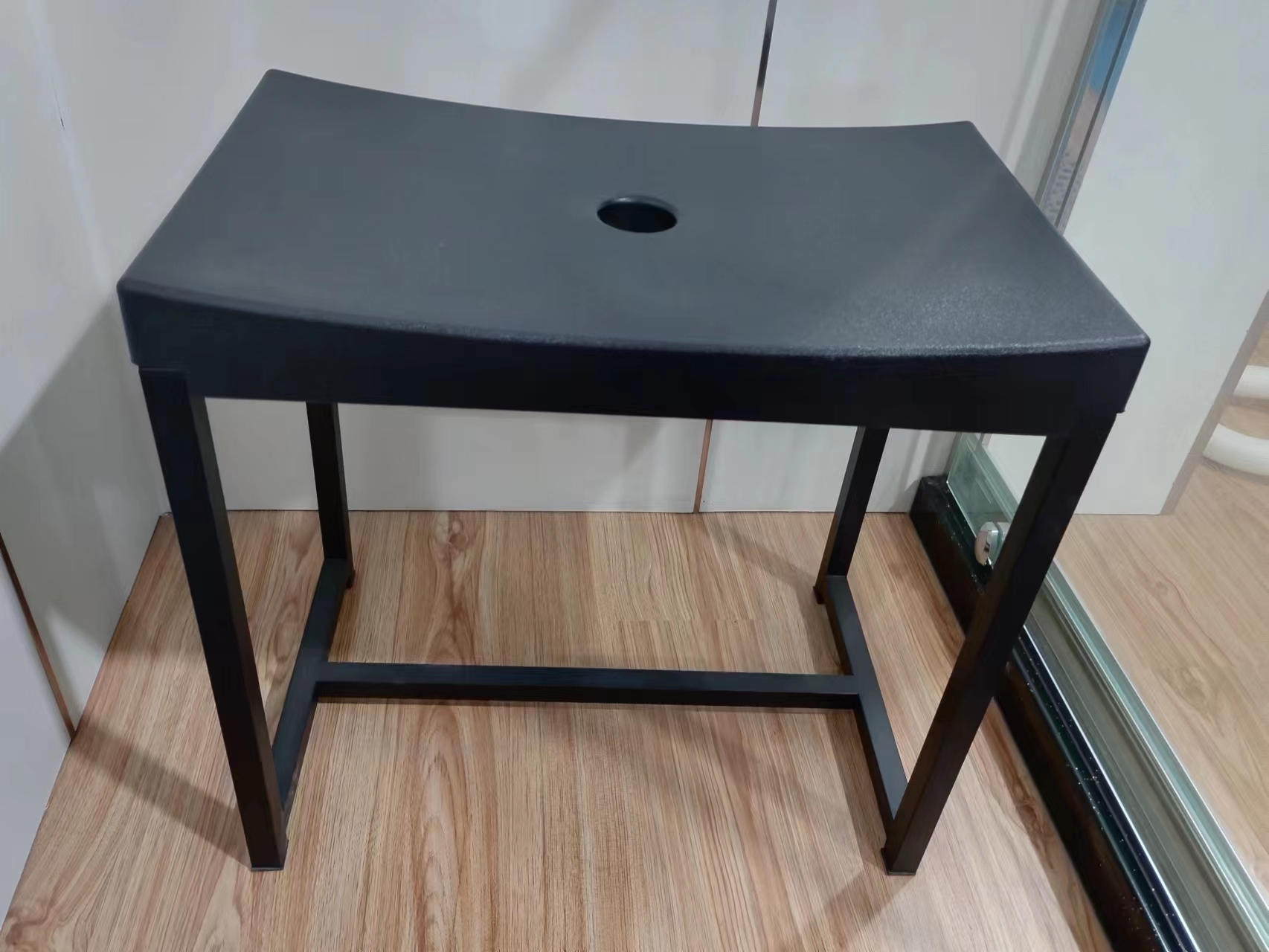
Long-term reliability is crucial in commercial supply chains. For instance, a US importer and distributor has collaborated with HTH for over ten years, sourcing thousands of safety shower seats annually. The distributor emphasizes that maintaining consistent 304 stainless steel structural integrity and PU material quality eliminates the need for on-site QC inspectors, even during high-demand retail seasons like Black Friday. This demonstrates the performance gap between certified 304 stainless steel structures and cheaper zinc alloy alternatives.
Data/Solution Comparison
| Feature | 304 Stainless Steel (304SUS) | Zinc Alloy |
|---|---|---|
| Primary Composition | Iron, 18% Chromium, 8% Nickel | Zinc, Aluminum, Copper, Magnesium |
| Density & Feel | ~7.93 g/cm³ (Heavy, Solid) | ~6.6 g/cm³ (Lighter, Hollower feel) |
| Rust Resistance | Excellent (Inherent rust-free properties) | Moderate (Relies entirely on plating) |
| SGS/CE Certification | Commonly certified for structural safety | Rarely certified for wet load-bearing |
| Failure Mechanism | Surface scratches do not affect rustproof performance | Scratches lead to plating peeling and blistering |
| Typical Bathroom Use | High-load grab bars, premium stools, brackets | Decorative trim, low-cost hooks, soap dishes |
Frequently Asked Questions (FAQ)
How can a chemical test kit help identify 304 stainless steel?
Applying a drop of stainless steel testing fluid (containing acid and copper sulfate) is the most reliable scientific method. On 304 stainless steel, the drop remains clear or changes color very slowly, whereas zinc alloy or lower-grade steels react instantly, turning dark red or black.
Can zinc alloy bathroom accessories be used in wet areas?
Zinc alloy can be used in dry zones of a bathroom for light decorative items. However, for high-moisture zones like shower enclosures, bathtubs, or heavy-duty safety seating, it is highly prone to oxidation, peeling, and structural failure once the electroplated layer wears off.
Why does some 304 stainless steel attract a magnet?
While raw 304 stainless steel is austenitic and non-magnetic, manufacturing processes like cold-rolling, bending, or stamping can alter its crystalline structure, introducing weak magnetic properties. This slight magnetism does not compromise its rust-free characteristics.
Final Conclusion & Recommendations
Choosing the correct material for humid sanitary environments protects investment and ensures user safety. While zinc alloy provides a lower upfront cost, 304 stainless steel delivers lifelong durability, rust resistance, and structural strength. When sourcing bathroom safety accessories, verifying certifications such as ISO9001, CE, SGS, REACH, and RoHS ensures material compliance. For commercial projects, adopting a manufacturing model with transparent pricing, comprehensive quality inspection, and structured shipping tracking ensures seamless logistics. For detailed technical solutions or support, please reach out to us via tongxin@tongxinyz.com.
About Us
Foshan City Heart to Heart Household Wares Manufacturer, established in 2002, specializes in the design, manufacture, and sale of high-quality PU products and bathroom safety accessories. Operating from a 5000 square meter factory, the manufacturer maintains a production capacity of 50,000 pieces per month to support international markets. The company holds ISO9001, CE, SGS, REACH, and RoHS certifications, ensuring compliance with global safety standards. Through twenty years of production experience, they have served diverse international brands and distributors with reliable, high-elasticity, and hydrolyze-resistant polyurethane and metal components.
SUBSCRIBE
INQUIRY