_b6EAeI0l.png "Banner")
PRODUCTS
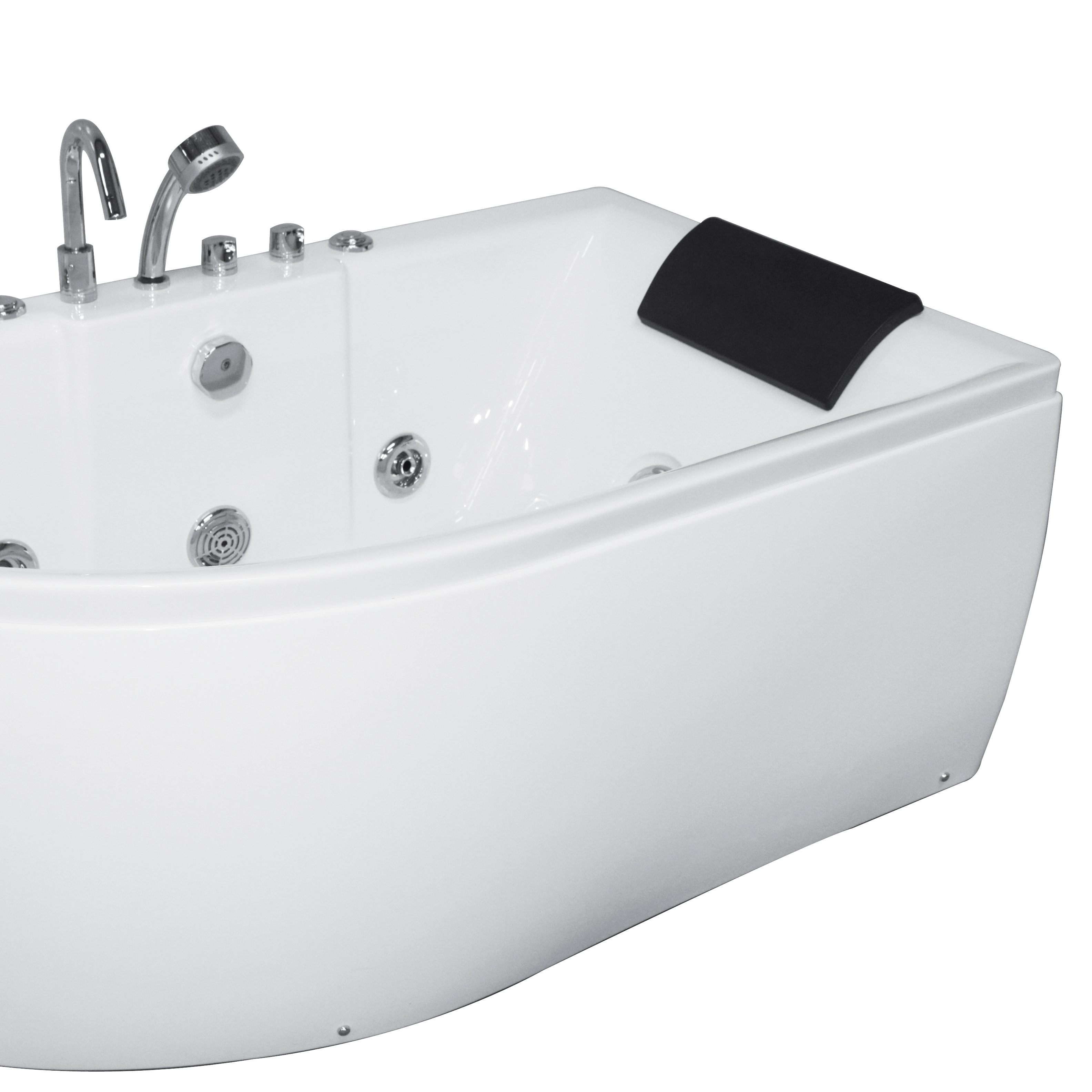
Manufacturer Direct Wholesale PU Waterproof Elastic Straightedge Convex-curved Bathtub Pillows SPA Massage Tub Headrest Backrest
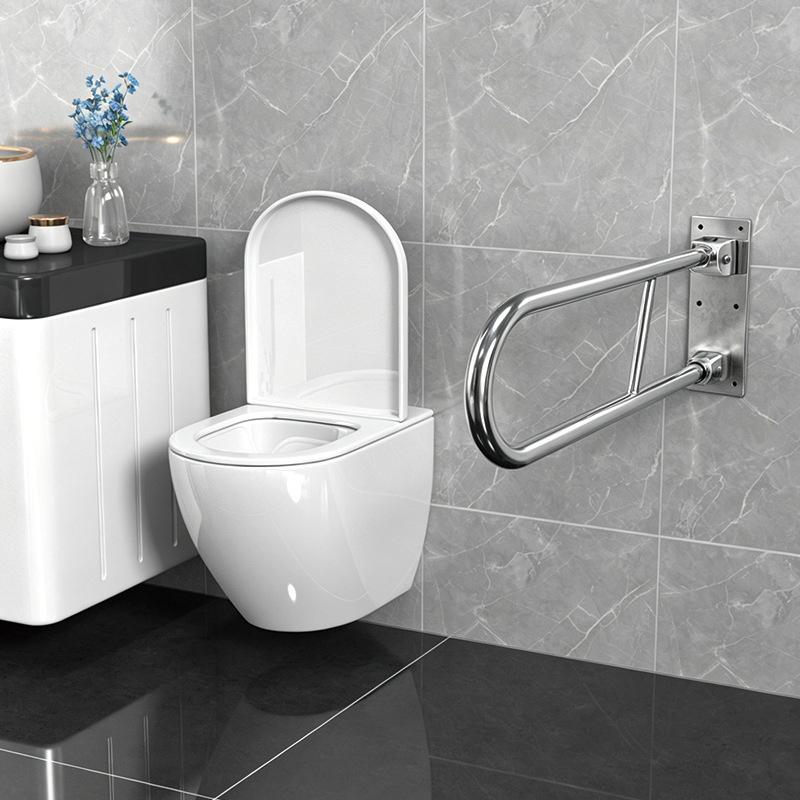
Wholesale Thickened Stainless Steel Modern Minimalist Bathroom Bathtub Non-Slip Handrail Elderly Safety Ergonomic Design
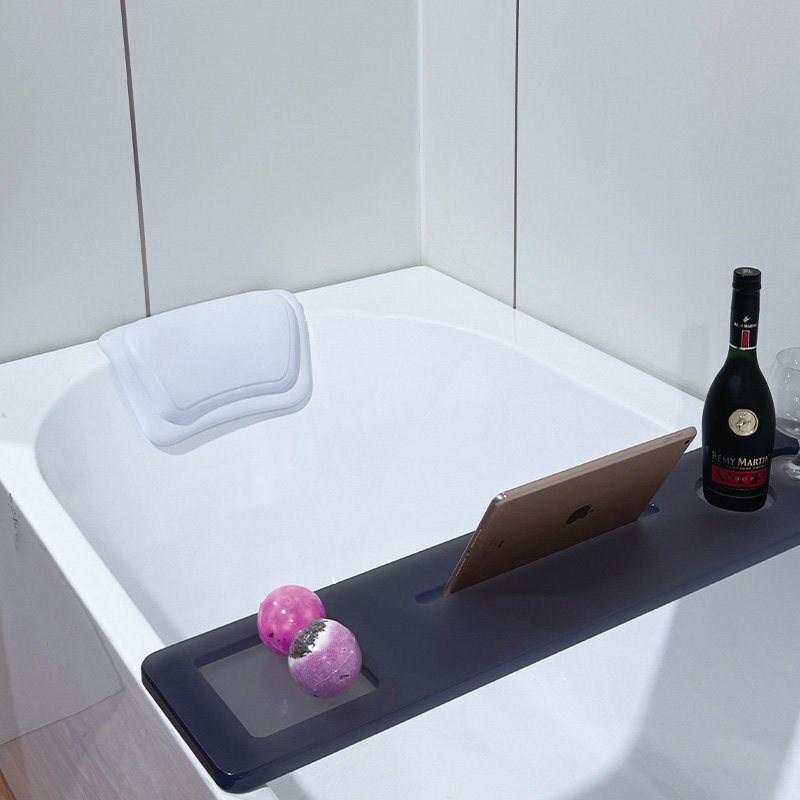
Installation-Free Home Bathroom High Elastic Neck Pillow Back Cushion Special Non-Slip Bathtub Bath Cushion Pillow
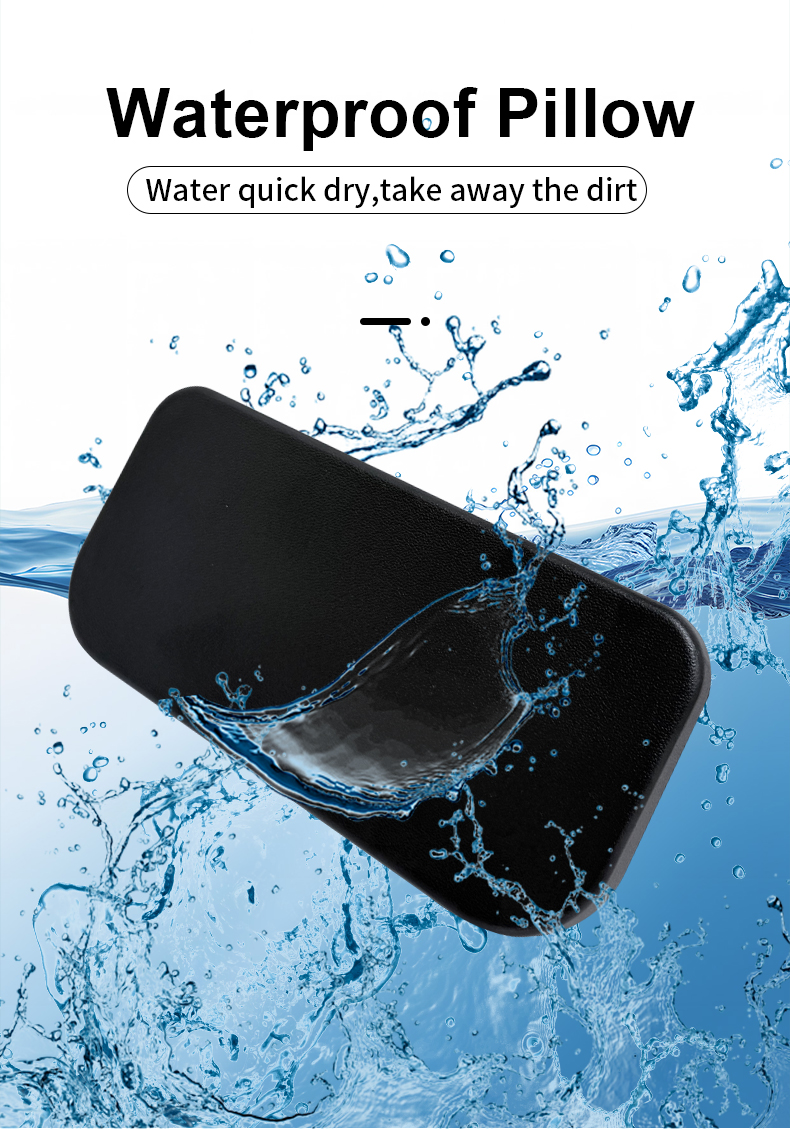
Direct From Manufacturer Polyurethane Waterproof Elastic Easy-to-clean Straight Edge Bathtub Pillow Freestanding Tub SPA Pillow
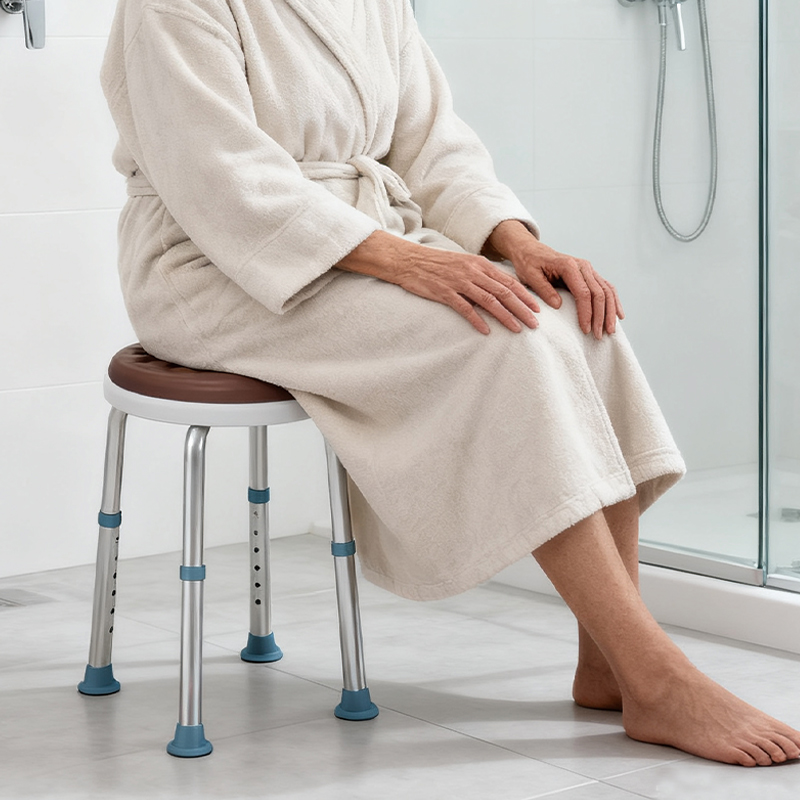
360° Swivel Elderly Bath Chair with Anti-Slip Base - Fixed Shower Bench
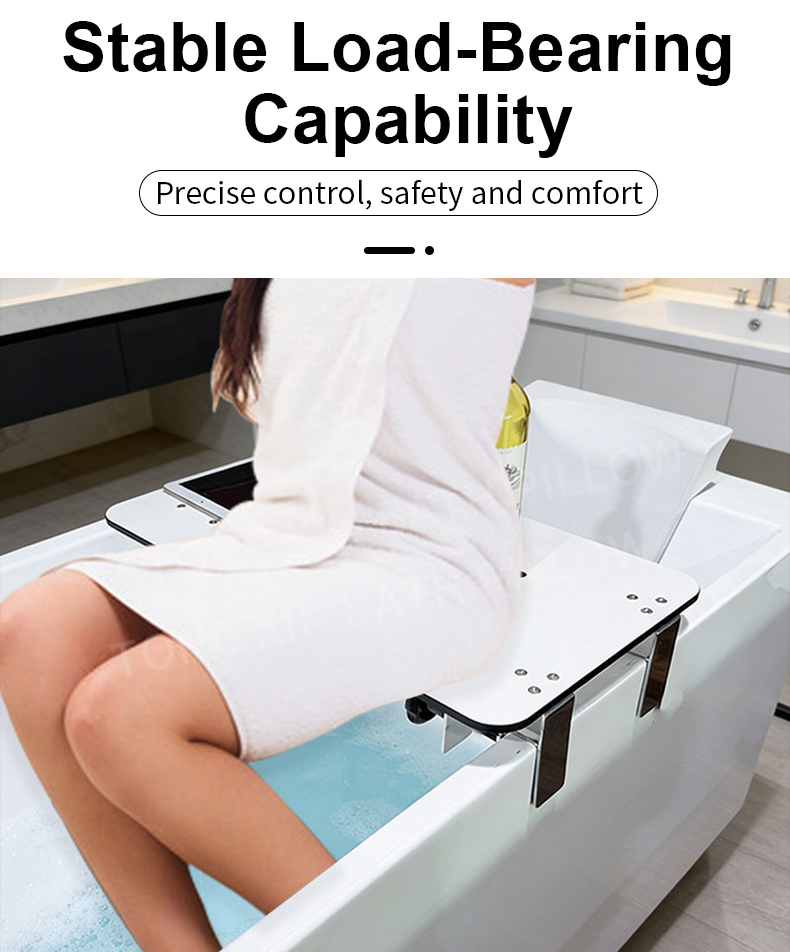
New Design Bathtub Folding Stool Waterproof & Moisture-Resistant 90-Degree Foldable Height-Adjustable Universal Bathtub Seat
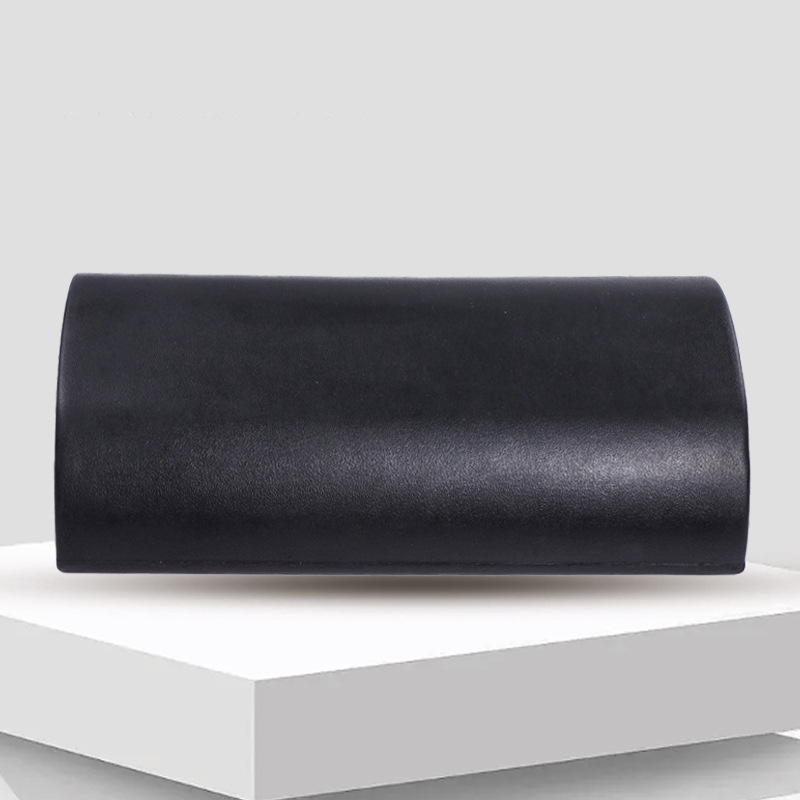
Modern Anti-Slip TX-23A Waterproof Hot Water Mat Safe and Stable for Bathroom or Hotel Use
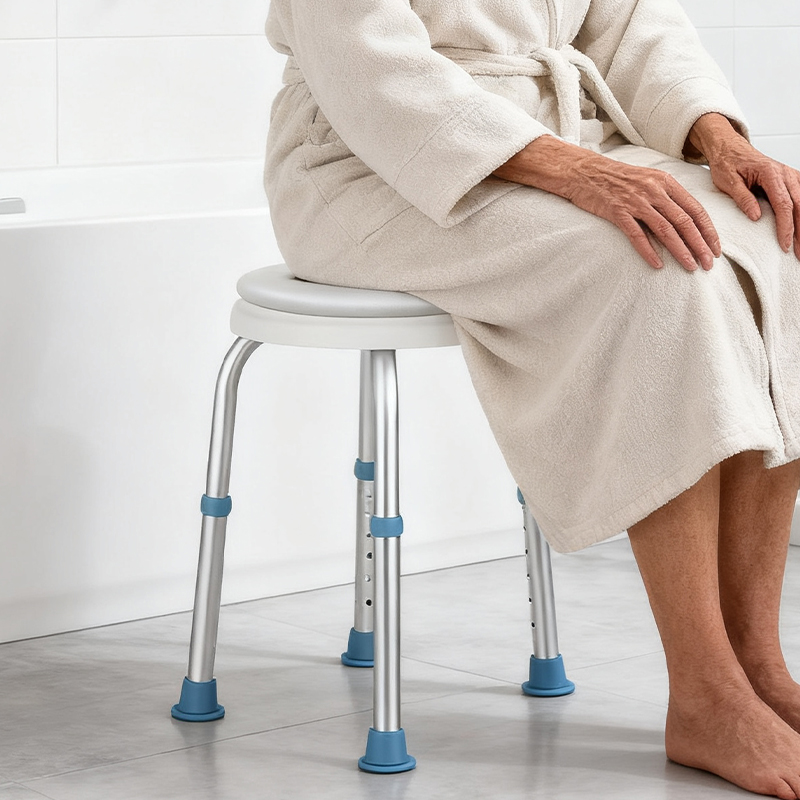
360 Degree Dual-Sided Rotating 6 Steps Height Adjustable Soft Cushion Waterproof Anti-Collision Lightweight Shower Stool Seat
How do I choose between 304 stainless steel and zinc alloy bathroom accessories for wet areas?
Choosing between 304 stainless steel and zinc alloy bathroom accessories for wet areas depends on budget and durability needs. 304 stainless steel offers superior corrosion resistance and longevity in highly humid environments, making it ideal for heavy wet areas. Zinc alloy is more cost-effective and allows for intricate designs but has lower moisture resistance over time. Alternatively, advanced polyurethane (PU) materials offer completely waterproof, slip-resistant, and cushioned alternatives for wet zones.
Core Solutions & Key Takeaways
- Material Longevity: 304 stainless steel resists rust and oxidation in high-humidity areas, outperforming zinc alloy under constant moisture exposure.
- Design and Budget: Zinc alloy allows complex, decorative shapes at a lower production cost but requires intact electroplating to prevent subsurface corrosion.
- Cushioned Alternatives: For contact-heavy wet zones like bathtubs, showers, and spas, self-skinning Polyurethane (PU) accessories provide waterproof, slip-resistant, and hydrolyze-resistant properties.
- Application Suitability: Match accessories to specific wet areas: use metal alloys for structural shelving, and PU foam products (like pillows, backrests, and grab bars) for seating and direct skin-contact wellness areas.
Detailed Architectural/Principle Analysis
304 stainless steel contains a high percentage of chromium and nickel, forming a self-healing passive oxide layer that prevents deep corrosion in wet settings. Zinc alloy relies entirely on its external electroplated coating (such as chrome or nickel plating). If this microscopic layer is scratched or suffers micro-cracks from thermal expansion, humidity penetrates the zinc base, causing rapid blistering, pitting, and structural failure.
In modern wet area design, particularly in spas, hotels, and home bathrooms, structural hardware is complemented by soft-touch components. Polyurethane (PU) has emerged as an industry-standard alternative to hard metals for direct-contact accessories. Specially formulated self-skinning PU features a dense protective outer layer integrated with a flexible foam core. This material is completely hydrolyze-resistant, cold and hot resistant, and wear-resistant.
For instance, the Model X12 polyurethane bathtub pillow represents this shift toward soft, resilient bathroom components, providing ergonomic support without the risk of corrosion.
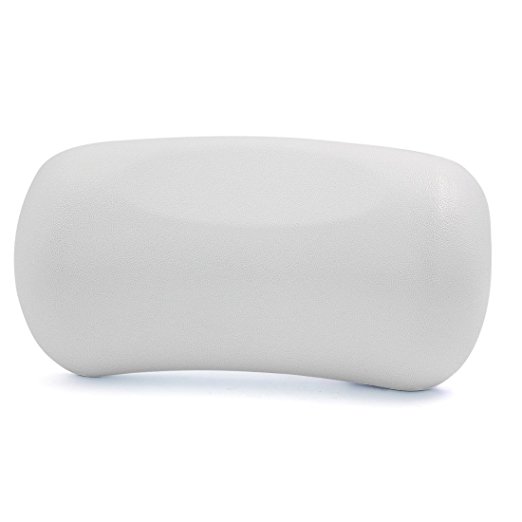
To verify safety and compliance in global markets, these PU accessories undergo stringent evaluations. Leading manufacturers secure global certifications such as CE (specifically for bathtub pillows), REACH, and RoHS, confirming that the polyurethane accessories remain stable under hot water exposure without releasing hazardous chemical substances.
Real-world procurement data confirms this material choice. A major US importer has partnered with domestic manufacturing facilities for over 10 years, securing thousands of shower seats and bathroom accessories annually. This long-term cooperation demonstrates that consistent quality control and risk-sharing material testing are critical when deploying accessories in commercial and residential wet zones.
Data/Solution Comparison
| Performance Metric | 304 Stainless Steel | Zinc Alloy | Polyurethane (PU) (e.g., Model X12) |
|---|---|---|---|
| Corrosion & Rust Resistance | Excellent (Self-healing oxide layer) | Moderate (Depends entirely on plating) | Outstanding (Hydrolyze & water resistant) |
| Tactile Comfort & Safety | Cold, hard surface | Cold, hard surface | Soft, high elasticity, slip-resistant |
| Common Wet Area Applications | Grab bars, shower baskets, hardware | Robes hooks, paper holders, soap dishes | Bathtub pillows, cushions, shower seats |
| Thermal Resistance | High | High | Cold and hot resistant (-20°C to hot water) |
| Certifications Required | Material Grade Verification | Salt Spray Testing | CE, REACH, RoHS, SGS |
Frequently Asked Questions (FAQ)
Q1: Why does zinc alloy fail faster than 304 stainless steel in steam showers?
Zinc alloy is highly susceptible to galvanic and atmospheric corrosion once its plated surface is compromised. In steam showers, high temperatures and constant moisture accelerate water vapor penetration through micro-cracks in the plating, leading to rapid degradation. 304 stainless steel contains chromium, which maintains a stable, self-regenerating barrier against steam.
Q2: Can polyurethane completely replace metal bathroom hardware?
Polyurethane cannot replace high-load structural hardware like heavy-duty mounting brackets or structural piping. However, for user-facing contact points—such as bathtub pillows, backrests, armrests, and shower seat surfaces—PU is superior because it provides soft, hydrolyze-resistant, slip-free support that metals cannot offer.
Q3: How do global standards regulate safety for wet-area accessories?
Bathroom accessories must comply with global environmental and safety standards. High-quality products carry ISO9001 quality management certification, alongside CE, REACH, and RoHS compliance certificates. These ensure that materials do not degrade, rust, or leach toxins when exposed to hot water and moisture over extended periods.
Final Conclusion & Recommendations
When choosing bathroom accessories for wet areas, utilize 304 stainless steel for robust structural installations and select high-grade polyurethane (PU) for cushions, seating, and ergonomic supports. Avoid zinc alloy in direct water-contact zones to prevent early plating failure. For commercial projects and high-volume distributions, sourcing factories that offer a complete design and production chain ensures quality consistency. Professional manufacturers support flexible business models, including low MOQs starting at 1 piece, monthly capacities of 25,000 to 50,000 pieces, and secure cross-border payment structures like TT advance and Alipay. Standardized shipping options such as FBA sea, air, and land freight ensure traceable, punctual delivery to global markets. For detailed technical solutions or support, please reach out to us via tongxin@tongxinyz.com.
About Us
The company Foshan City Heart to Heart Household Wares Manufacturer is specialized in designing, manufacturing, and selling high-quality polyurethane (PU) products, including bathtub pillows, backrests, cushions, armrests, and shower chairs. Founded in 2002, the enterprise operates a 5000 square meter factory with a dedicated team of 30-50 employees. With over 20 years of experience and approximately 1000 product models, the company exports 80% of its production to America, Europe, the Middle East, and East Asia, serving major sanitary brands like Roca, Kohler, Toto, and Jacuzzi. All products meet rigorous quality standards, backed by certifications such as ISO9001, CE, SGS, REACH, and RoHS.
SUBSCRIBE
INQUIRY