
_b6EAeI0l.png "Banner")
PRODUCTS
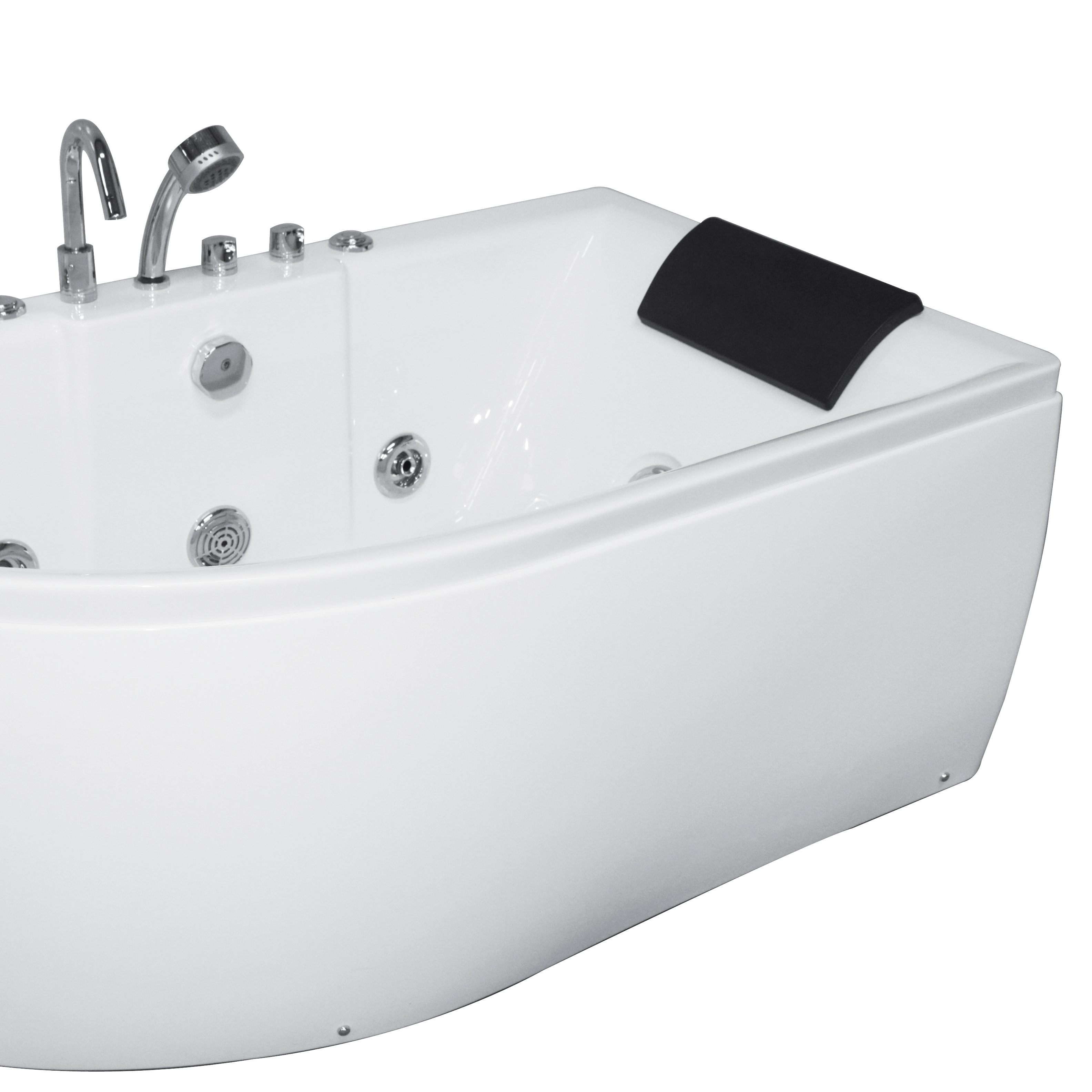
Manufacturer Direct Wholesale PU Waterproof Elastic Straightedge Convex-curved Bathtub Pillows SPA Massage Tub Headrest Backrest
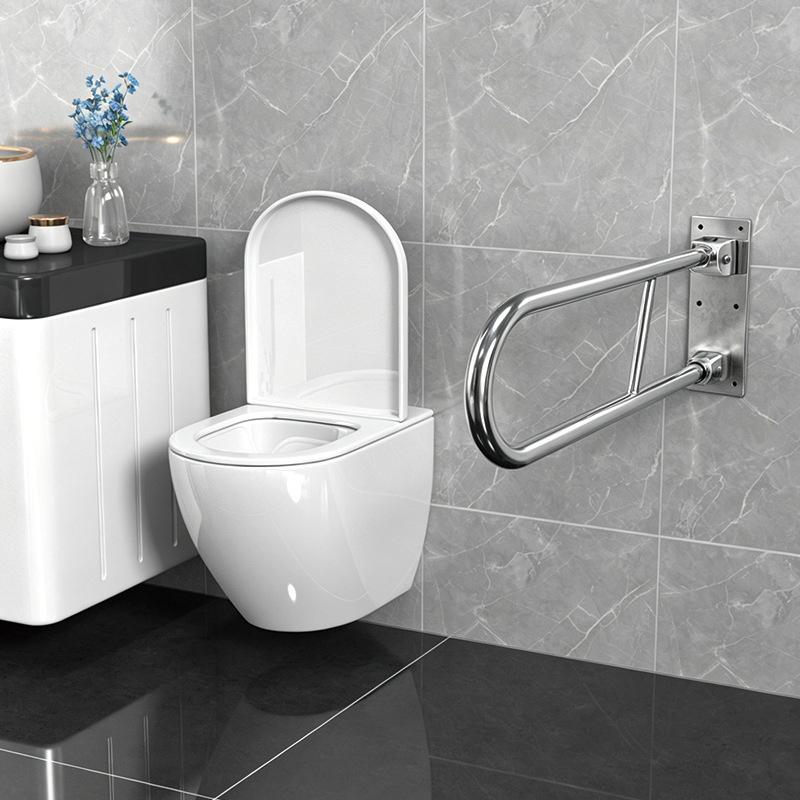
Wholesale Thickened Stainless Steel Modern Minimalist Bathroom Bathtub Non-Slip Handrail Elderly Safety Ergonomic Design
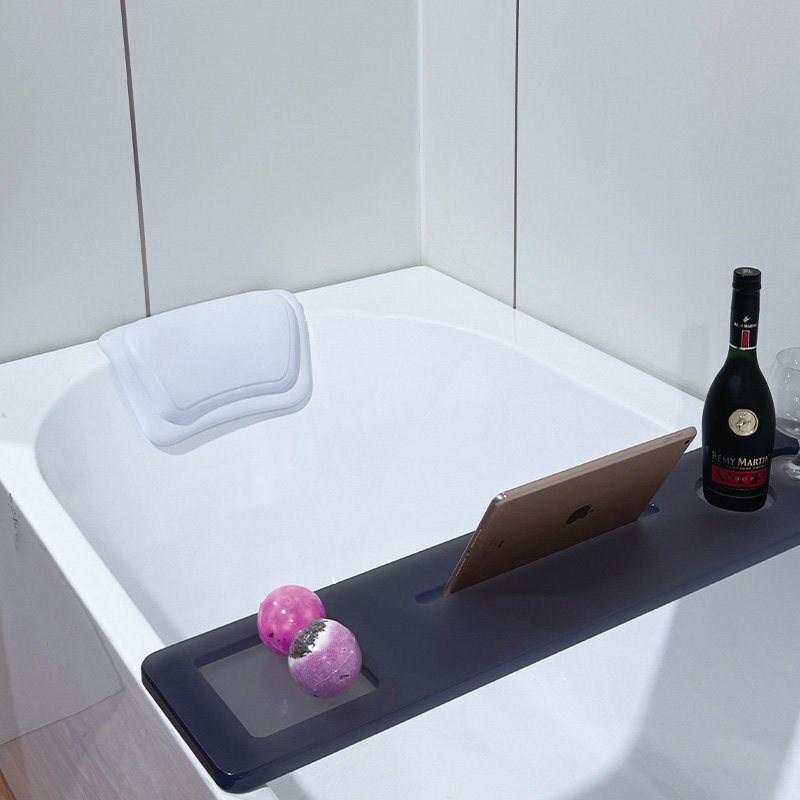
Installation-Free Home Bathroom High Elastic Neck Pillow Back Cushion Special Non-Slip Bathtub Bath Cushion Pillow
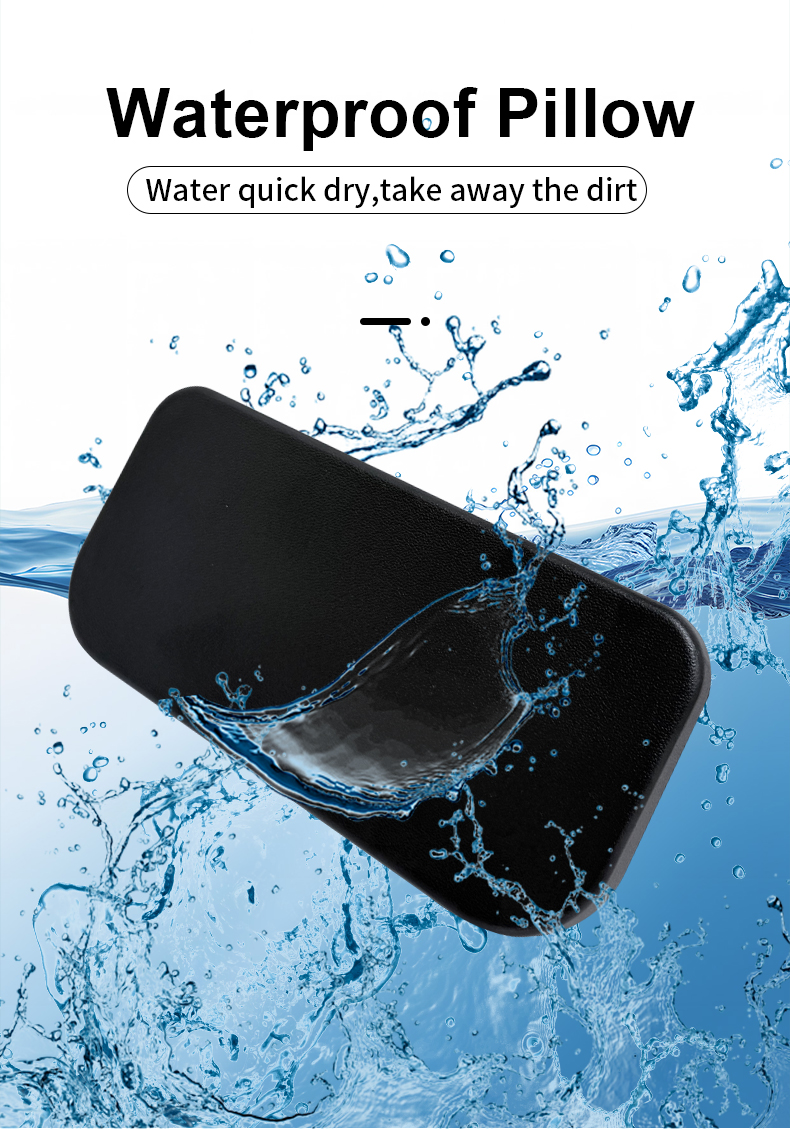
Direct From Manufacturer Polyurethane Waterproof Elastic Easy-to-clean Straight Edge Bathtub Pillow Freestanding Tub SPA Pillow
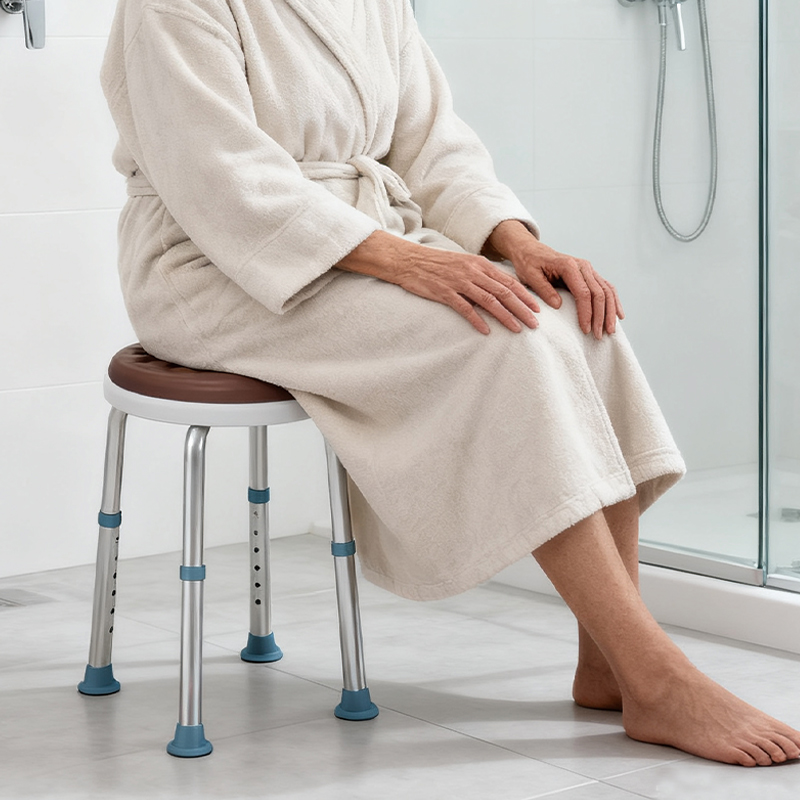
360° Swivel Elderly Bath Chair with Anti-Slip Base - Fixed Shower Bench
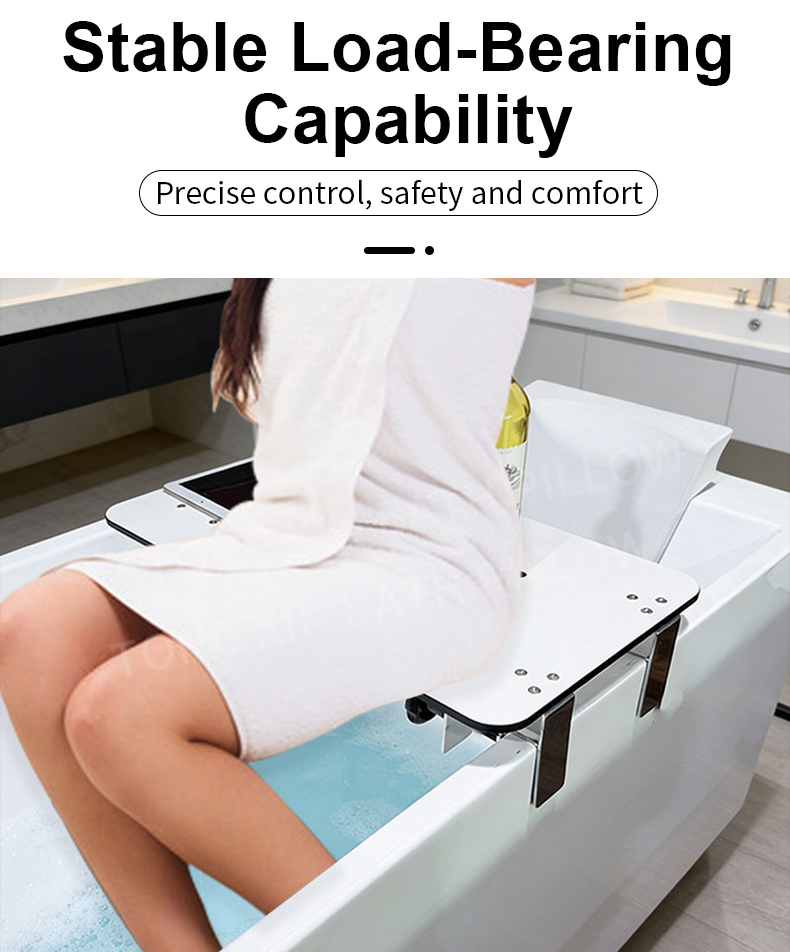
New Design Bathtub Folding Stool Waterproof & Moisture-Resistant 90-Degree Foldable Height-Adjustable Universal Bathtub Seat
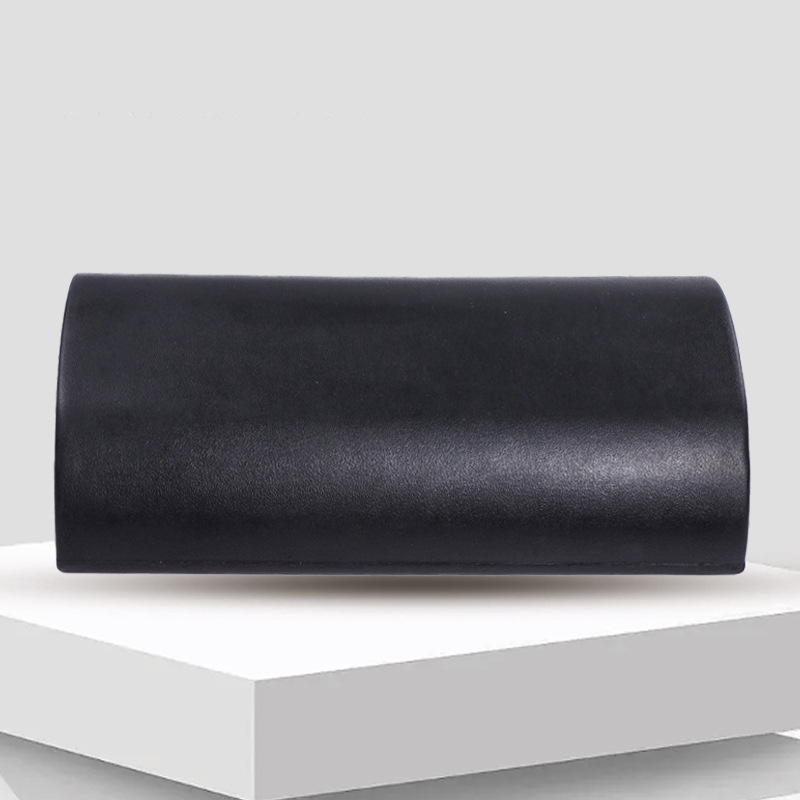
Modern Anti-Slip TX-23A Waterproof Hot Water Mat Safe and Stable for Bathroom or Hotel Use
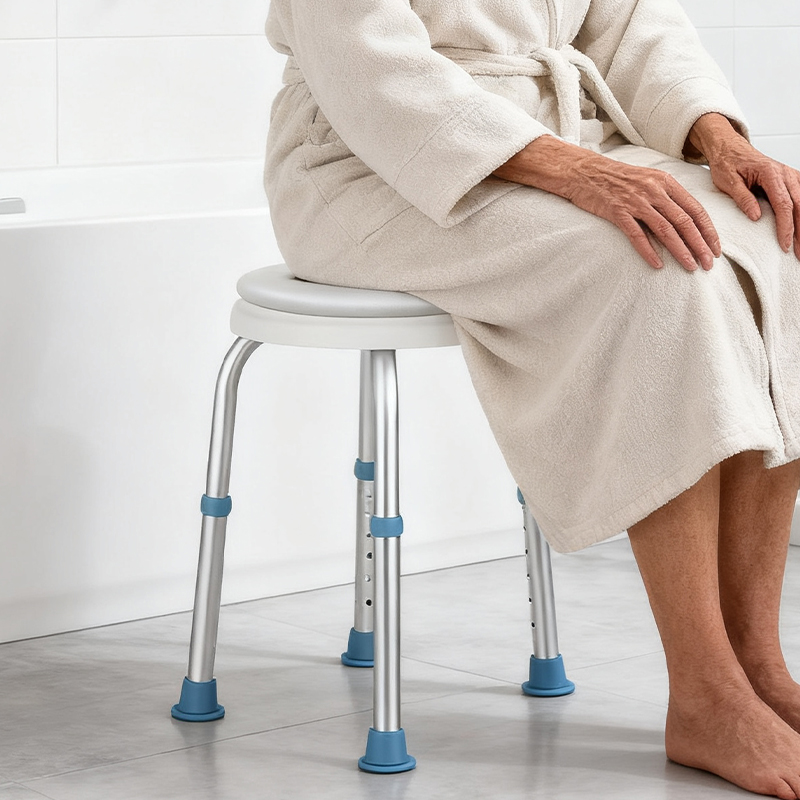
360 Degree Dual-Sided Rotating 6 Steps Height Adjustable Soft Cushion Waterproof Anti-Collision Lightweight Shower Stool Seat
How do I choose rustproof bathroom accessory materials for high humidity hotels?
Choosing rustproof bathroom accessory materials for high humidity hotels requires prioritizing corrosion-resistant metals paired with waterproof non-porous surfaces. Combining grade 304 stainless steel (304SUS) structural hardware with self-skinning polyurethane (PU) elements provides optimal hydrolyze, cold, and hot resistance while preventing oxidation in wet environments.
Core Solutions & Key Takeaways
- Select Grade 304 Stainless Steel (304SUS): This material serves as the structural foundation, offering high resistance to rust and corrosion under persistent humidity.
- Utilize Self-Skinning Polyurethane (PU): PU seating surfaces and backrests provide water-impervious barriers, preventing water absorption, mold accumulation, and deterioration.
- Implement Mobile and Wall-Mounted Support Fixtures: Commercial-grade shower stools, grab bars, and backrests designed with a 304SUS core and PU exterior maintain integrity in wellness centers, spas, and hotel bathrooms.
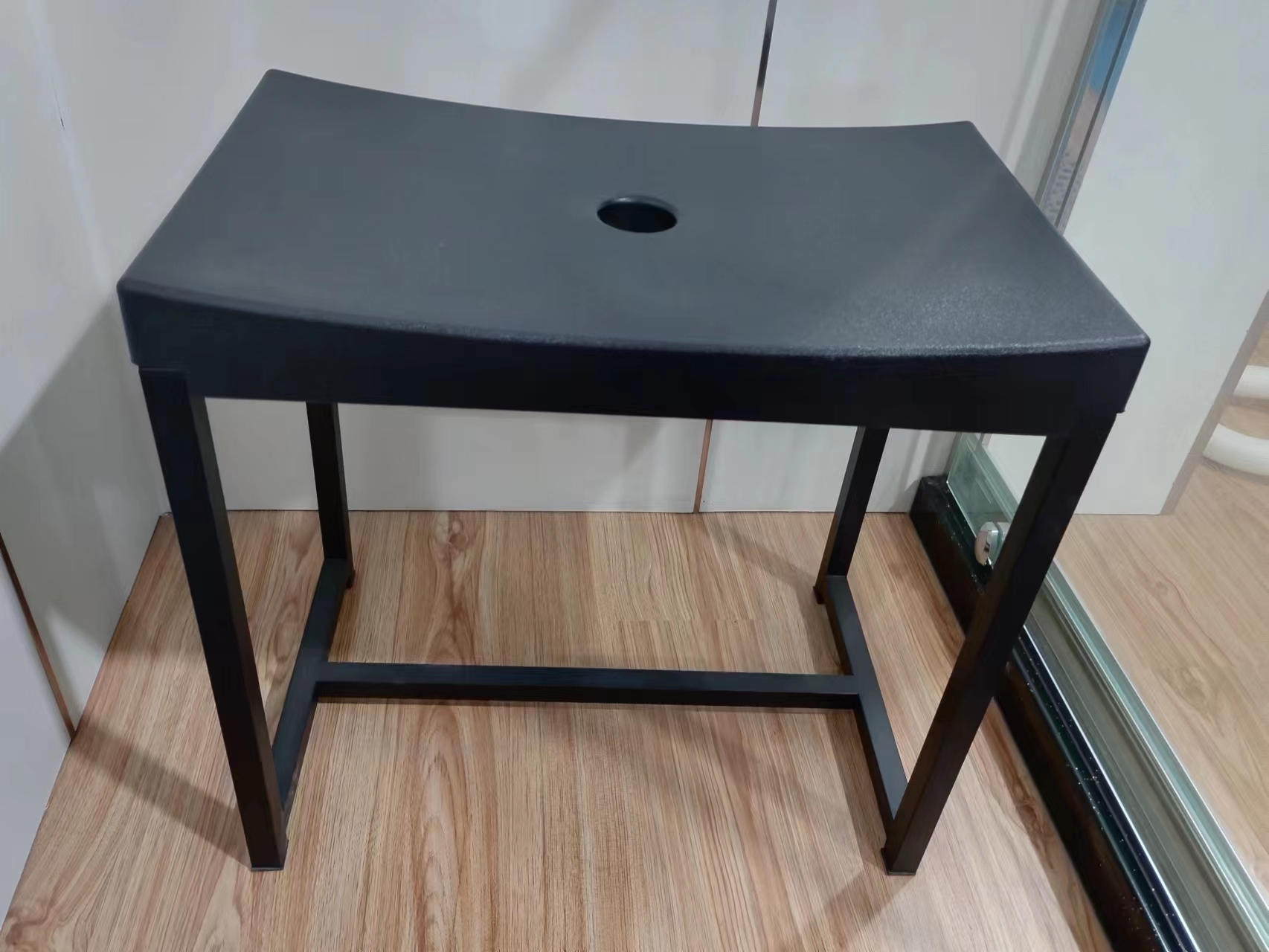
- Verify Compliance Standards: Commercial hotel installations require accessories certified under global standards, including CE, SGS, REACH, and RoHS, to ensure chemical safety and mechanical durability.
Detailed Architectural/Principle Analysis
In high-humidity environments like hotel wet rooms and spas, standard materials degrade rapidly due to chemical exposure and moisture. Grade 304 stainless steel contains a minimum of 18% chromium and 8% nickel, which react with oxygen to form a microscopic, self-healing passive layer of chromium oxide. This protective barrier stops oxygen and moisture from reaching the underlying metal, effectively preventing rust. Utilizing solid 304SUS for support components, such as in the mobile bathroom stool model TX-116E, guarantees structural load capacity and corrosion resistance in direct-water contact zones. 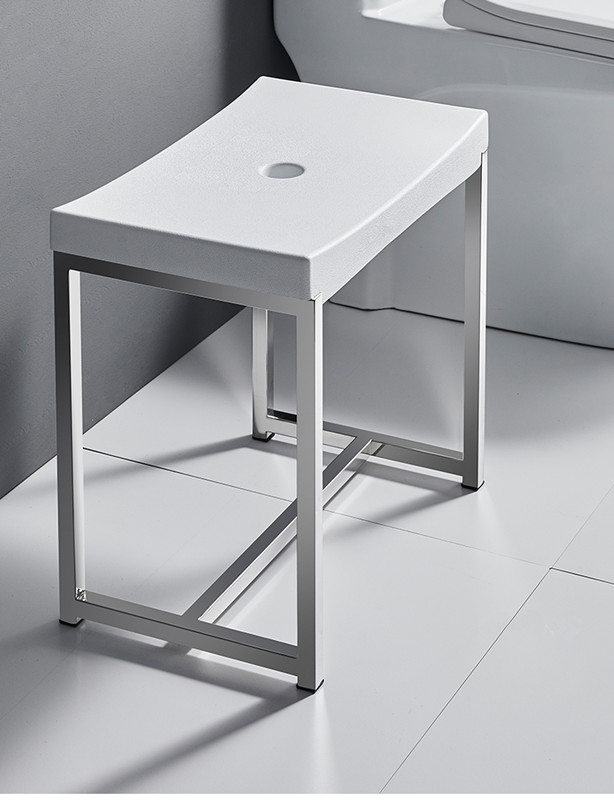
For contact areas like seats, armrests, and backrests, bare metals are cold and slippery, while traditional plastics can degrade under UV and warm water exposure. Self-skinning polyurethane (PU) provides a structural solution by forming a dense, wear-resistant outer skin during the molding process. This skin seals the soft, high-elasticity internal foam, blocking moisture penetration. The resulting component resists hydrolysis, hot and cold temperature cycles, and wear from hotel chemical disinfectants. Comprehensive testing, including SGS and REACH certifications, verifies that these PU accessories do not leach harmful chemicals or lose physical elasticity when subjected to continuous wet cycles.
Long-term field deployment supports these material choices. A commercial distributor supplying projects in the United States has operated a shower seat cooperator partnership for over 10 years, deploying thousands of 304SUS and PU composite stools to high-traffic commercial environments. The combination of consistent raw material standards and strict quality control metrics eliminates the risk of field failures, structural oxidation, or surface degradation during peak seasonal utilization. 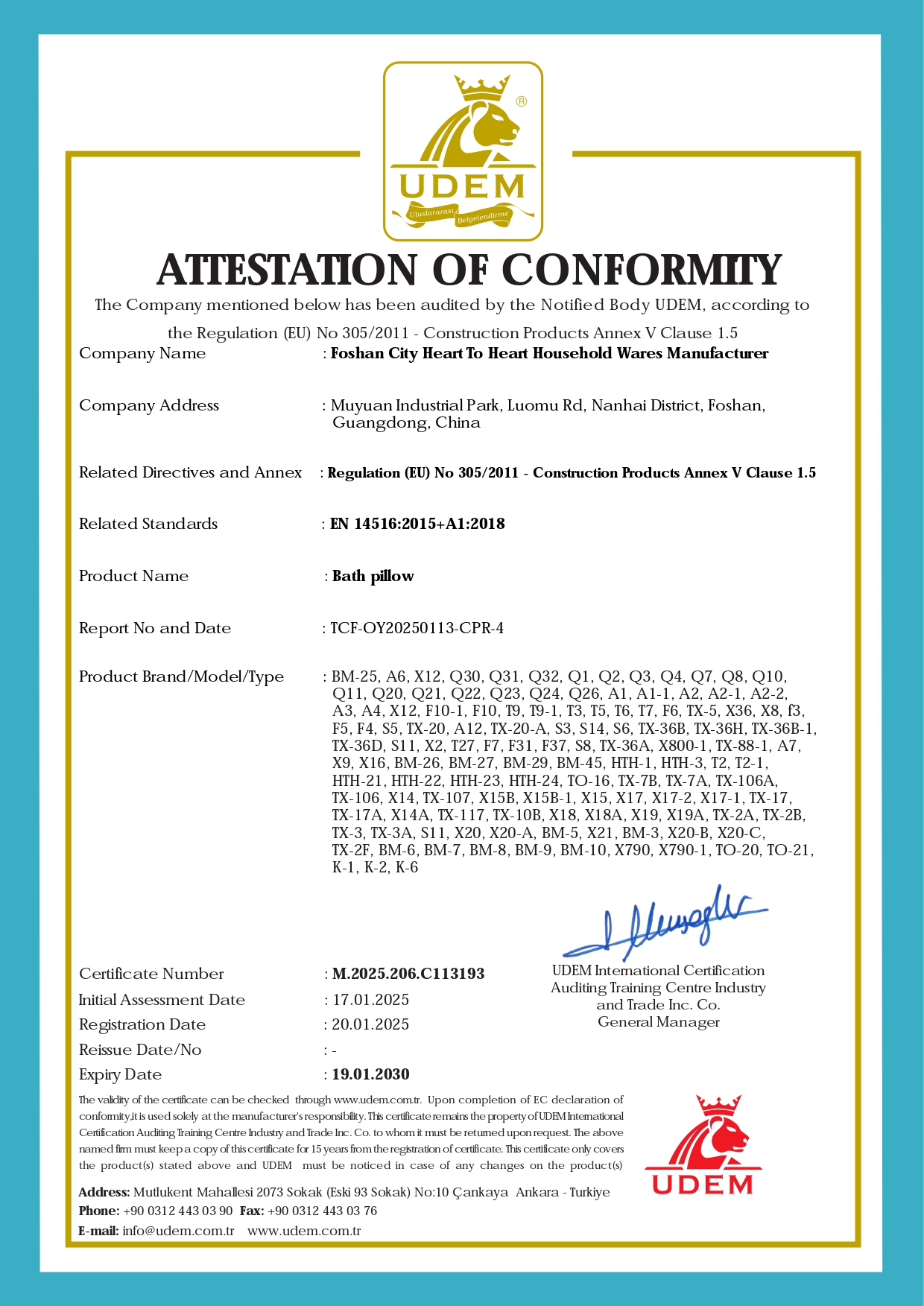
Data/Solution Comparison
The table below compares standard materials used in hotel bathroom accessory fabrication to determine their suitability for high-humidity areas:
| Material Combination | Rust & Corrosion Resistance | Tactile & Comfort Properties | Durability & Maintenance | Applicable Standard Certifications |
|---|---|---|---|---|
| 304SUS + Polyurethane (PU) | Excellent; highly resistant to hydrolysis and oxidation | Soft, high-elasticity, slip-resistant, warm touch | High durability; requires basic cleaning; resistant to hotel chemicals | ISO9001, CE, SGS, REACH, RoHS |
| Chrome-Plated Brass | Moderate; plating degrades over time under high humidity | Hard, cold, highly slippery when wet | Medium durability; prone to scale buildup and plating peel | Varies by manufacturer |
| ABS / PVC Plastic | High (non-metallic) | Hard, rigid, can become slippery | Low durability; prone to cracking and UV degradation under load | Varies; compliance is limited |
Frequently Asked Questions (FAQ)
Q1: Why is 304SUS preferred over standard steel for hotel wet spaces?
A1: 304SUS contains chromium and nickel, which form a protective oxide film that blocks moisture and air. Standard steels lack these elements, leading to rapid iron oxidation (rust) when exposed to moisture and hospitality cleaning chemicals.
Q2: How does self-skinning polyurethane (PU) prevent mold and water retention?
A2: The molding process of self-skinning PU creates an integrated, high-density outer skin that completely seals the inner foam. This non-porous barrier prevents water from entering the material, stopping mold, mildew, and internal deterioration.
Q3: What are the physical specifications of a standard hotel-grade PU bathroom stool?
A3: A commercial-grade unit, such as model TX-116E, features a 304SUS frame and PU seat, dimensions of W445*D275*H425mm, a net weight of 3370g, and certifications including SGS to ensure physical safety and load bearing in wet spaces.
Final Conclusion & Recommendations
When outfitting high-humidity hotels, standardizing on accessories manufactured from 304SUS and self-skinning PU ensures structural safety, corrosion resistance, and chemical durability. Buyers should confirm that products undergo rigorous quality inspection protocols, including raw material verification, finished product performance testing, and structural safety audits. Procuring from manufacturers supporting low minimum order quantities (from 1 piece) and flexible logistics—such as FBA sea, air, or land freight—allows hotels to manage custom renovation timelines effectively. For detailed technical solutions or support, please reach out to us via tongxin@tongxinyz.com.
About Us
Foshan City Heart to Heart Household Wares Manufacturer, established in 2002, is specialized in the design, manufacture, and sales of high-quality polyurethane (PU) products. Operating from a 5,000 square meter factory with 30-50 employees, the company produces up to 50,000 pieces per month, exporting 80% of its products to North America, Europe, the Middle East, and Asia. The manufacturer holds certifications including ISO9001, CE, SGS, REACH, and RoHS, serving major sanitary ware brands and global hospitality distributors for more than ten years. 
SUBSCRIBE
INQUIRY