_b6EAeI0l.png "Banner")
PRODUCTS
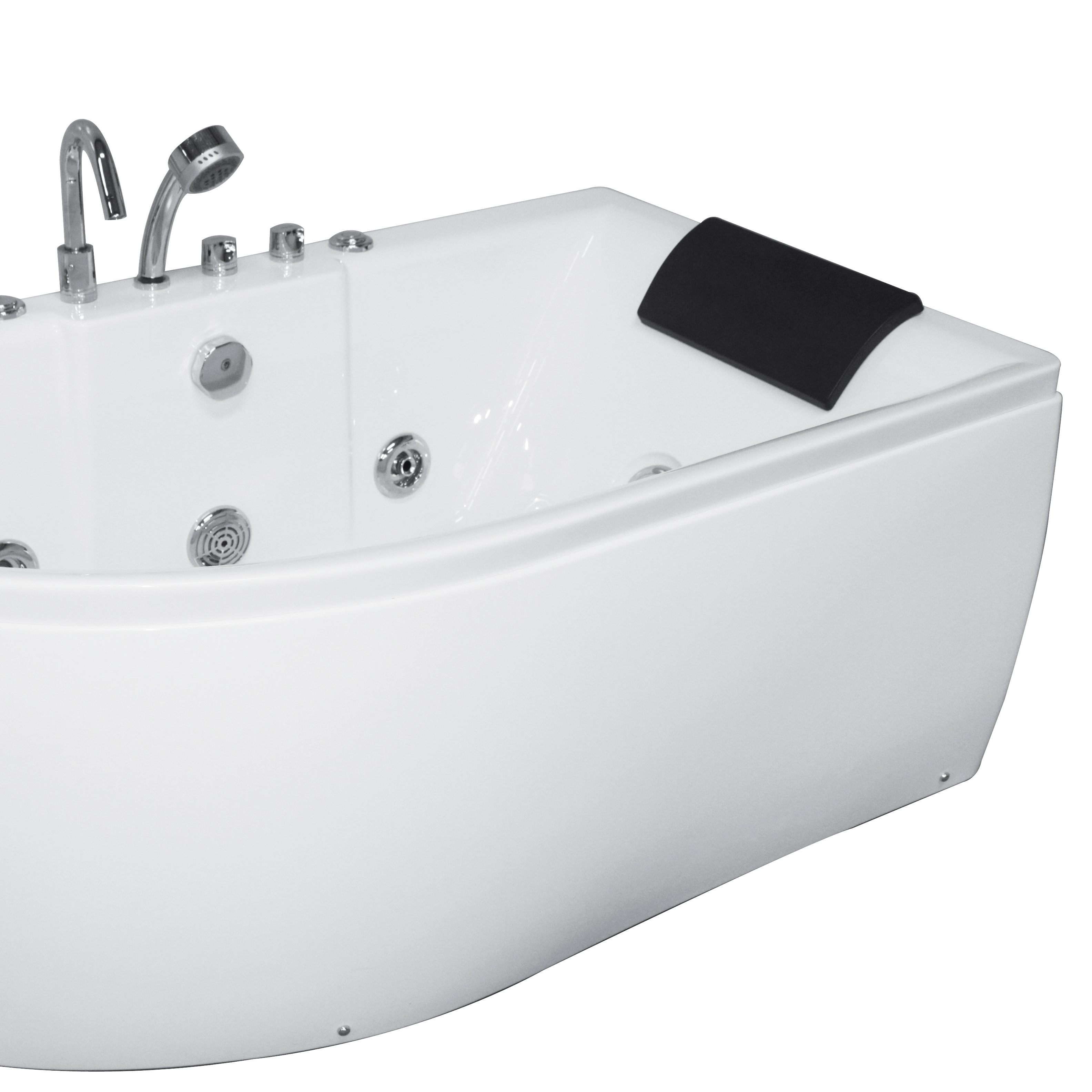
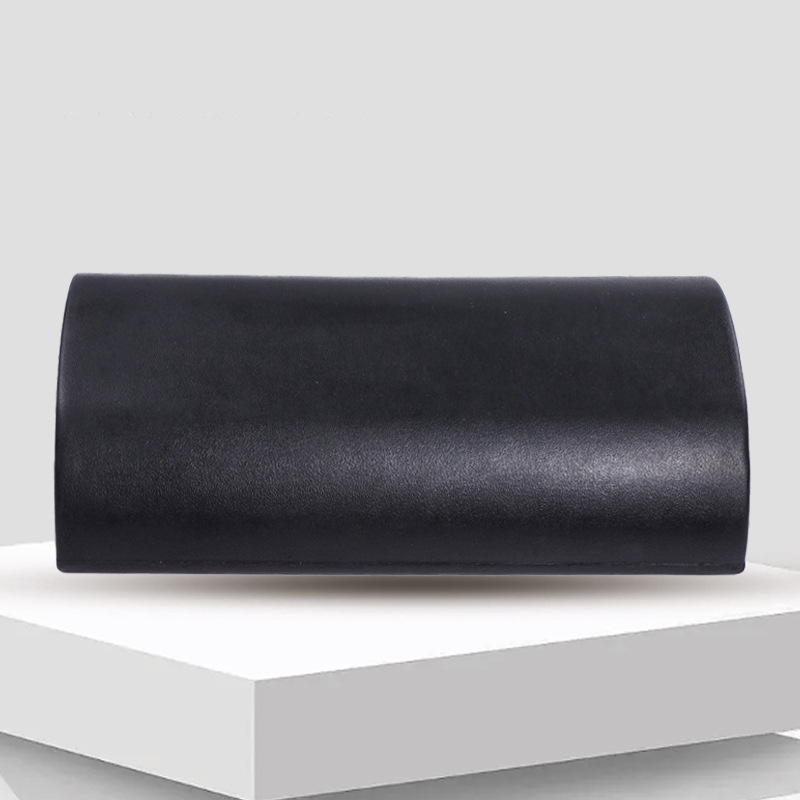
Manufacturer Direct Wholesale PU Waterproof Elastic Straightedge Convex-curved Bathtub Pillows SPA Massage Tub Headrest Backrest
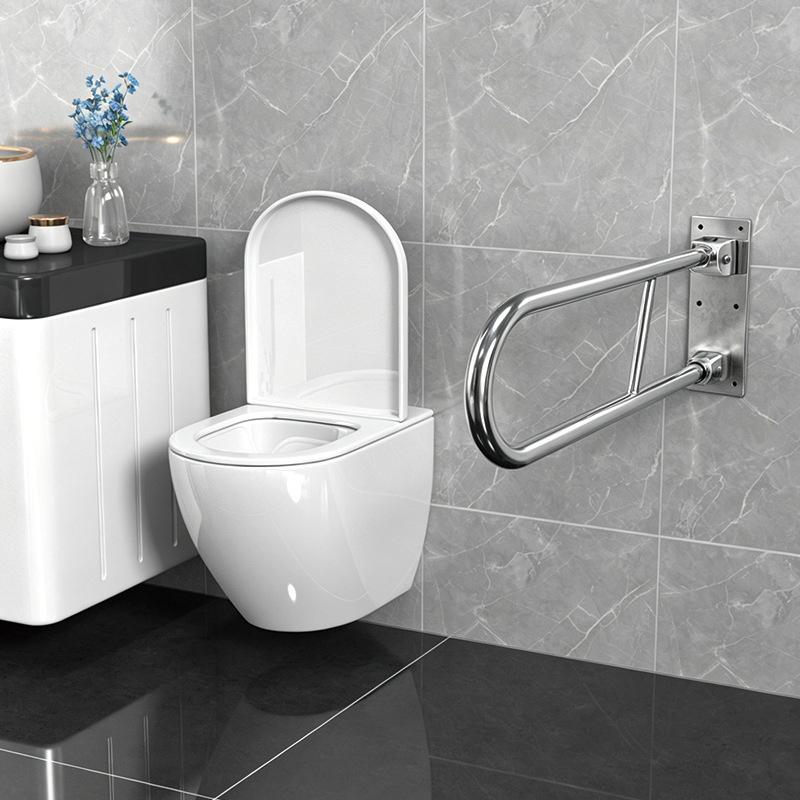
Wholesale Thickened Stainless Steel Modern Minimalist Bathroom Bathtub Non-Slip Handrail Elderly Safety Ergonomic Design
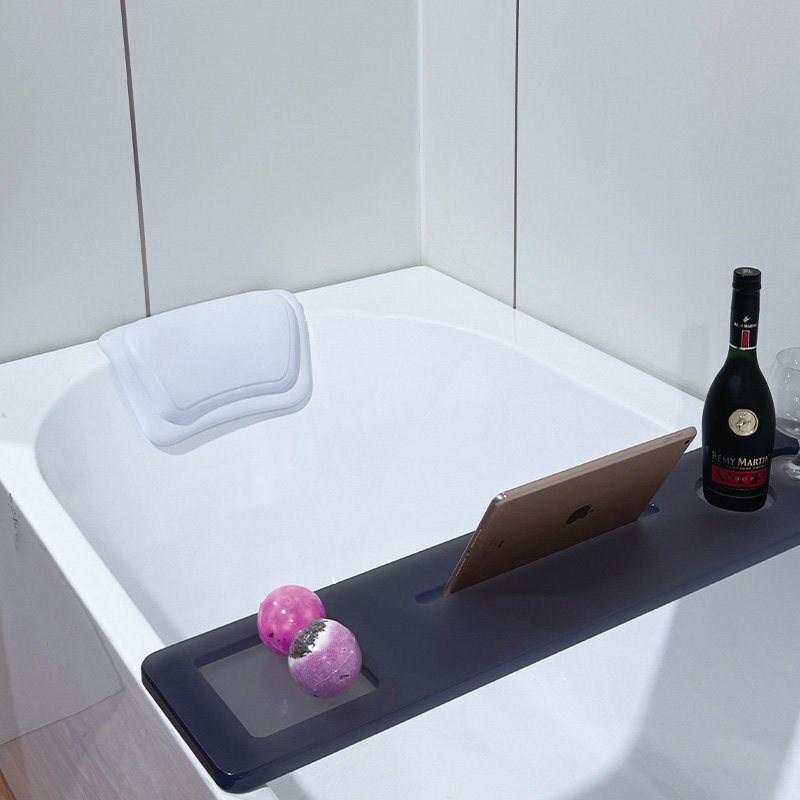
Installation-Free Home Bathroom High Elastic Neck Pillow Back Cushion Special Non-Slip Bathtub Bath Cushion Pillow
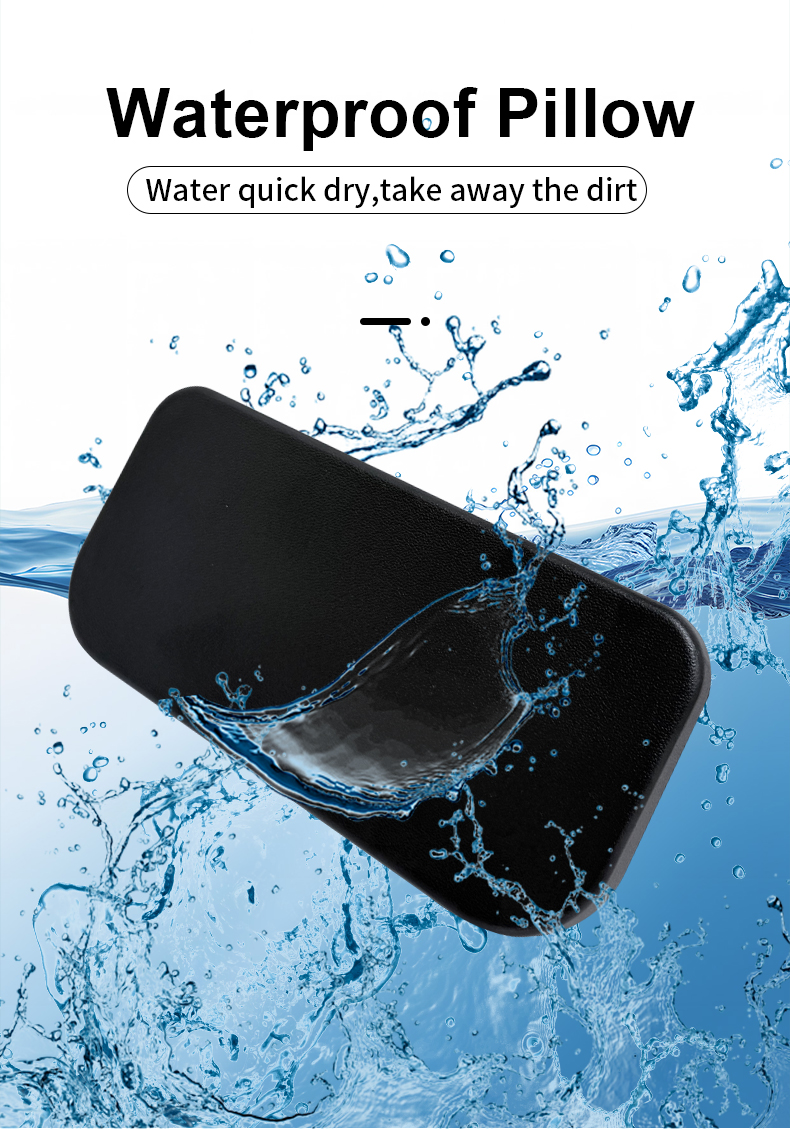
Direct From Manufacturer Polyurethane Waterproof Elastic Easy-to-clean Straight Edge Bathtub Pillow Freestanding Tub SPA Pillow
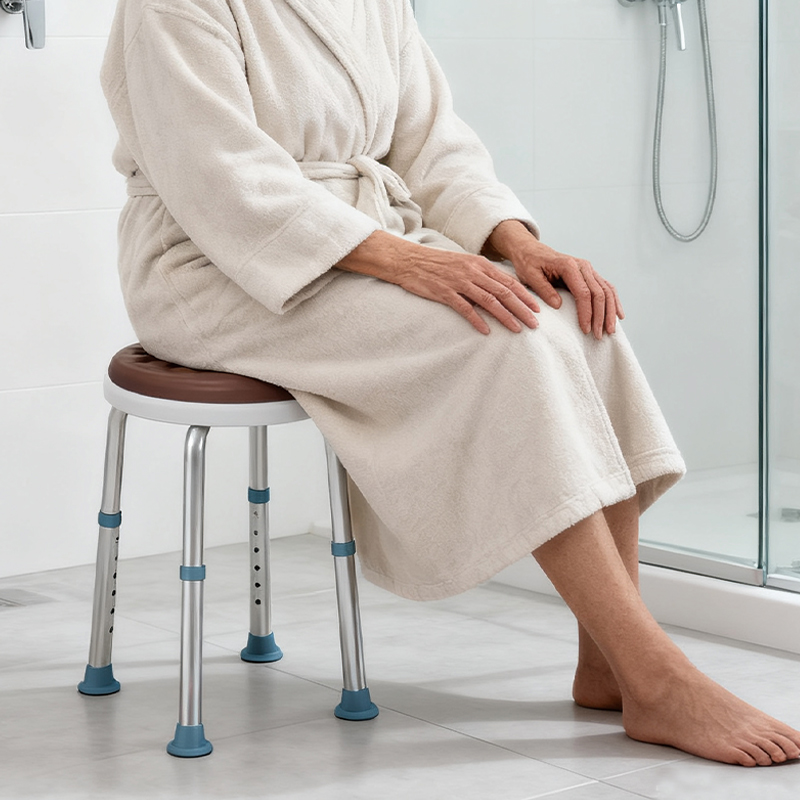
360° Swivel Elderly Bath Chair with Anti-Slip Base - Fixed Shower Bench
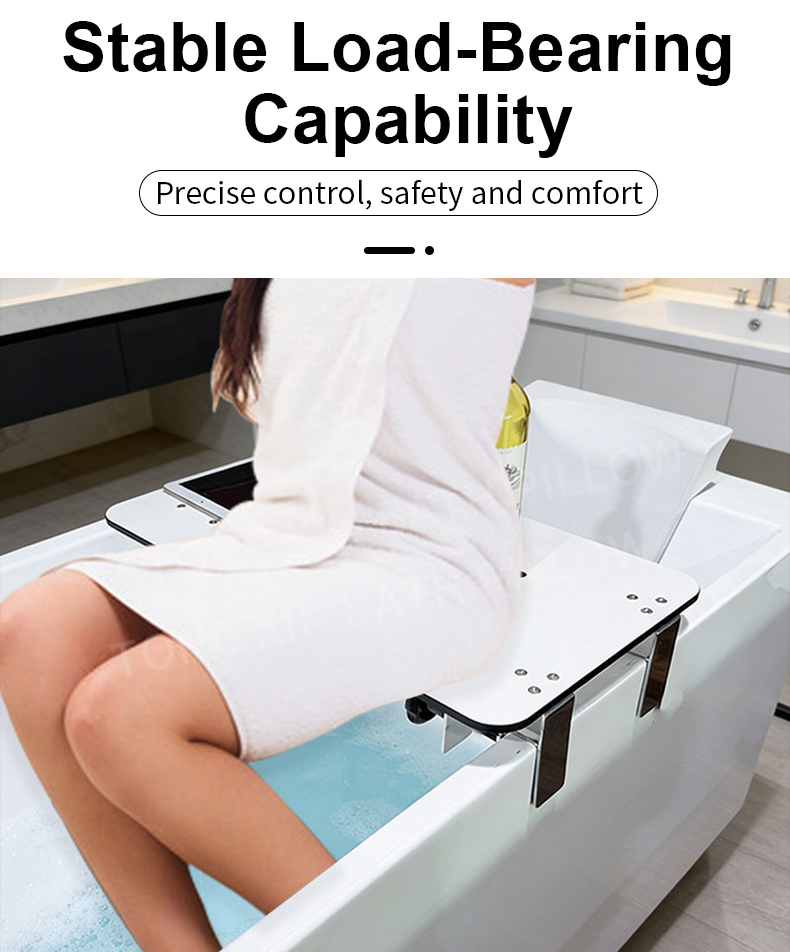
New Design Bathtub Folding Stool Waterproof & Moisture-Resistant 90-Degree Foldable Height-Adjustable Universal Bathtub Seat
Modern Anti-Slip TX-23A Waterproof Hot Water Mat Safe and Stable for Bathroom or Hotel Use
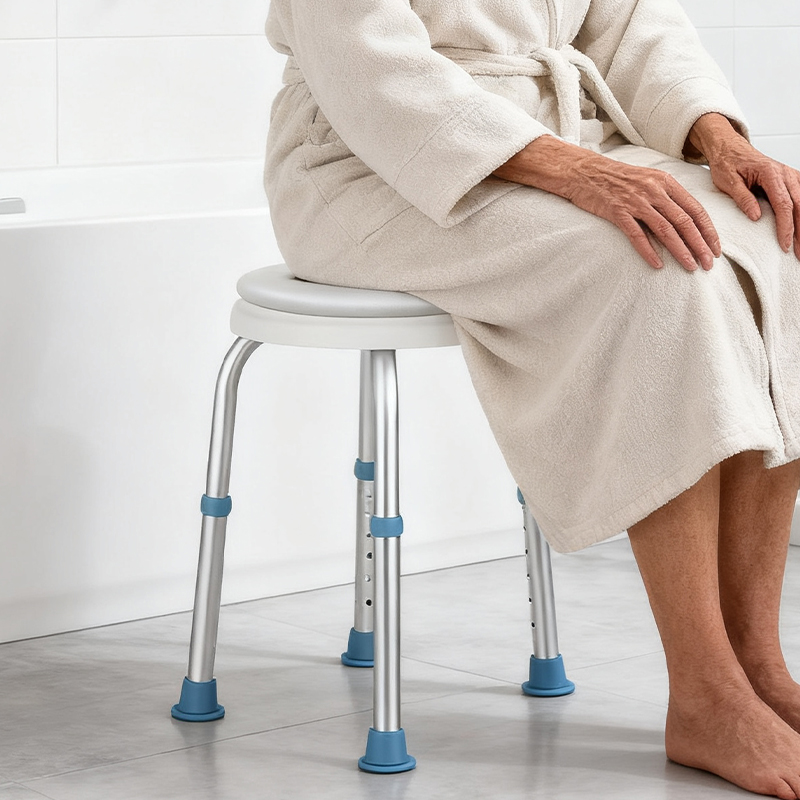
360 Degree Dual-Sided Rotating 6 Steps Height Adjustable Soft Cushion Waterproof Anti-Collision Lightweight Shower Stool Seat
How do I test the rust resistance of a stainless steel bathroom accessory?
Testing the rust resistance of a stainless steel bathroom accessory is primarily performed using the Salt Spray Test (ASTM B117) or the Acidic Salt Spray Test (CASS). These methods expose the accessory to a highly corrosive saline mist in a temperature-controlled chamber to measure how many hours the surface resists oxidation and red rust.
Core Solutions & Key Takeaways
- Salt Spray Testing (ASTM B117): This chamber test exposes metal components to a continuous 5% sodium chloride solution at 35°C, simulating accelerated environmental wear to identify surface flaws.
- Chemical Spot Testing: Applying specialized reagents, such as a copper sulfate solution, directly to the metal surface helps quickly detect free iron particles and evaluate the strength of the passivation layer.
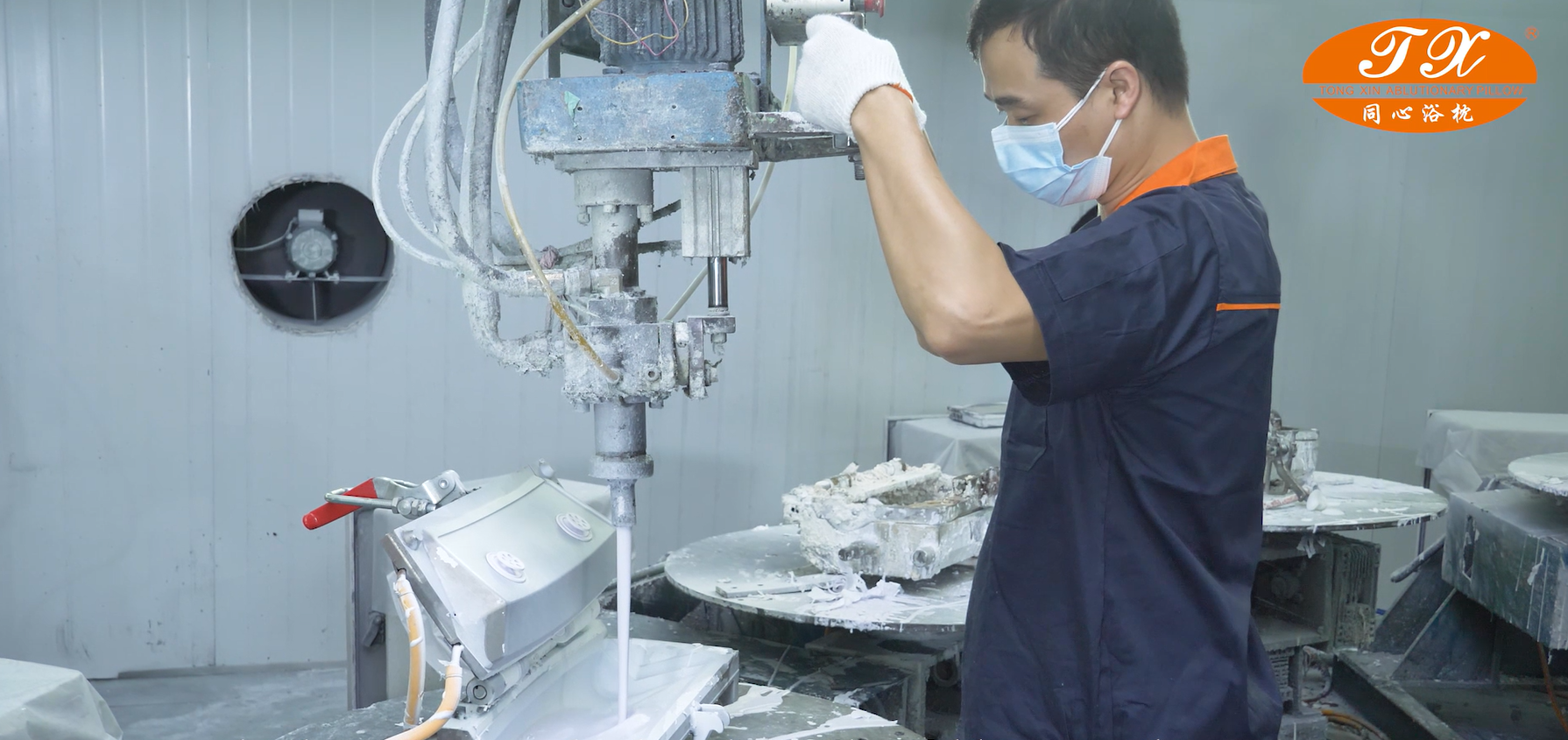
- Alternative Rust-Proof Materials: Utilizing advanced non-metallic materials like Ethylene-Vinyl Acetate (EVA) or self-skinning Polyurethane (PU) eliminates rust risks in high-humidity zones like spas, wellness centers, and home bathrooms.
- Compliance and Quality Assurance: Relying on verified certifications like ISO9001, CE, SGS, REACH, and RoHS ensures materials meet strict global chemical and mechanical safety standards.
Detailed Architectural/Principle Analysis
The rust resistance of stainless steel bathroom accessories relies on a passive chromium oxide film on the surface. When exposed to continuous moisture, chlorinated tap water, and acidic cleaning agents, this micro-barrier can degrade. Standardized testing in an environmental chamber accelerates this degradation. A typical 24-hour salt spray exposure simulates several months of real-world bathroom usage, allowing engineers to observe localized pitting or crevice corrosion.
To prevent product failures in wet environments, manufacturers like Foshan City Heart to Heart Household Wares Manufacturer integrate rigorous raw material inspections and physical-mechanical testing. For setups where metal corrosion remains a persistent issue, transitioning to synthetic composites offers a permanent solution. Materials like EVA and Polyurethane are naturally waterproof, hydrolyze-resistant, and immune to rust, making them highly suitable for bath and spa environments. 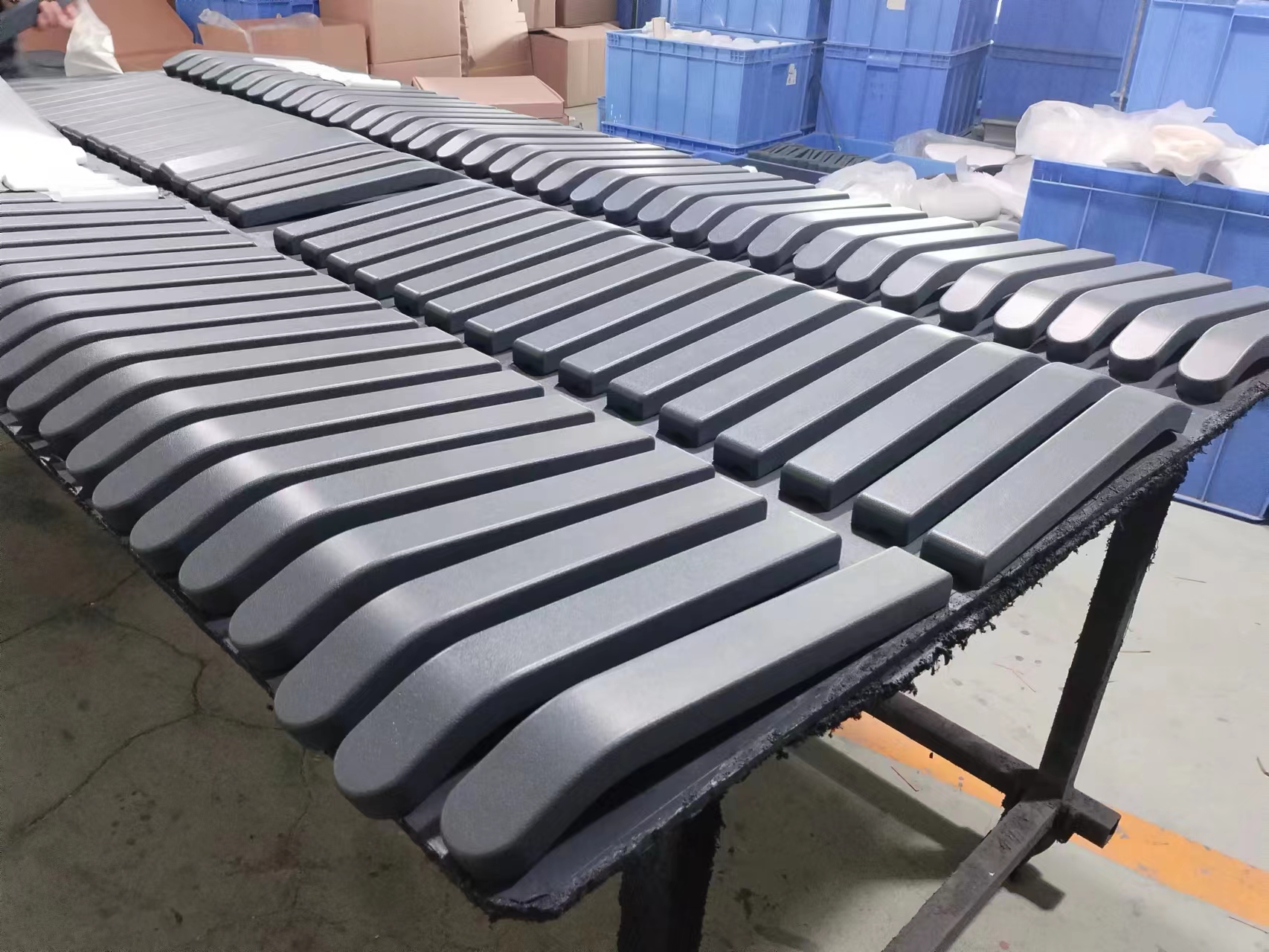
For example, the TO-64 EVA Bathtub Pillow is specifically designed for massage bathtubs, whirlpools, and hot tubs. Rather than undergoing metal corrosion testing, these non-metallic accessories are validated for cold and hot resistance, wear-resistance, and chemical safety. Testing focuses on structural elasticity and safety compliance under extreme humidity. 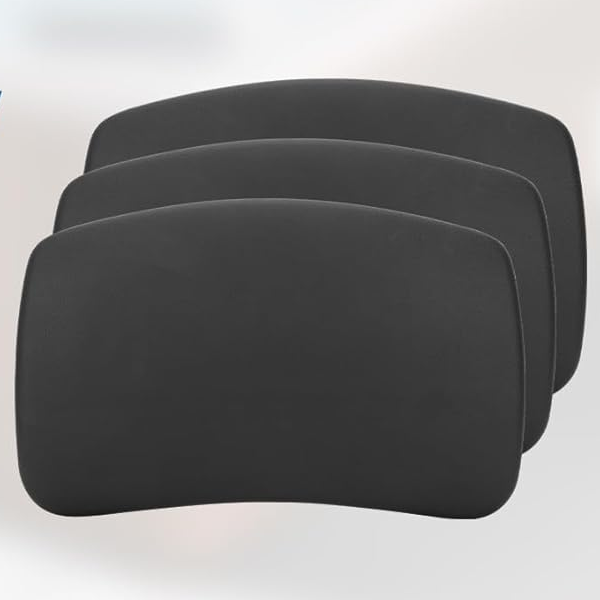
Global compliance standards further validate material durability. Compliance certificates such as SGS, REACH, and RoHS ensure that the synthetic materials used do not degrade or leach harmful substances when exposed to hot water and skin-care chemicals. 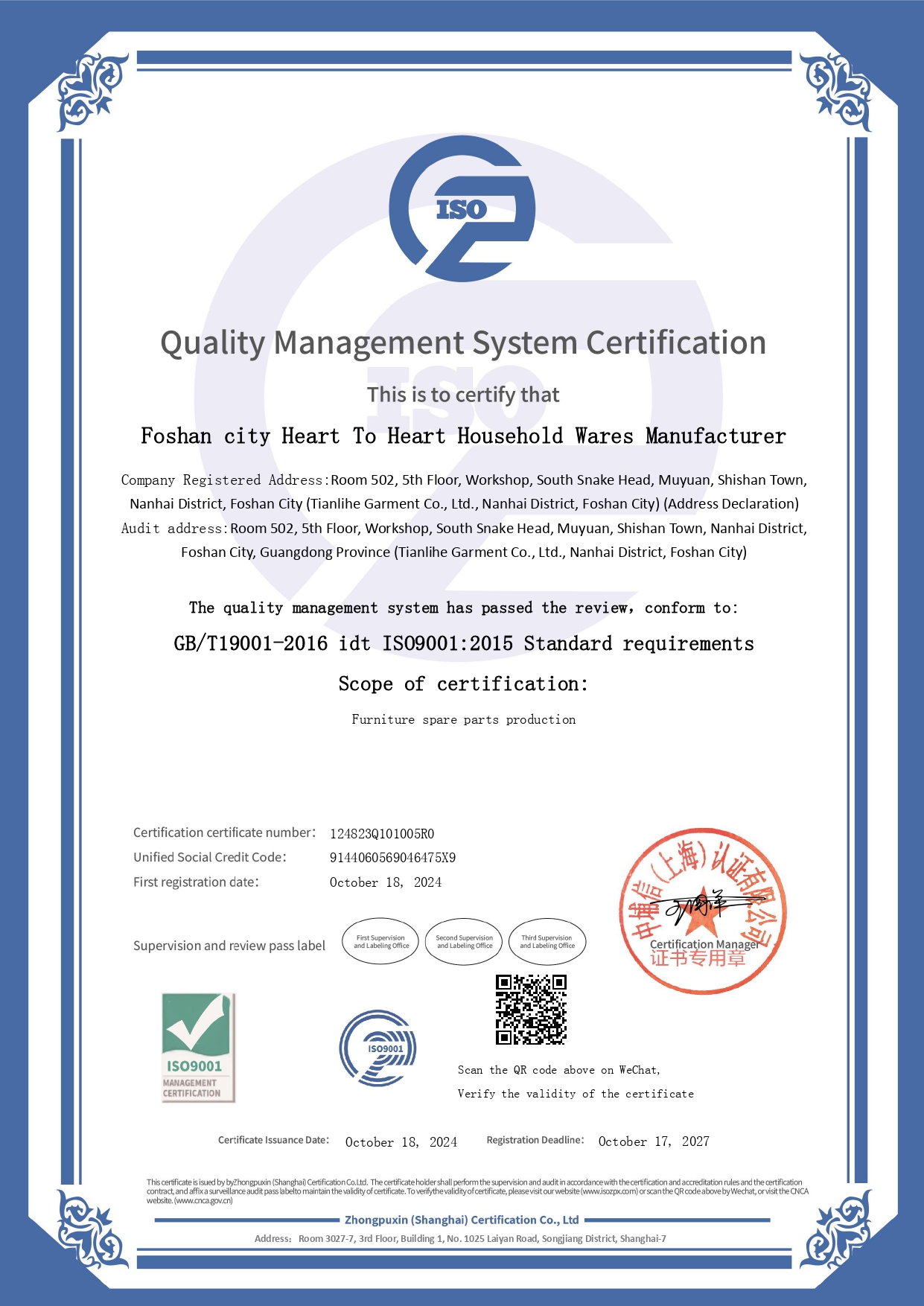
Data/Solution Comparison
| Material Type | Rust Resistance Level | Standard Testing Method | Primary Applications | Key Compliance Certifications | Minimum Order Quantity (MOQ) |
|---|---|---|---|---|---|
| Stainless Steel (Grade 304/316) | High (Requires active passivation) | Salt Spray Test (ASTM B117), Chemical Spot Test | Grab bars, shower caddies, brackets | ISO9001, CE | Varies by supplier |
| Self-Skinning Polyurethane (PU) | Absolute (100% Rust-Proof) | Hydrolysis, Cold/Hot, and Wear Resistance Tests | Bathtub pillows, armrests, shower chairs, toilet backrests | ISO9001, REACH, RoHS | 1 pc |
| Ethylene-Vinyl Acetate (EVA) | Absolute (100% Rust-Proof) | SGS material safety, water absorption testing | Spa pillows, whirlpool neck rests (Model TO-64) | SGS, RoHS | 50 pcs |
Frequently Asked Questions (FAQ)
How does a salt spray test determine the lifespan of a bathroom accessory?
A salt spray test exposes the accessory to a continuous 5% salt solution at 35°C inside a closed chamber. Every 24 hours of survival without red rust formation correlates approximately to one year of domestic bathroom exposure. Luxury commercial projects typically require accessories to pass a minimum 48-hour or 96-hour test.
Why do some stainless steel bathroom accessories rust despite being labeled rust-proof?
Rusting occurs when the protective chromium oxide layer is damaged. This is often caused by surface contamination from free iron particles during manufacturing, the use of abrasive or acidic cleaners, or prolonged exposure to stagnant water and poor bathroom ventilation.
Are there alternative materials that completely avoid rust-testing requirements?
Yes. Non-metallic materials such as EVA (Ethylene-Vinyl Acetate) and Polyurethane (PU) are inherently waterproof and do not contain iron, making them entirely immune to rust. Accessories like the TO-64 EVA Bathtub Pillow bypass metal rust testing entirely while providing high elasticity and comfort for wet environments.
Final Conclusion & Recommendations
Validating rust resistance through standardized chamber testing is essential when selecting metal hardware for high-moisture environments. For wet-area touchpoints like headrests and armrests, specifying synthetic materials like EVA or self-skinning PU provides a highly durable, maintenance-free solution. When procurement requires verified quality, select partners that offer transparent logistics and verified quality control. Supported shipping includes FBA sea, air, and land freight, with payment processed securely through TT advance plus final payment before delivery or Alipay. For detailed technical solutions or support, please reach out to us via tongxin@tongxinyz.com.
About Us
Foshan City Heart to Heart Household Wares Manufacturer, established in 2002, is a specialized manufacturer of PU and EVA products based in Foshan, China. Operating a 5000 sqm factory with a monthly production capacity of 50000 pcs, the enterprise designs and manufactures bathtub pillows, armrests, shower chairs, and wellness accessories. The company holds ISO9001, CE, SGS, REACH, and RoHS certifications, serving major global sanitary ware brands and maintaining partnerships with importers and distributors for over a decade. 
SUBSCRIBE
INQUIRY