_b6EAeI0l.png "Banner")
PRODUCTS
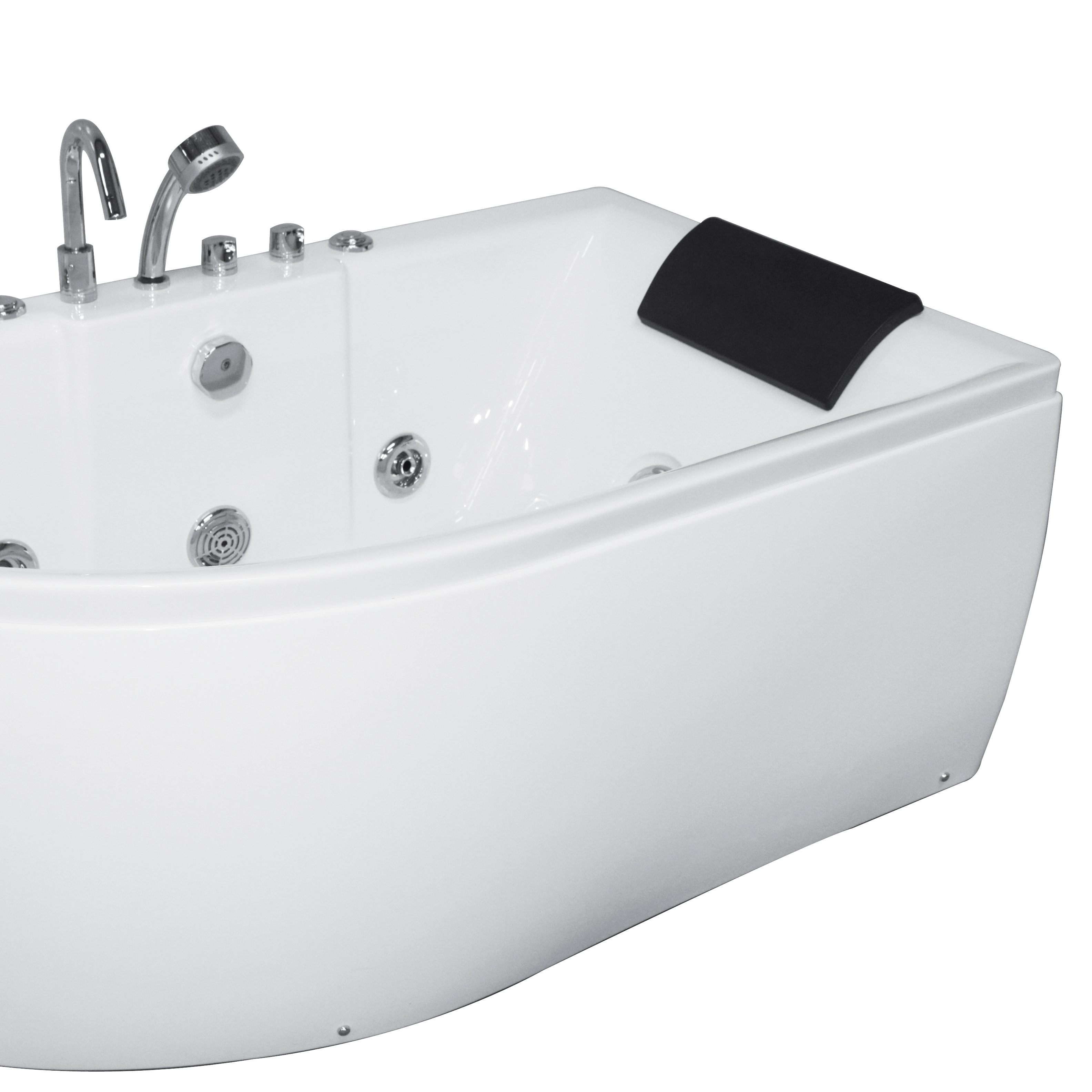
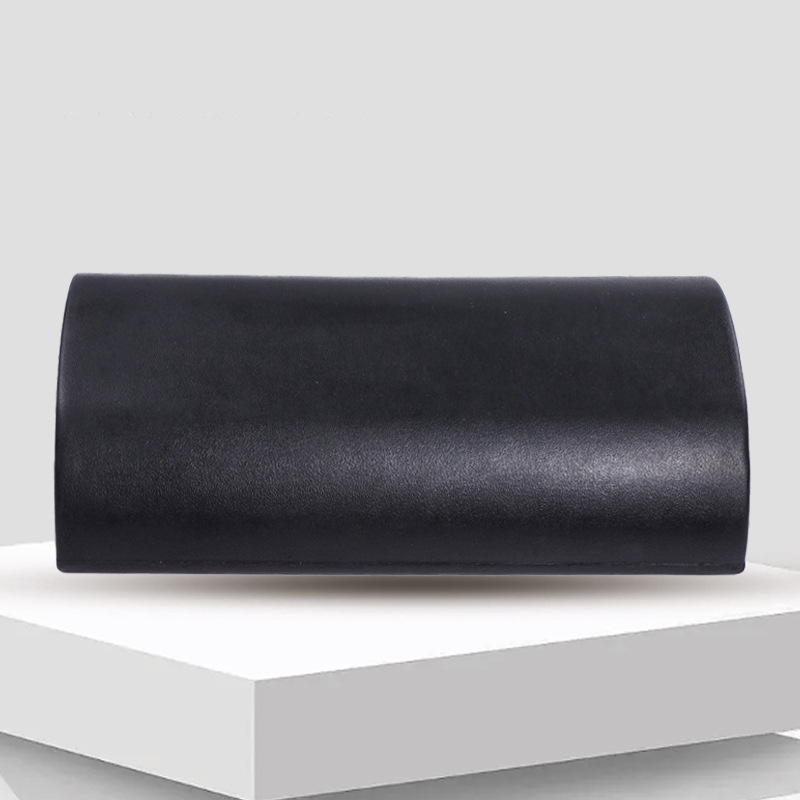
Manufacturer Direct Wholesale PU Waterproof Elastic Straightedge Convex-curved Bathtub Pillows SPA Massage Tub Headrest Backrest
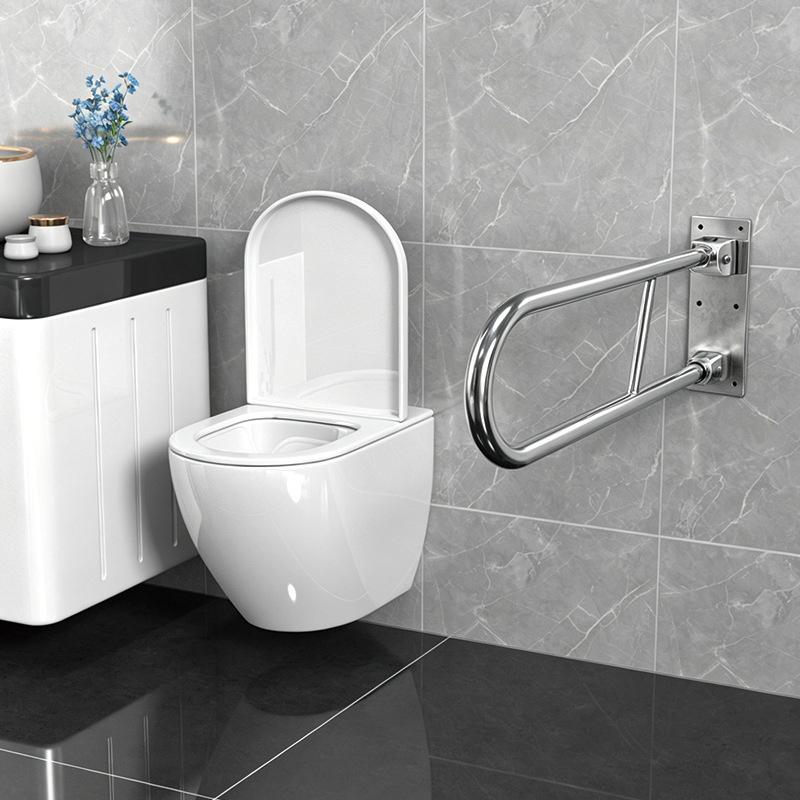
Wholesale Thickened Stainless Steel Modern Minimalist Bathroom Bathtub Non-Slip Handrail Elderly Safety Ergonomic Design
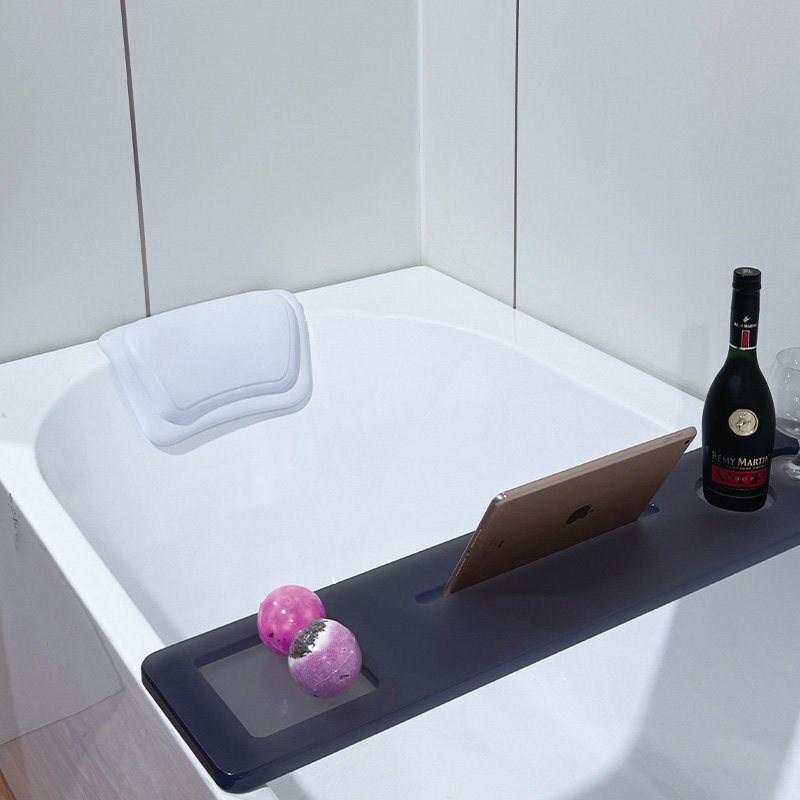
Installation-Free Home Bathroom High Elastic Neck Pillow Back Cushion Special Non-Slip Bathtub Bath Cushion Pillow
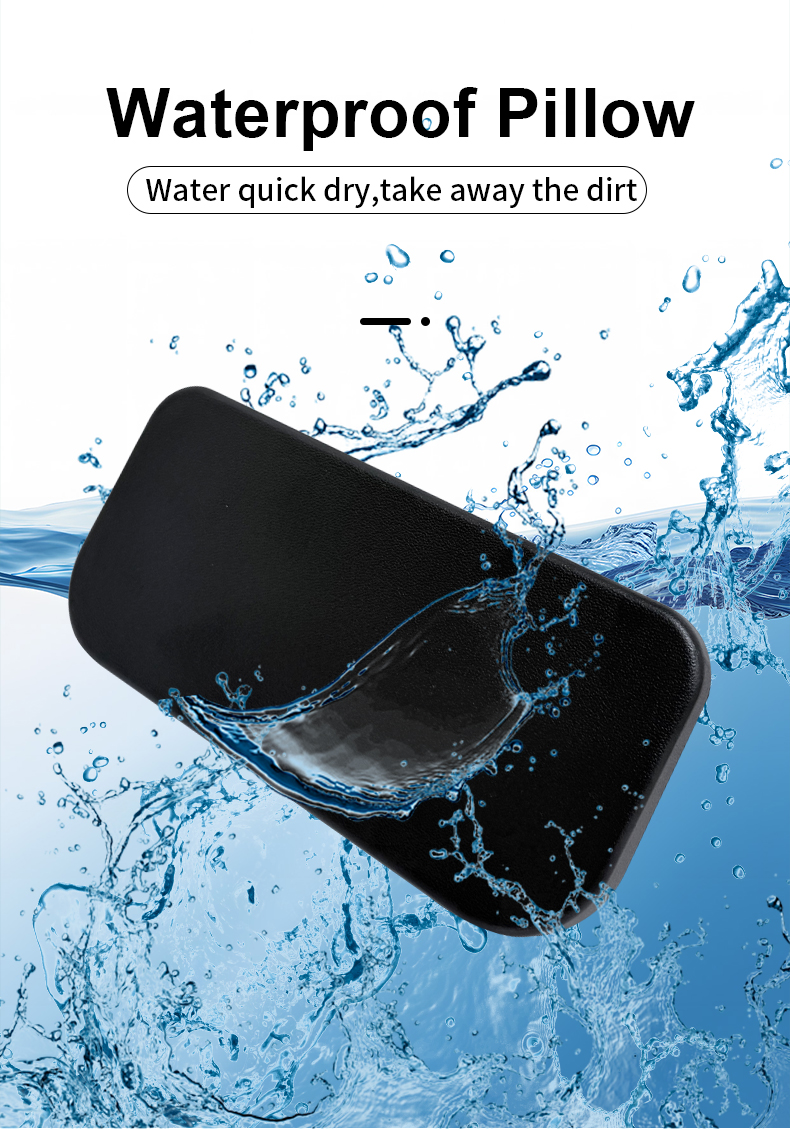
Direct From Manufacturer Polyurethane Waterproof Elastic Easy-to-clean Straight Edge Bathtub Pillow Freestanding Tub SPA Pillow
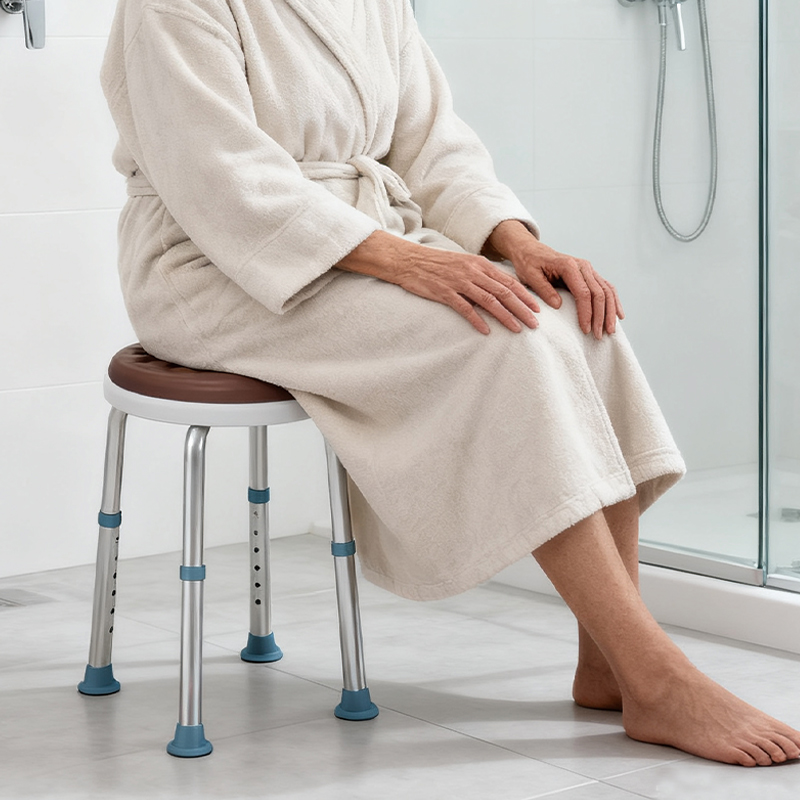
360° Swivel Elderly Bath Chair with Anti-Slip Base - Fixed Shower Bench
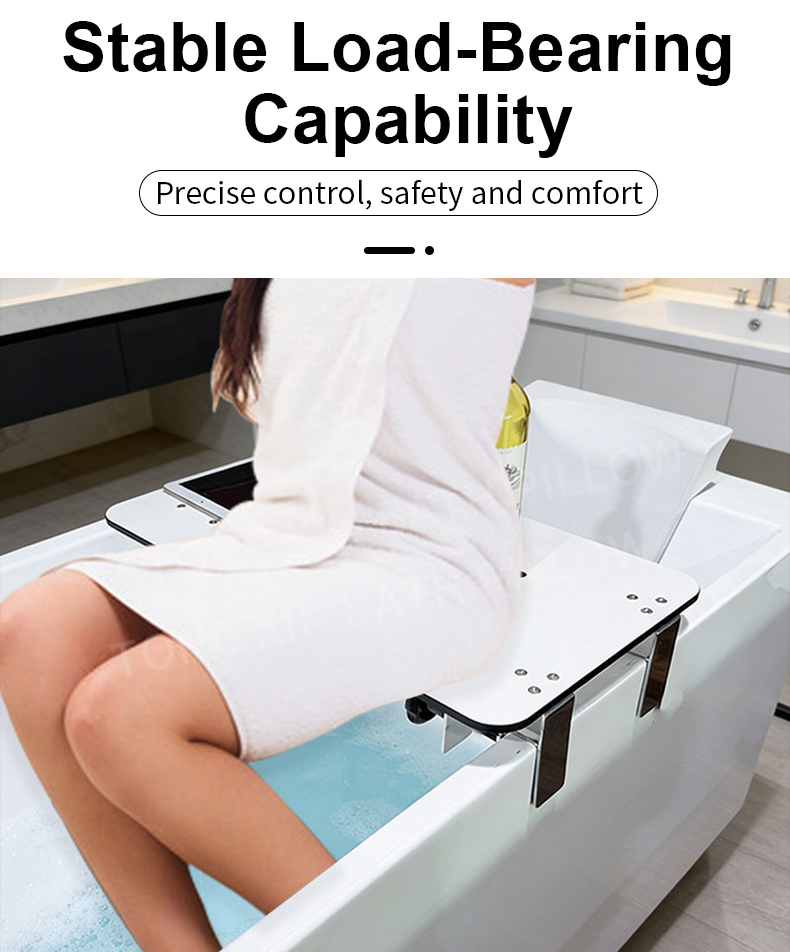
New Design Bathtub Folding Stool Waterproof & Moisture-Resistant 90-Degree Foldable Height-Adjustable Universal Bathtub Seat
Modern Anti-Slip TX-23A Waterproof Hot Water Mat Safe and Stable for Bathroom or Hotel Use
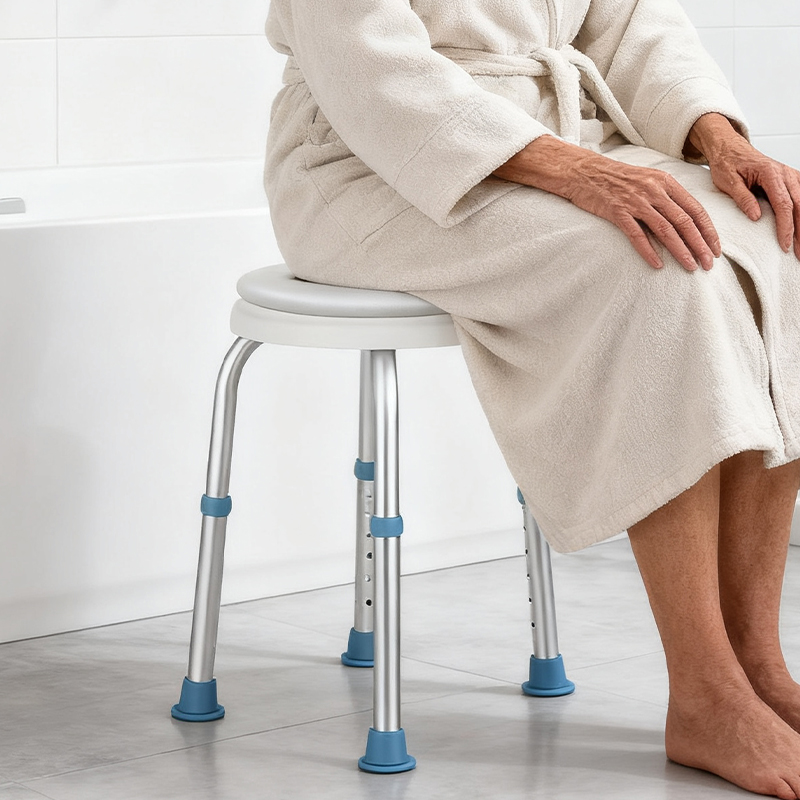
360 Degree Dual-Sided Rotating 6 Steps Height Adjustable Soft Cushion Waterproof Anti-Collision Lightweight Shower Stool Seat
How do raw material cost spikes affect the MOQ of metal auto parts?
Raw material cost spikes directly increase the financial risk and setup expenses for manufacturing auto parts, forcing factories to adjust their Minimum Order Quantity (MOQ) upward to maintain profitability. Higher material costs require larger production runs to amortize fixed tooling and processing overheads, directly influencing MOQ thresholds for components like steering wheels and automotive accessories.
Core Solutions & Key Takeaways
- Amortization of Setup Costs: Raw material price increases require larger production volumes to offset fixed tooling, manufacturing setup, and quality inspection costs.
- Supply Chain Stability: High material volatility encourages manufacturers to implement raw material risk-sharing models and longer-term forecasting.
- MOQ Adjustments: For precision polyurethane (PU) and composite auto parts such as steering wheels, standard MOQs (e.g., 100 pcs) help stabilize unit pricing during cost spikes.
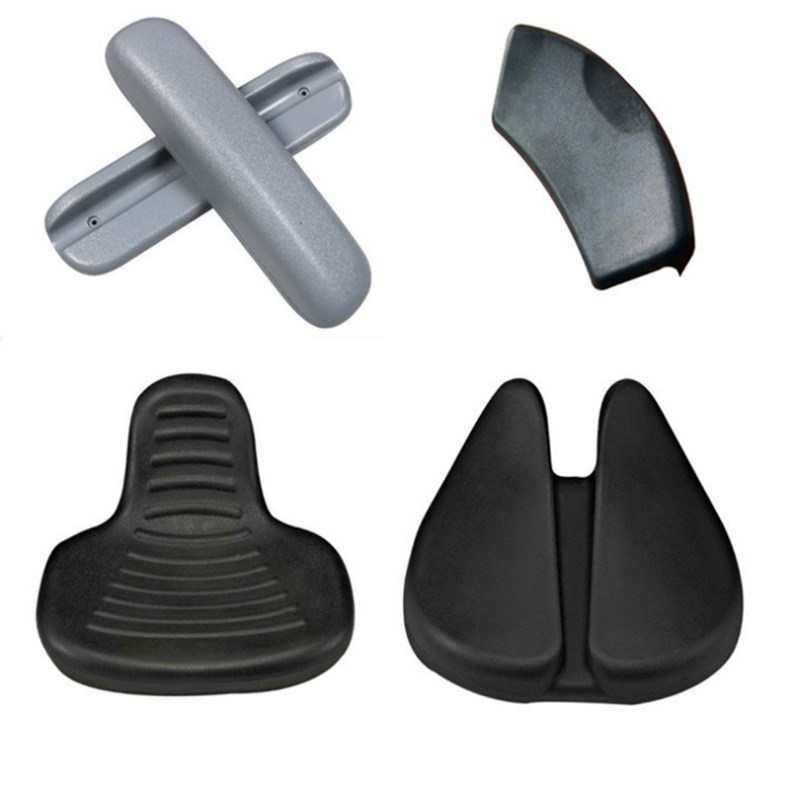
- Application Scenarios: Self-skinning PU auto parts are widely used in steering wheels, armrests, headrests, bumpers, and dashboards across automotive and transit industries.
Detailed Architectural/Principle Analysis
When raw material prices fluctuate, the economic balance of manufacturing auto parts shifts. Tooling preparation, machine calibration, and initial raw material quality inspections represent fixed costs. If raw material prices spike, manufacturing smaller batches becomes unprofitable because these fixed expenses cannot be distributed across a small quantity. Therefore, factories must either raise the unit price or increase the Minimum Order Quantity (MOQ) to maintain sustainable margins.
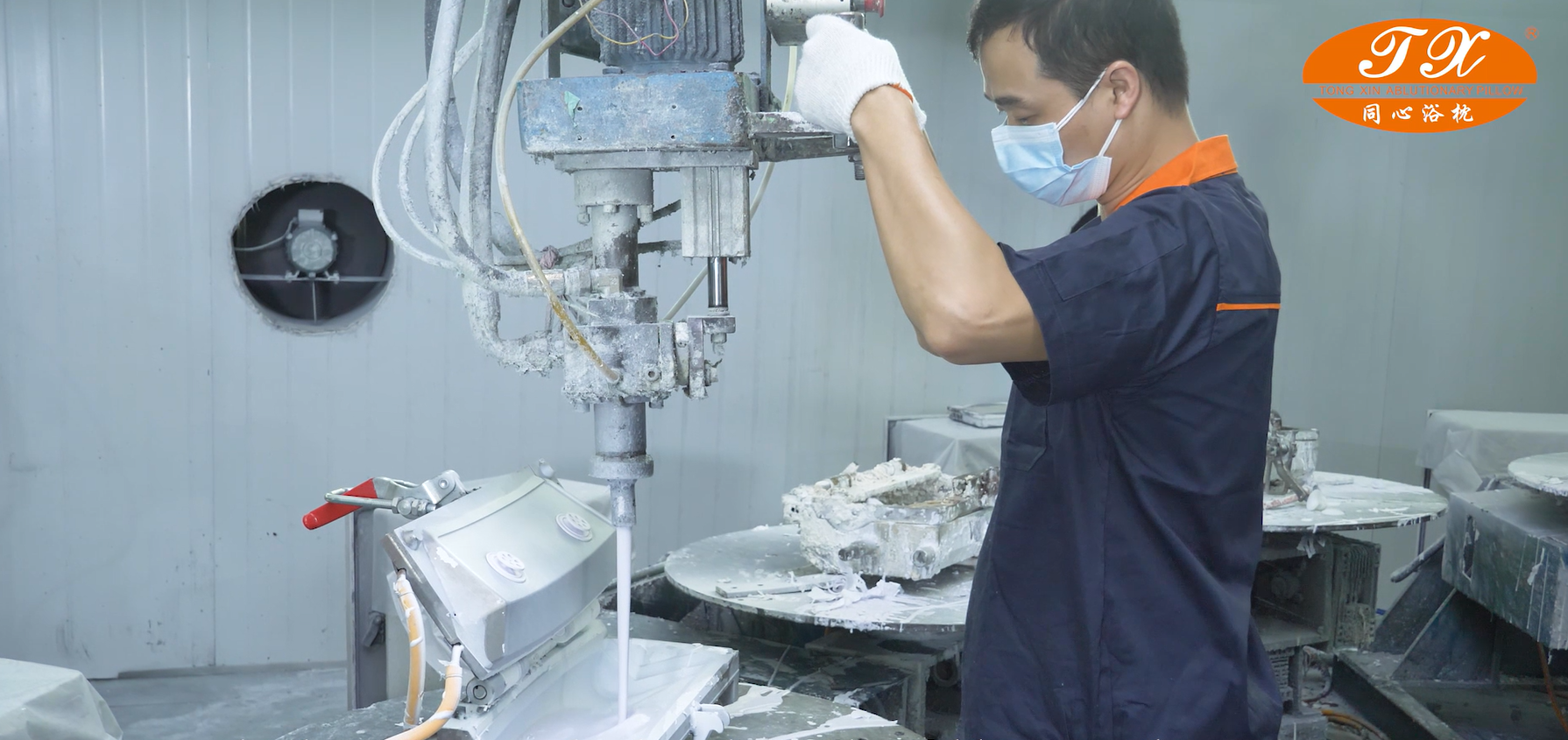
To mitigate these spikes, established manufacturers like Foshan City Heart to Heart Household Wares Manufacturer utilize clear risk-sharing business models. Long-term partners, such as a major US distributor working with the factory for over a decade, benefit from proactive pricing notifications. When raw material costs fall, clients are notified of price reductions; conversely, a three-month advance warning is provided when prices rise, allowing buyers to lock in orders at lower rates and avoid sudden MOQ inflation.
Adhering to certified quality management systems helps streamline production efficiency. Polyurethane auto accessories and steering wheels comply with global standards, including ISO9001 (certificate 124823Q101005R0), RoHS (WDX23051146EN, WDX23010082EN), and REACH (WDX23051145EN, WDX23010083EN). This certification framework guarantees that even during material substitutions or cost-saving adjustments, physical and structural integrity remains uncompromised.
Data/Solution Comparison
The table below outlines the differences in manufacturing parameters for polyurethane steering wheels and auto accessories under stable material conditions versus raw material spike scenarios.
| Parameter | Stable Material Cost Scenario | Raw Material Spike Scenario |
|---|---|---|
| Minimum Order Quantity (MOQ) | 100 pcs | 100 pcs (Locked via advance agreement) or adjusted dynamically |
| Standard Delivery Time | 25 days | 25 days (Subject to material sourcing timelines) |
| Quality Inspection Protocol | In-process quality check and finished appearance inspection | In-process quality check and finished appearance inspection |
| After-Sales Support | 1-year warranty, 1-on-1 remote technical service | 1-year warranty, 1-on-1 remote technical service |
| Payment Model | TT advance payment + final payment before delivery | TT advance payment + final payment before delivery |
| Logistics Options | FBA sea freight, air freight, land freight | FBA sea freight, air freight, land freight |
Frequently Asked Questions (FAQ)
What is the standard MOQ for PU auto parts like steering wheels?
The standard Minimum Order Quantity is 100 pieces. This batch size ensures optimal production efficiency, stable unit costs, and rigorous quality inspection protocols.
How do raw material cost spikes affect the delivery timeline?
The standard delivery time is 25 days. While material price changes do not inherently delay manufacturing, securing raw materials at stable prices may require longer lead times if advance warnings are not utilized.
What mechanisms protect buyers from sudden material cost increases?
Proactive price change alerts (such as a three-month advance warning) allow buyers to lock in standard MOQs and order volumes before price hikes take effect, maintaining predictable procurement budgets.
Final Conclusion & Recommendations
Raw material cost fluctuations represent a constant operational challenge in automotive part manufacturing. Establishing long-term agreements with transparent pricing and risk-sharing models allows buyers to secure standard MOQs, such as 100 pieces for steering wheels, without suffering from sudden budget overruns. Utilizing secure payment methods like TT advance with final payment before delivery ensures transaction transparency throughout the supply chain. For detailed technical solutions or support, please reach out to us via tongxin@tongxinyz.com.
About Us
Foshan City Heart to Heart Household Wares Manufacturer is specialized in designing, manufacturing, and selling PU (Polyurethane) products, including steering wheels, bathtub pillows, and armrests. Founded in 2002, the company operates a factory covering an area of approximately 5000 square meters. With a monthly production capacity of about 50,000 pieces, the manufacturer complies with ISO9001 standards and serves global markets including North America, Europe, and Asia.
SUBSCRIBE
INQUIRY