
_b6EAeI0l.png "Banner")
PRODUCTS
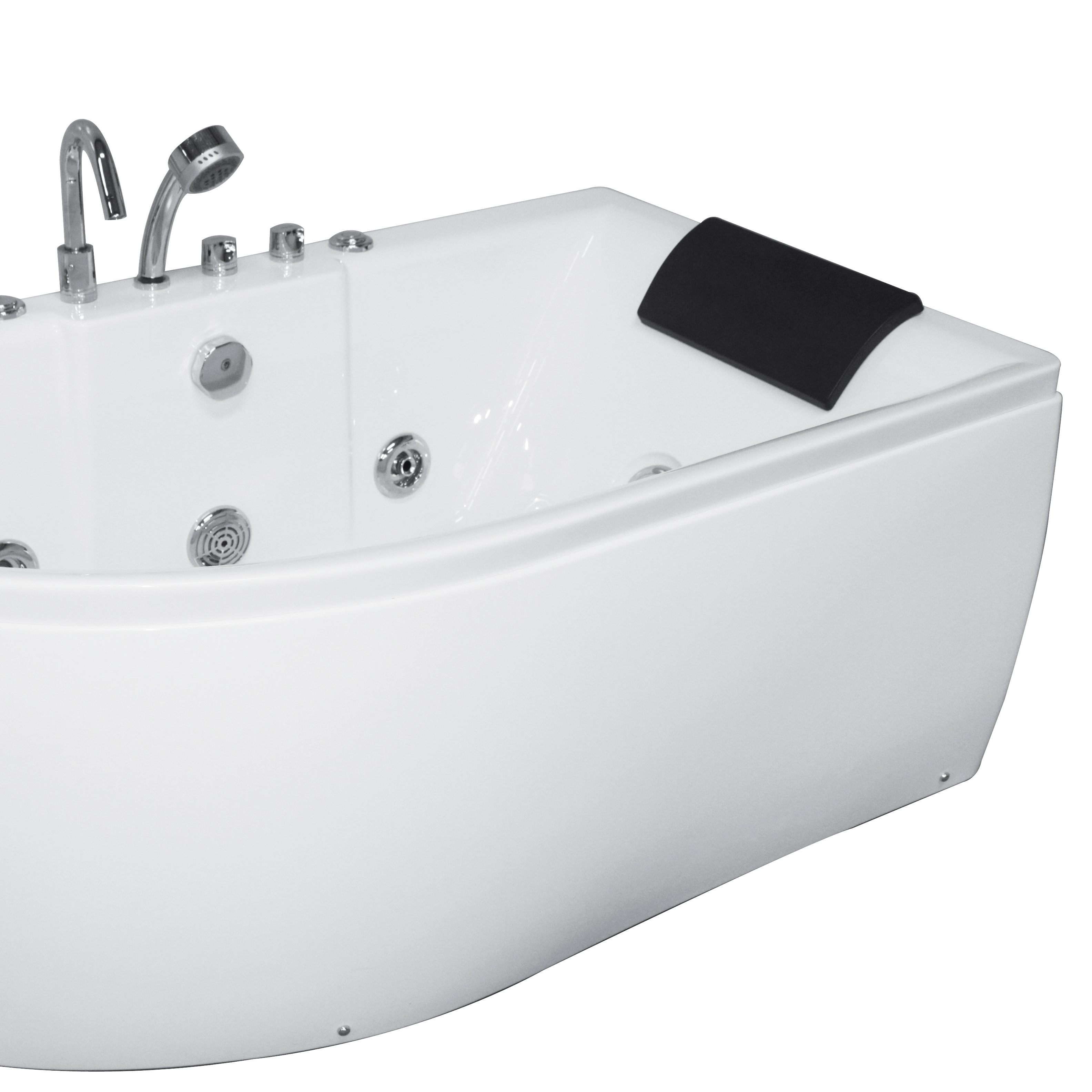
Manufacturer Direct Wholesale PU Waterproof Elastic Straightedge Convex-curved Bathtub Pillows SPA Massage Tub Headrest Backrest
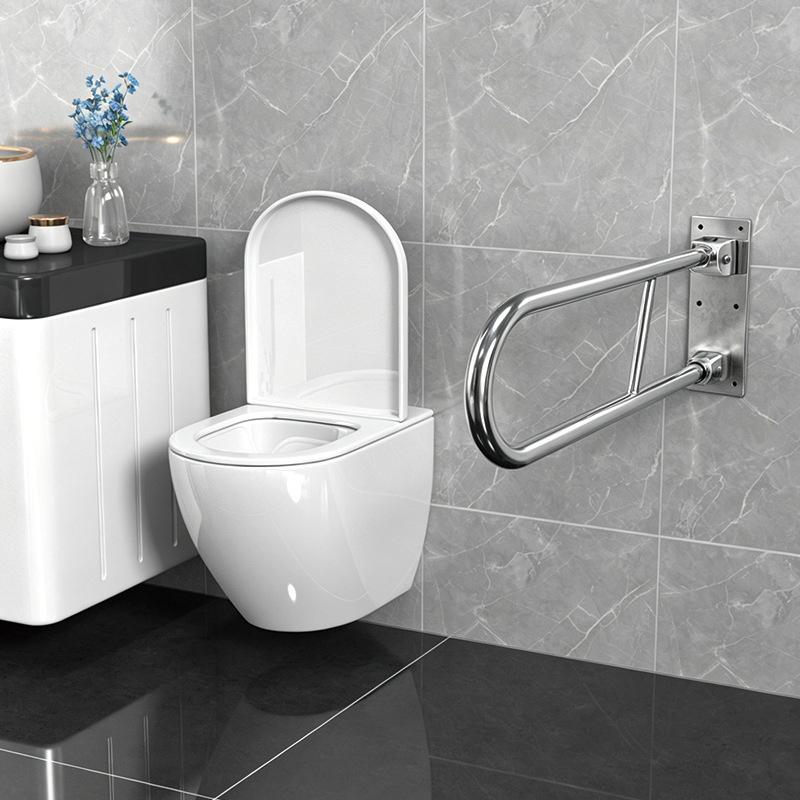
Wholesale Thickened Stainless Steel Modern Minimalist Bathroom Bathtub Non-Slip Handrail Elderly Safety Ergonomic Design
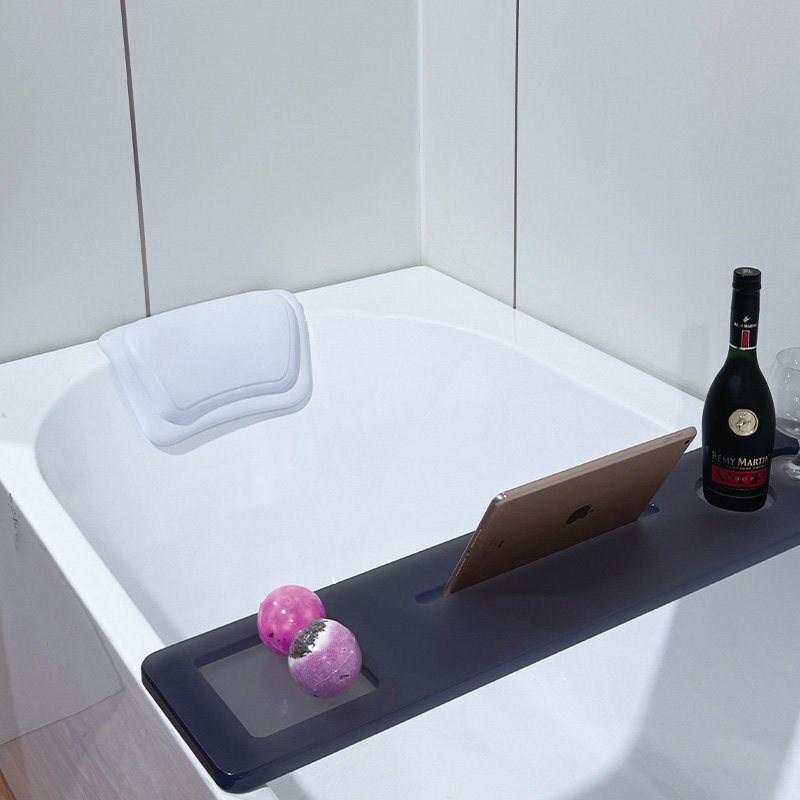
Installation-Free Home Bathroom High Elastic Neck Pillow Back Cushion Special Non-Slip Bathtub Bath Cushion Pillow
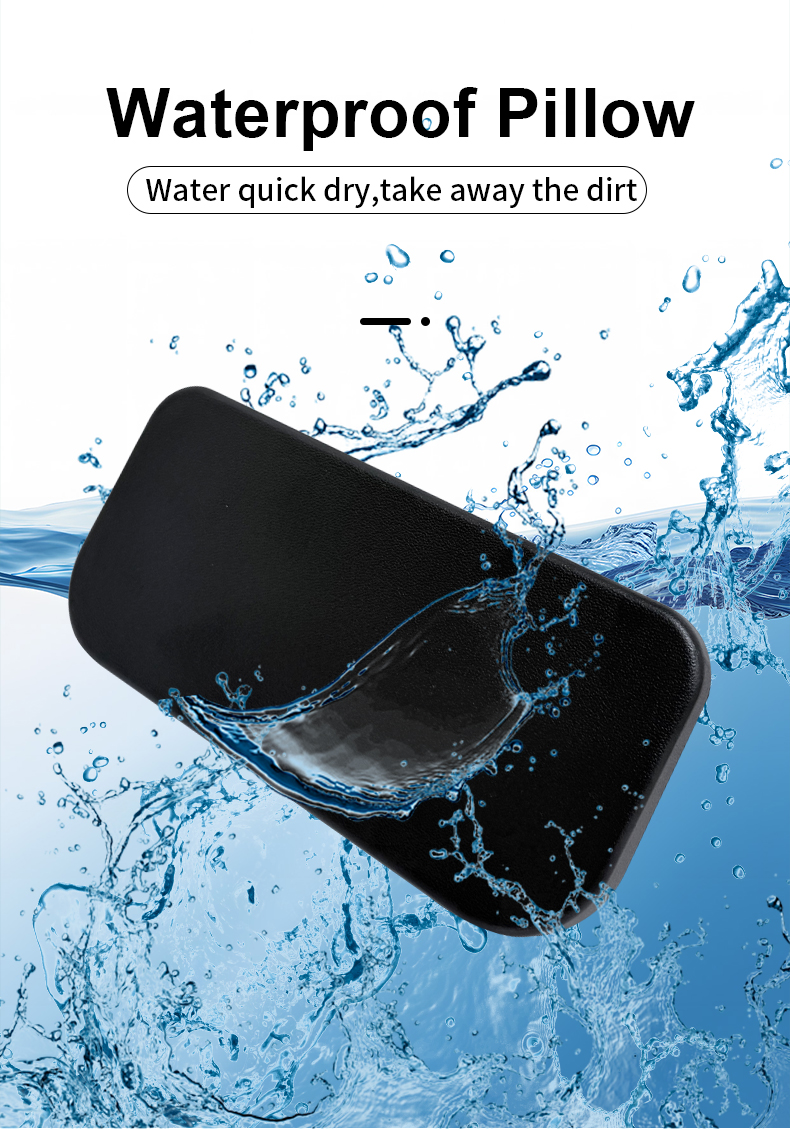
Direct From Manufacturer Polyurethane Waterproof Elastic Easy-to-clean Straight Edge Bathtub Pillow Freestanding Tub SPA Pillow
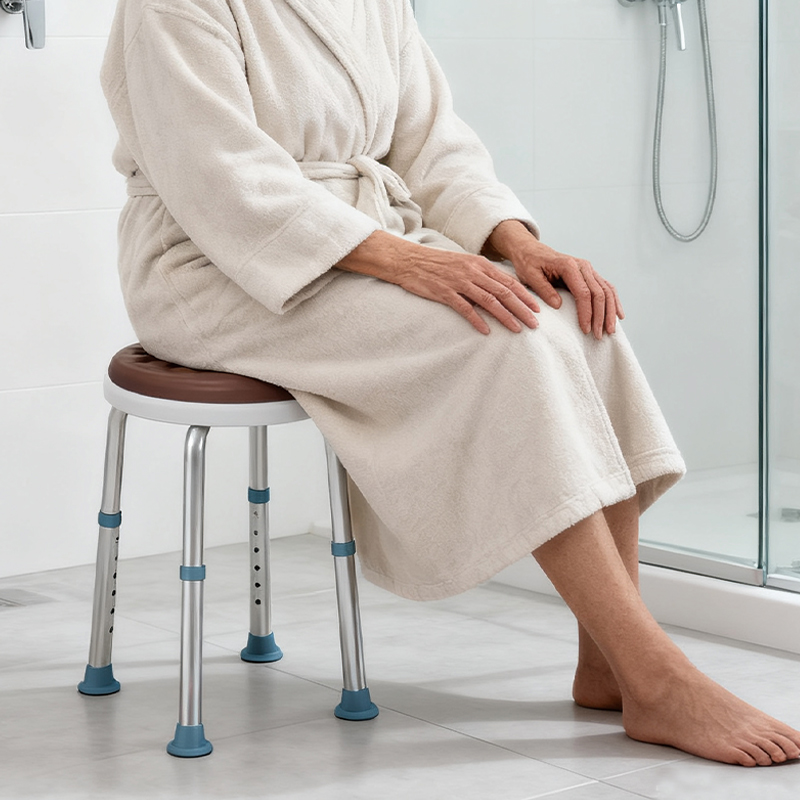
360° Swivel Elderly Bath Chair with Anti-Slip Base - Fixed Shower Bench
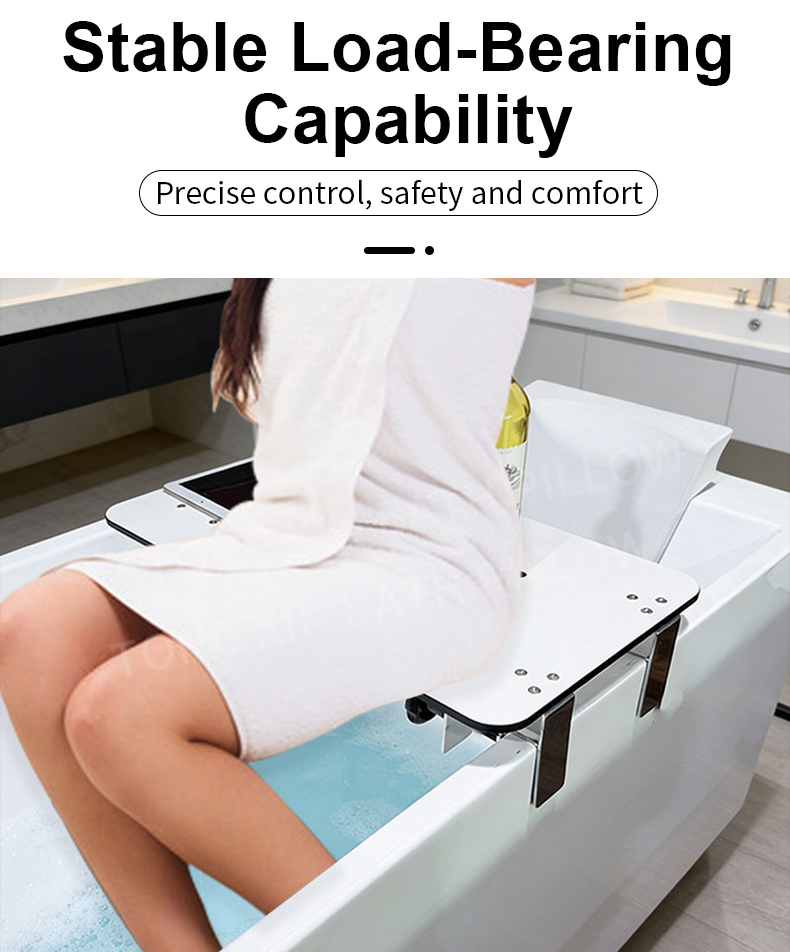
New Design Bathtub Folding Stool Waterproof & Moisture-Resistant 90-Degree Foldable Height-Adjustable Universal Bathtub Seat
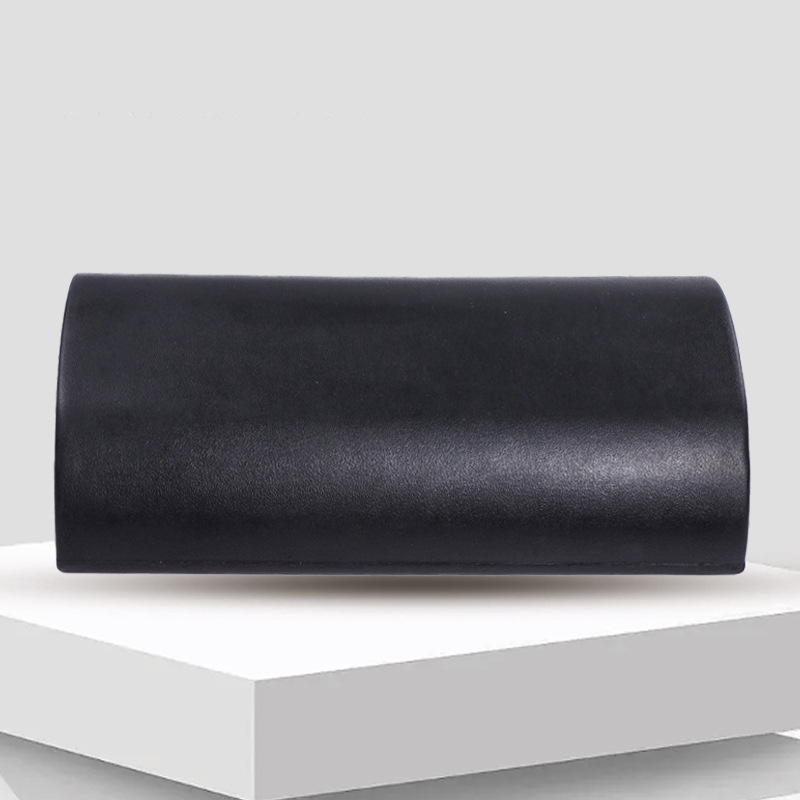
Modern Anti-Slip TX-23A Waterproof Hot Water Mat Safe and Stable for Bathroom or Hotel Use
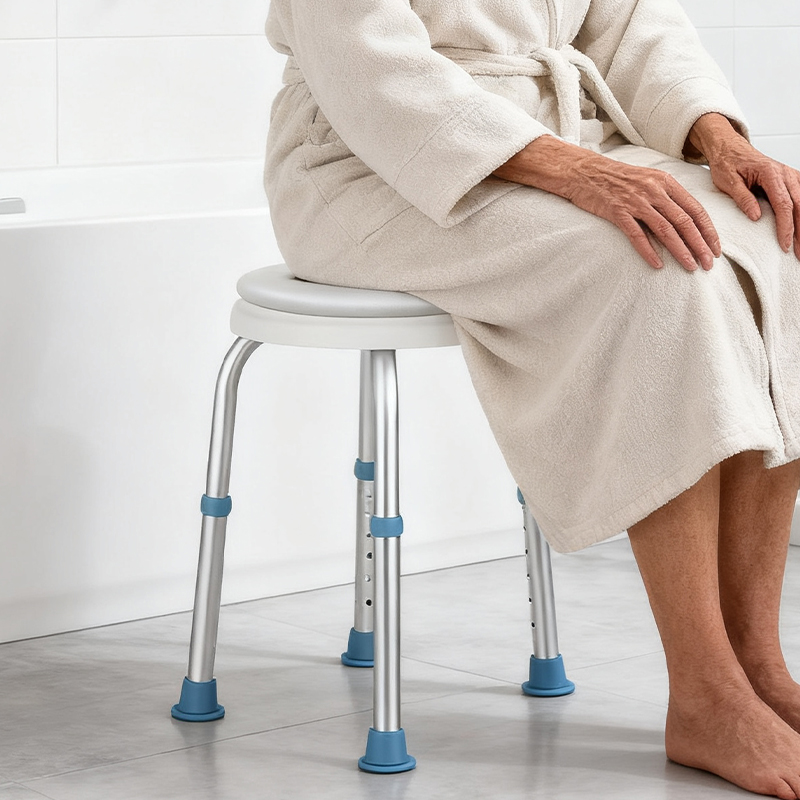
360 Degree Dual-Sided Rotating 6 Steps Height Adjustable Soft Cushion Waterproof Anti-Collision Lightweight Shower Stool Seat
How do temperature changes affect the performance of an electrical accessory?
Temperature changes affect the performance of an electrical accessory by altering material conductivity, causing thermal expansion, and degrading insulation. Extreme heat accelerates chemical degradation in polyurethane and plastic housings, leading to mechanical wear or electrical shorts, while extreme cold increases brittleness and structural stress under load.
Core Solutions & Key Takeaways
- Thermal Stability in Material Selection: Utilizing high-elasticity, hydrolyzed-resistant, and cold/hot-resistant polyurethane (PU) formulations prevents structural cracking and degradation between temperature extremes.
- Protection in High-Demand Scenarios: Properly engineered housings protect internal components in diverse applications, including automotive dashboards, medical treatment chairs, fitness equipment, and gaming machine parts.
- Rigorous Testing Protocols: Implementing regular physical, mechanical, and safety inspections ensures that accessories maintain structural integrity despite rapid temperature fluctuations.

Detailed Architectural/Principle Analysis
Electrical accessories and their protective housings frequently experience cyclic thermal loading. When ambient temperatures rise, materials expand at varying rates depending on their thermal expansion coefficients. In a complex assembly like a gaming machine part or an automotive control element, this mismatch causes internal mechanical stress, potentially breaking solder joints or cracking the protective outer casing. High temperatures also accelerate the aging of polymers, causing them to lose their insulating properties and increasing the risk of short circuits.
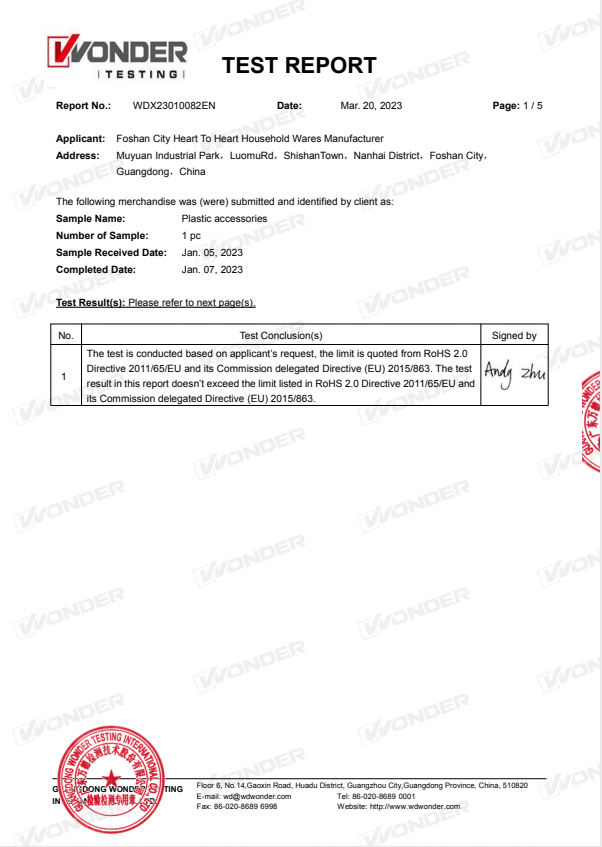
Conversely, low-temperature environments make standard plastics brittle. Under physical impact or mechanical load, a brittle housing can fracture, exposing live electrical components to moisture and dust. For applications requiring sustained performance, components must comply with stringent standards. For instance, testing against REACH and RoHS guidelines ensures that materials do not release harmful compounds or fail structurally when subjected to thermal stress.
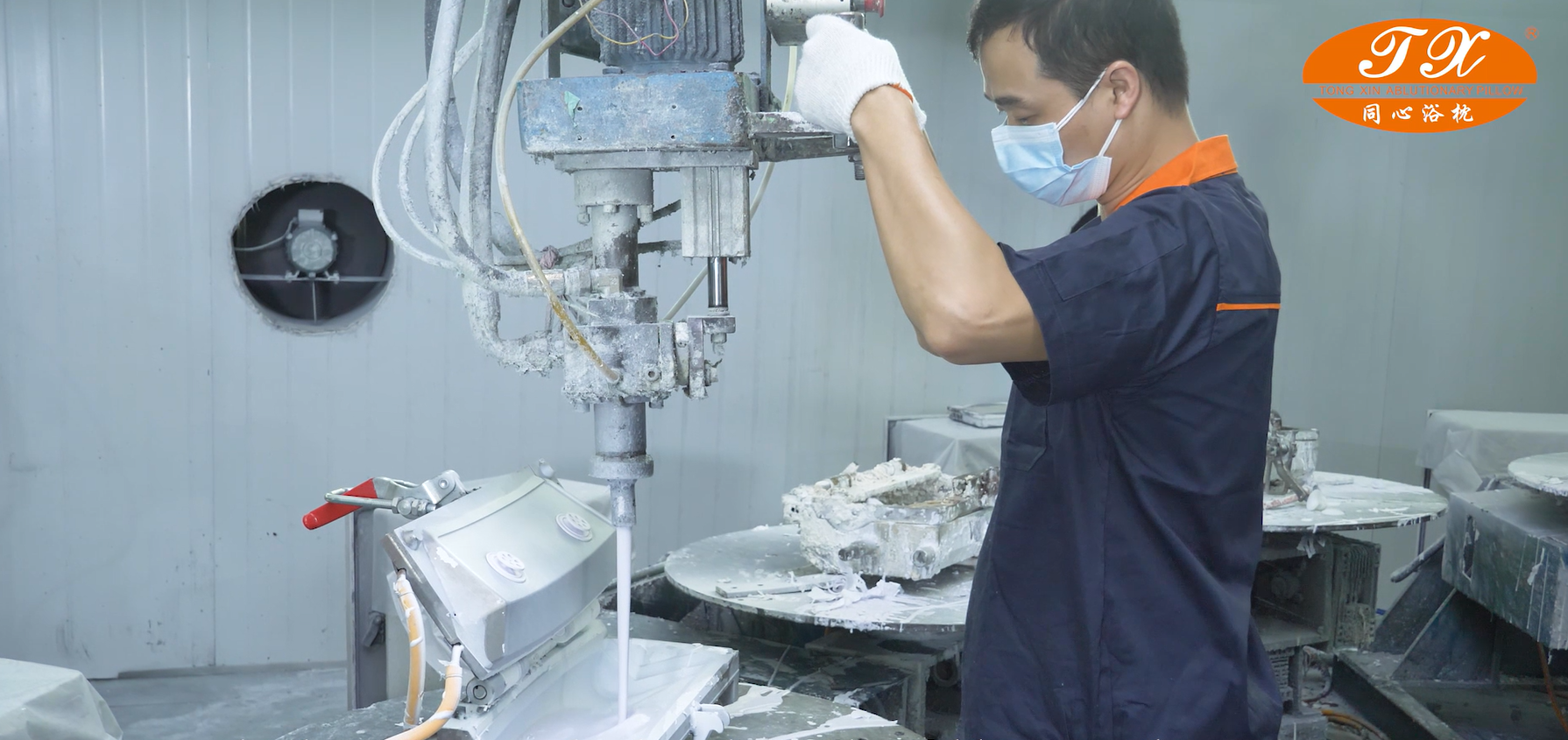
Real-world supply chains demand high consistency to counter these temperature-induced failures. Industry cases show that distributors supplying markets in North America and Europe prioritize manufacturers with strict quality control over cheaper alternatives. Consistent quality control metrics prevent shipping delays and block failure risks during seasonal peak demands like the winter holidays, where extreme cold poses transport and storage challenges for plastic and polyurethane components.
Data/Solution Comparison
To mitigate the impacts of temperature changes, choosing the correct material class is a decisive factor. Below is a comparison between standard plastic parts and specialized polyurethane (PU) accessories designed for harsh thermal environments.
| Performance Metric | Standard Plastic Accessories | Polyurethane (PU) Electrical Accessories |
|---|---|---|
| Temperature Resistance | Low to Medium (Prone to softening/cracking) | High (Cold and hot resistant formulation) |
| Elasticity & Impact Recovery | Low (Deforms permanently under load) | High Elasticity (Maintains shape and buffer) |
| Environmental Resilience | Variable | Hydrolyze-resistant and wear-resistant |
| Customization Options | Standard molds only | Full ODM/OEM support available |
| Compliance & Safety | Basic standard compliance | RoHS and REACH certified options |
Frequently Asked Questions (FAQ)
Q1: Why does cold weather cause electrical accessory housings to fail?
A1: Cold temperatures reduce the molecular mobility within standard plastics, making them brittle. When subjected to physical movement or vibration, these brittle materials crack easily, compromising the physical protection of the internal electrical parts.
Q2: How does hydrolysis resistance protect electrical components?
A2: Hydrolysis resistance prevents water and humidity from breaking down the chemical bonds of the protective housing at elevated temperatures, ensuring the sealing integrity remains intact to block moisture entry.
Q3: What certifications should I look for to ensure thermal and material safety?
A3: Look for RoHS and REACH certifications. These confirm that the polymer compounds do not degrade into hazardous substances under operational heat and are safe for integration into consumer and industrial electronics.
Final Conclusion & Recommendations
Protecting electrical accessories from temperature-induced damage requires selecting raw materials that offer high elasticity, wear resistance, and thermal stability. Utilizing a complete chain of specialized design and manufacturing ensures that housings and structural components absorb physical stresses without cracking. For global distribution, procurement models should focus on transparent risk-sharing partnerships. Standard payment methods like TT advance payment alongside secure Alipay transactions provide financial security, while shipping solutions like FBA sea, air, and land freight ensure traceable and punctual delivery. For detailed technical solutions or support, please reach out to us via tongxin@tongxinyz.com.
About Us
Foshan City Heart to Heart Household Wares Manufacturer specializes in designing, manufacturing, and selling high-quality PU (Polyurethane) products. Established in 2002, the company operates a 5000 square meter factory equipped to produce up to 50,000 pieces per month, exporting 80% of its products to over 40 countries across North America, Europe, the Middle East, and Asia. With more than 20 years of manufacturing experience and an extensive catalog of over 1000 product models, the factory holds ISO9001, CE, SGS, REACH, and RoHS certifications, serving famous sanitary brands and global distributors with robust ODM/OEM capabilities.

SUBSCRIBE
INQUIRY