
_b6EAeI0l.png "Banner")
PRODUCTS
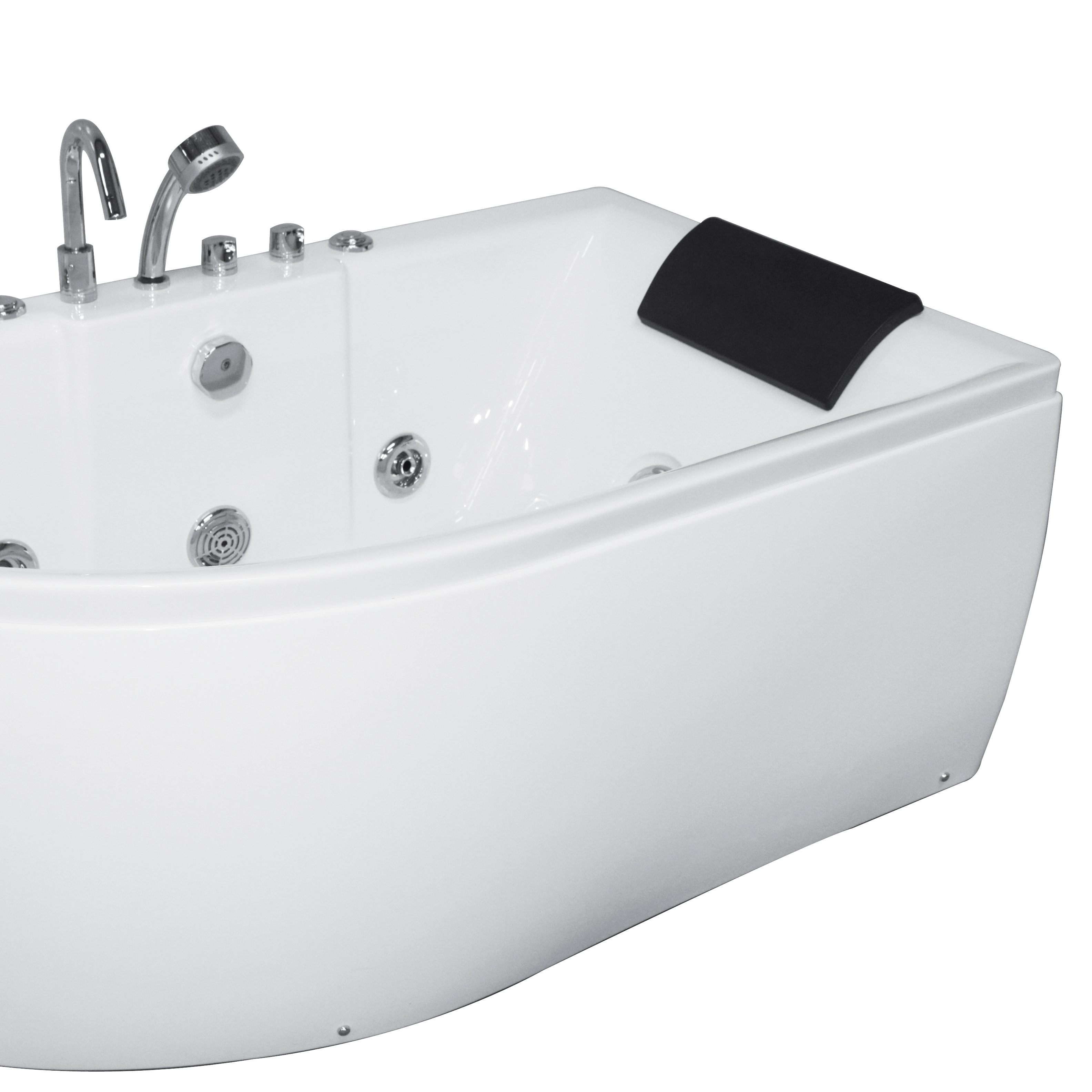
Manufacturer Direct Wholesale PU Waterproof Elastic Straightedge Convex-curved Bathtub Pillows SPA Massage Tub Headrest Backrest
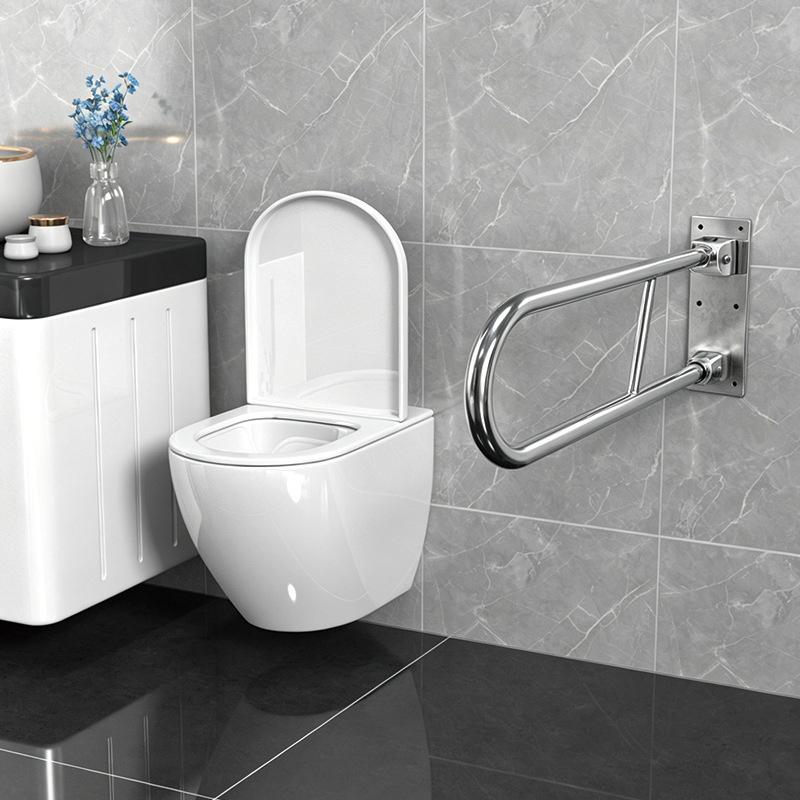
Wholesale Thickened Stainless Steel Modern Minimalist Bathroom Bathtub Non-Slip Handrail Elderly Safety Ergonomic Design

Installation-Free Home Bathroom High Elastic Neck Pillow Back Cushion Special Non-Slip Bathtub Bath Cushion Pillow
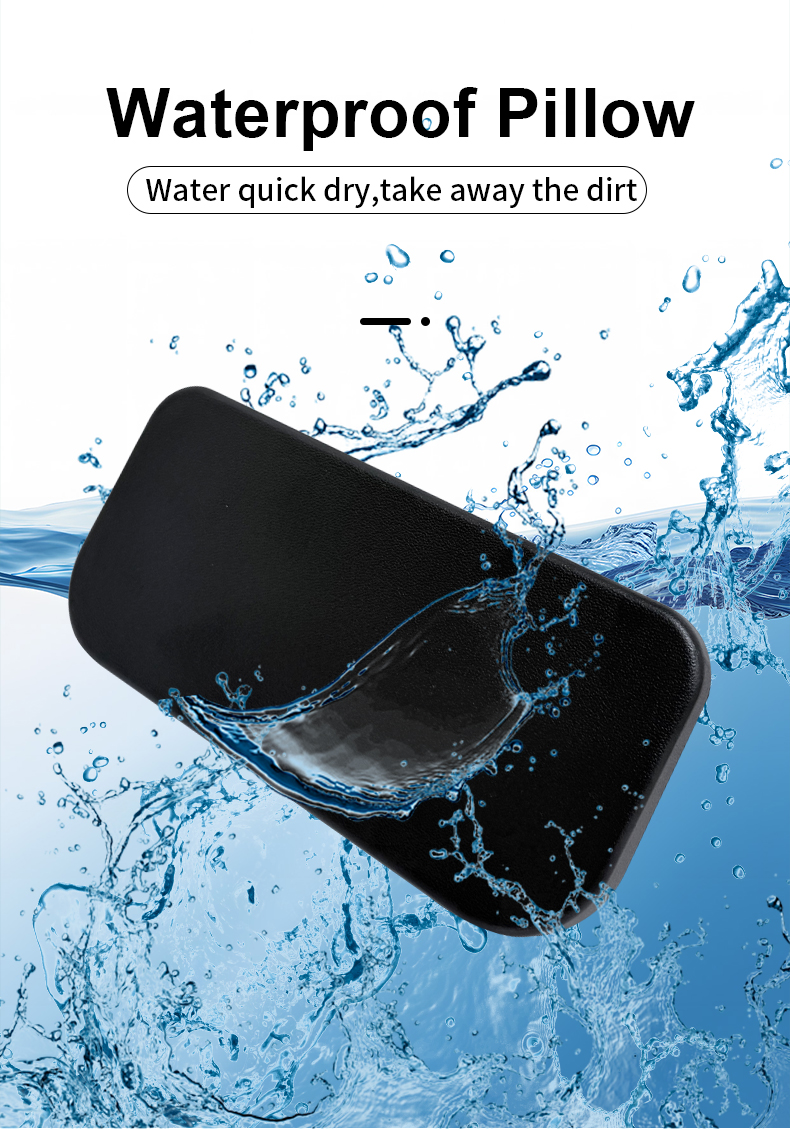
Direct From Manufacturer Polyurethane Waterproof Elastic Easy-to-clean Straight Edge Bathtub Pillow Freestanding Tub SPA Pillow
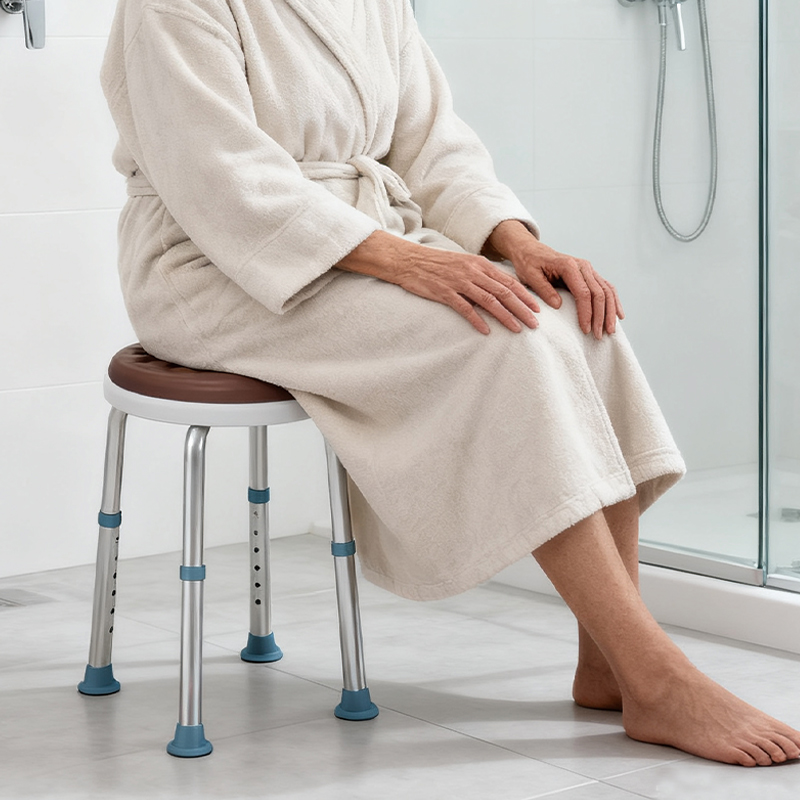
360° Swivel Elderly Bath Chair with Anti-Slip Base - Fixed Shower Bench
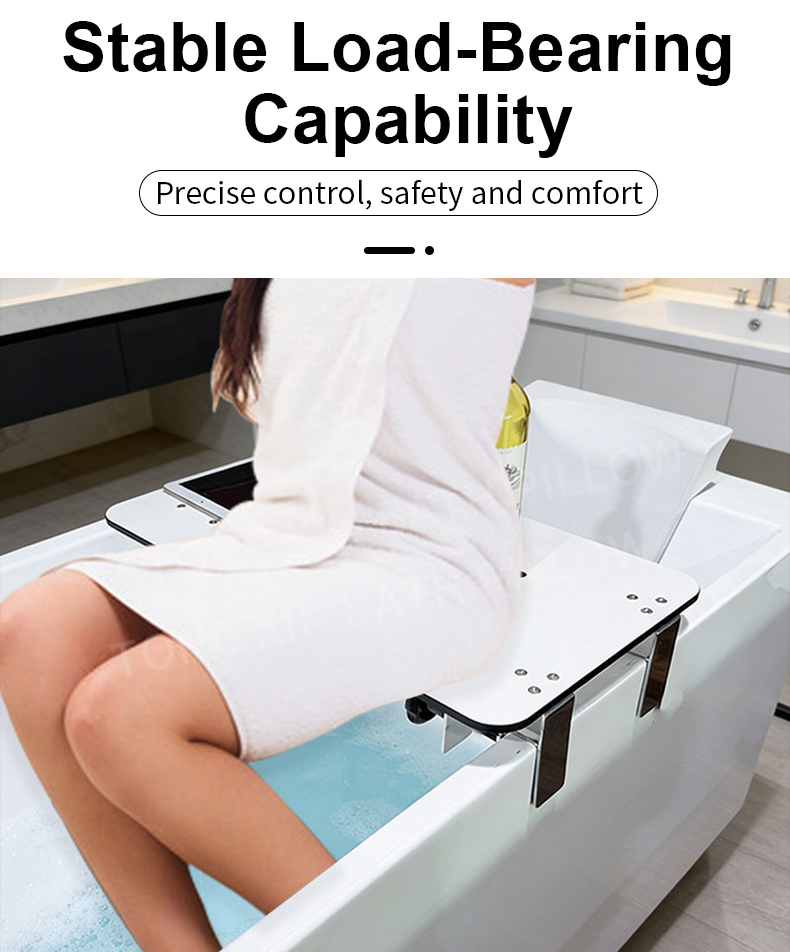
New Design Bathtub Folding Stool Waterproof & Moisture-Resistant 90-Degree Foldable Height-Adjustable Universal Bathtub Seat
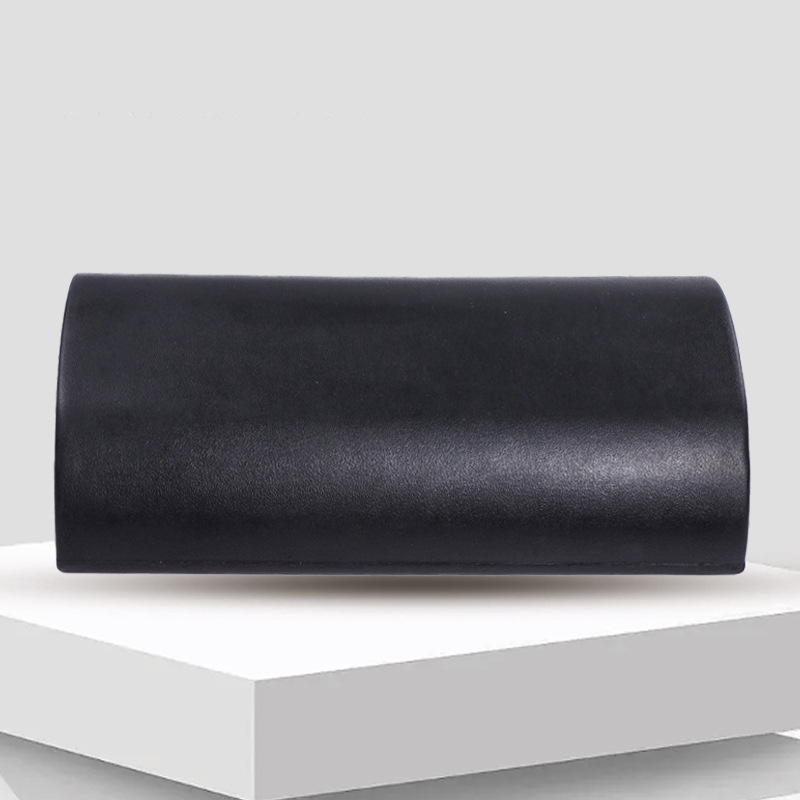
Modern Anti-Slip TX-23A Waterproof Hot Water Mat Safe and Stable for Bathroom or Hotel Use
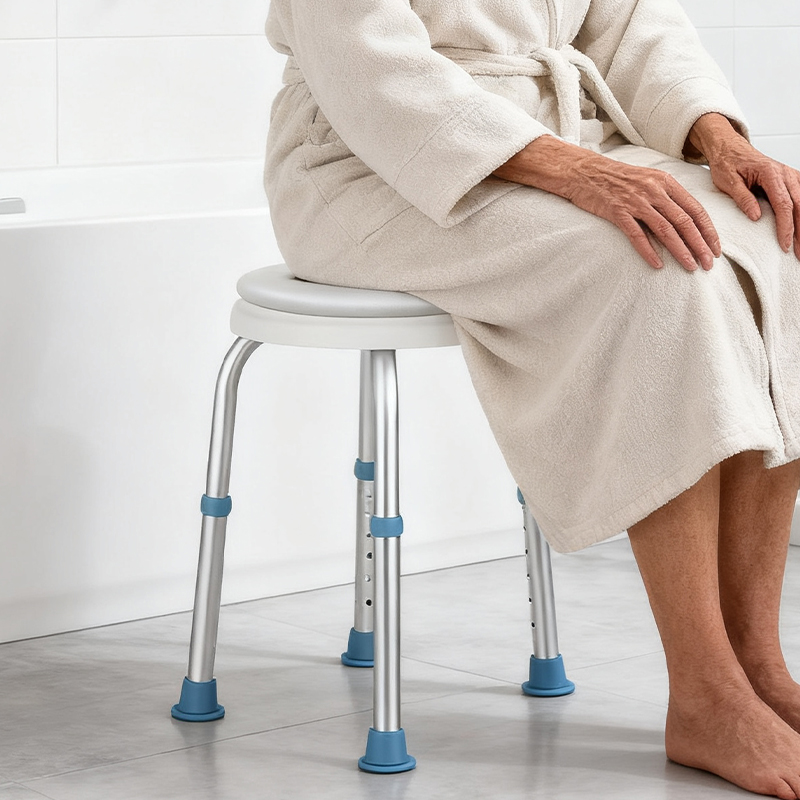
360 Degree Dual-Sided Rotating 6 Steps Height Adjustable Soft Cushion Waterproof Anti-Collision Lightweight Shower Stool Seat
How is the rise of electric vehicles changing auto parts manufacturing?
The rise of electric vehicles (EVs) is shifting auto parts manufacturing toward lightweight materials, high-precision structural integration, and specialized tactile components. Traditional mechanical parts are giving way to polyurethane (PU) self-skinning technologies and ergonomic interior components designed to optimize cabin comfort, reduce vehicle weight, and handle the unique acoustic demands of quiet electric drivetrains.
Core Solutions & Key Takeaways
- Material Transition: Manufacturers are replacing heavy metal structures with high-durability Polyurethane (PU) and self-skinning foam to reduce overall vehicle weight and extend battery range.
- Interior Redesign: The absence of engine noise highlights cabin vibration and tactile feedback, driving demand for premium, vibration-dampening steering wheels, armrests, and headrests.
- Diversified Application Scenarios: Advanced PU molded components are expanding from standard automotive steering wheels, dashboards, and gearshift levers to specialized transit seating and impact-resistant protective panels.
- Rigorous Compliance: Modern EV components must satisfy global standards such as REACH and RoHS to guarantee chemical safety and environmental compatibility in enclosed cabin spaces.
Detailed Architectural/Principle Analysis
Electric vehicle architecture fundamentally alters the distribution of weight and noise within the vehicle. Without the masking sound of an internal combustion engine, high-frequency road noise and component vibrations become highly noticeable. This has forced auto parts manufacturers to focus on advanced polymer chemistry, specifically self-skinning polyurethane (PU) formulation, to provide both structural integrity and acoustic dampening.
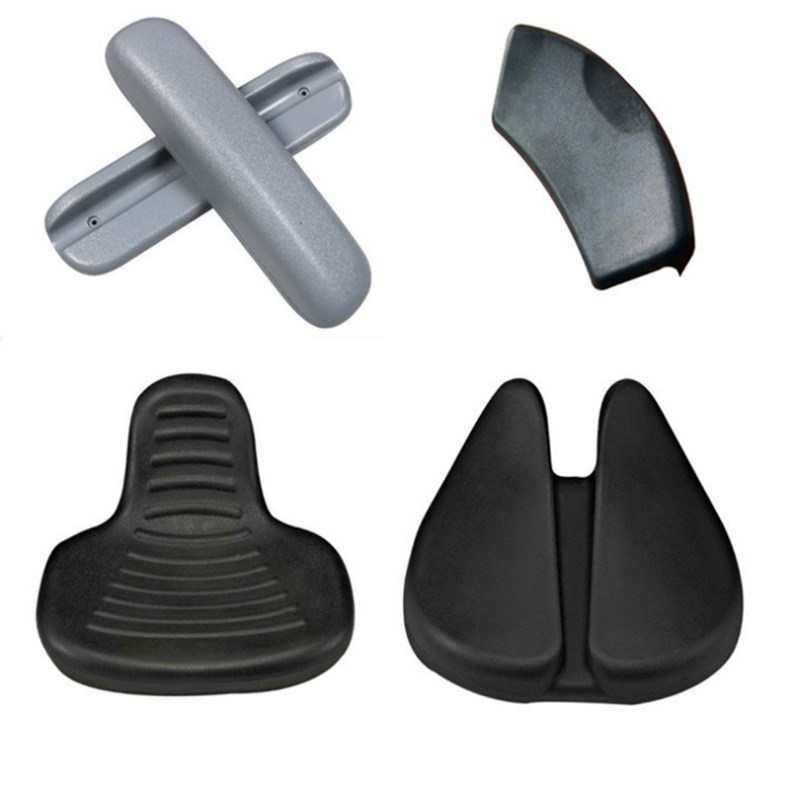
For components like the steering wheel and cabin armrests, the manufacturing process relies on precision reaction injection molding (RIM). This technique creates a high-density, wear-resistant outer skin with a microcellular foam core in a single operation. The resulting parts offer superior hydrolyze resistance, cold and hot resistance, and high elasticity, ensuring they withstand temperature fluctuations and physical wear over the vehicle's lifespan.
Furthermore, global supply chains demand rigorous certification for these chemical formulations. Automotive components must meet international standards such as ISO9001 for quality management, alongside REACH and RoHS certifications to confirm the absence of hazardous substances. These compliance frameworks ensure that the interior air quality of electric vehicles remains safe for passengers over years of continuous exposure to sunlight and heat.
Data/Solution Comparison
The following table outlines the technical specifications and supply chain parameters for electric vehicle tactile components, specifically focusing on self-skinning steering wheels:
| Parameter / Feature | Specification / Support Detail |
|---|---|
| Core Material | Self-Skinning Polyurethane (PU) |
| Manufacturing Type | OEM / ODM Support |
| Minimum Order Quantity (MOQ) | 100 pcs |
| Standard Delivery Time | 25 days |
| Target Export Markets | North America, Europe, Asia |
| Quality Inspection Protocols | In-process quality inspection, finished product appearance inspection before packaging |
| Logistics & Transportation | FBA sea freight, air freight, and land freight with real-time tracking |
Frequently Asked Questions (FAQ)
Why is polyurethane preferred over traditional plastics in electric vehicle interiors?
Polyurethane, particularly self-skinning PU foam, provides excellent vibration dampening, tactile softness, and high elasticity. These properties help absorb cabin vibrations and reduce ambient noise levels, which are much more noticeable in quiet electric vehicles compared to internal combustion engine cars.
How do manufacturers ensure the safety and environmental compliance of interior auto parts?
Manufacturers adhere to global certification standards such as REACH and RoHS. These certifications verify that the polymeric materials, stabilizers, and colorants used in components like steering wheels and armrests do not contain harmful chemicals, protecting passenger health and facilitating global export.
What quality control measures are necessary for high-volume automotive PU parts?
A robust quality control system requires raw material inspection, strict monitoring of the chemical reaction during injection molding, and physical mechanical testing. Every finished part must undergo structural safety and appearance inspections before final packaging to prevent surface defects and structural failures.
Final Conclusion & Recommendations
The transition to electric mobility requires auto parts manufacturers to prioritize lightweight, acoustically dampening, and environmentally certified materials. Adopting self-skinning polyurethane technologies allows suppliers to meet the strict tactile and acoustic demands of modern EV cabins while maintaining compliance with international chemical regulations. When sourcing these specialized interior components, buyers should prioritize partners with verified ISO9001, REACH, and RoHS credentials to ensure long-term supply chain stability. For detailed technical solutions or support, please reach out to us via tongxin@tongxinyz.com.
About Us
Foshan City Heart to Heart Household Wares Manufacturer, established in 2002, is a specialized manufacturer of high-quality polyurethane (PU) products operating from a 5000 sqm facility. Leveraging over 20 years of manufacturing experience, the company maintains a monthly production capacity of approximately 50,000 pieces and houses a team of 30-50 employees. Our products are exported to over 40 countries and regions, including North America, Europe, the Middle East, and Asia, meeting the strict quality benchmarks of leading international brands. The factory's operations are fully certified under ISO9001, CE, SGS, REACH, and RoHS standards.
SUBSCRIBE
INQUIRY