

PRODUCTS
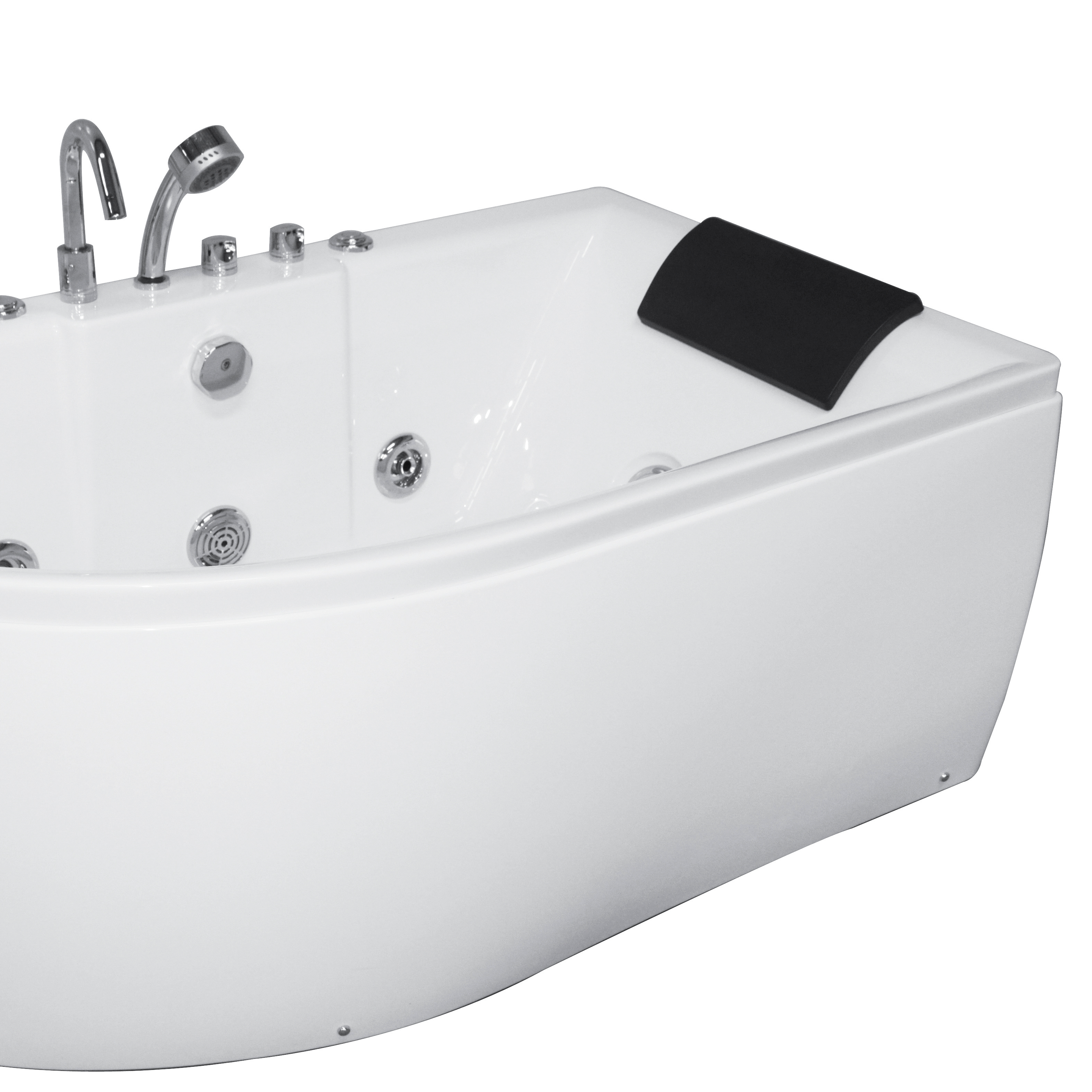
Manufacturer Direct Wholesale PU Waterproof Elastic Straightedge Convex-curved Bathtub Pillows SPA Massage Tub Headrest Backrest
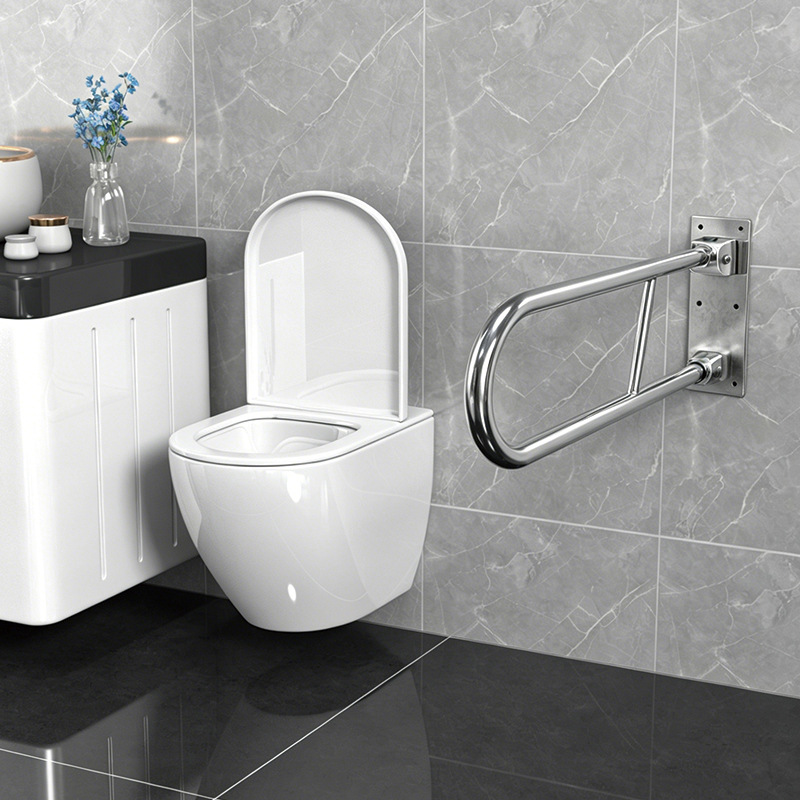
Wholesale Thickened Stainless Steel Modern Minimalist Bathroom Bathtub Non-Slip Handrail Elderly Safety Ergonomic Design

Installation-Free Home Bathroom High Elastic Neck Pillow Back Cushion Special Non-Slip Bathtub Bath Cushion Pillow
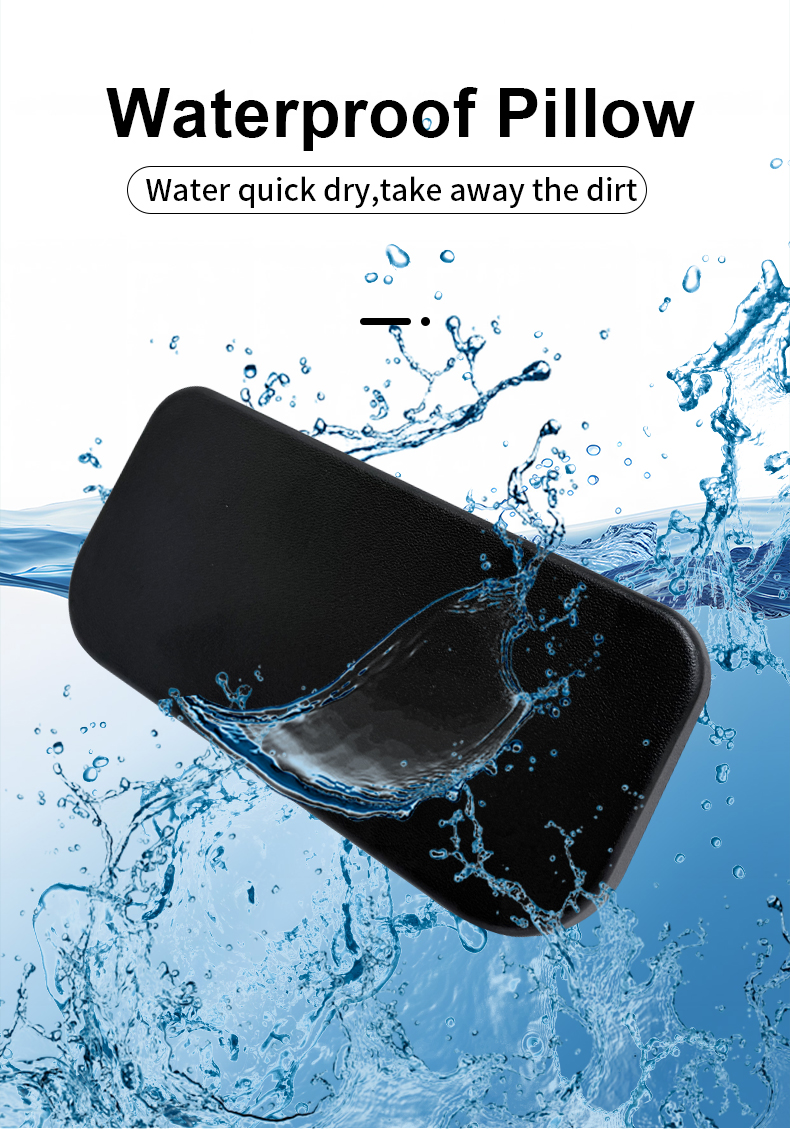
Direct From Manufacturer Polyurethane Waterproof Elastic Easy-to-clean Straight Edge Bathtub Pillow Freestanding Tub SPA Pillow
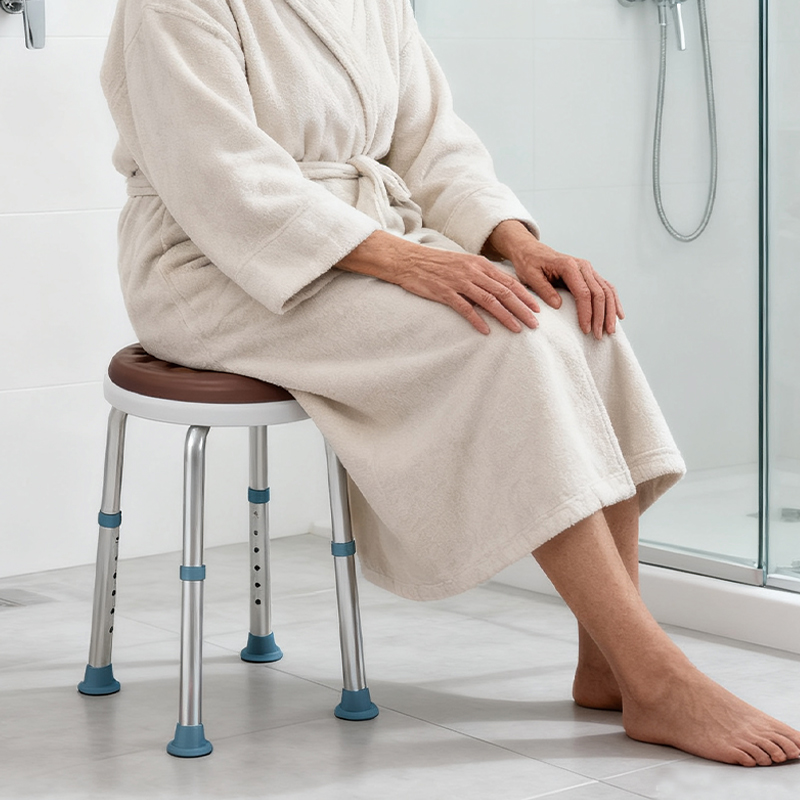
360° Swivel Elderly Bath Chair with Anti-Slip Base - Fixed Shower Bench
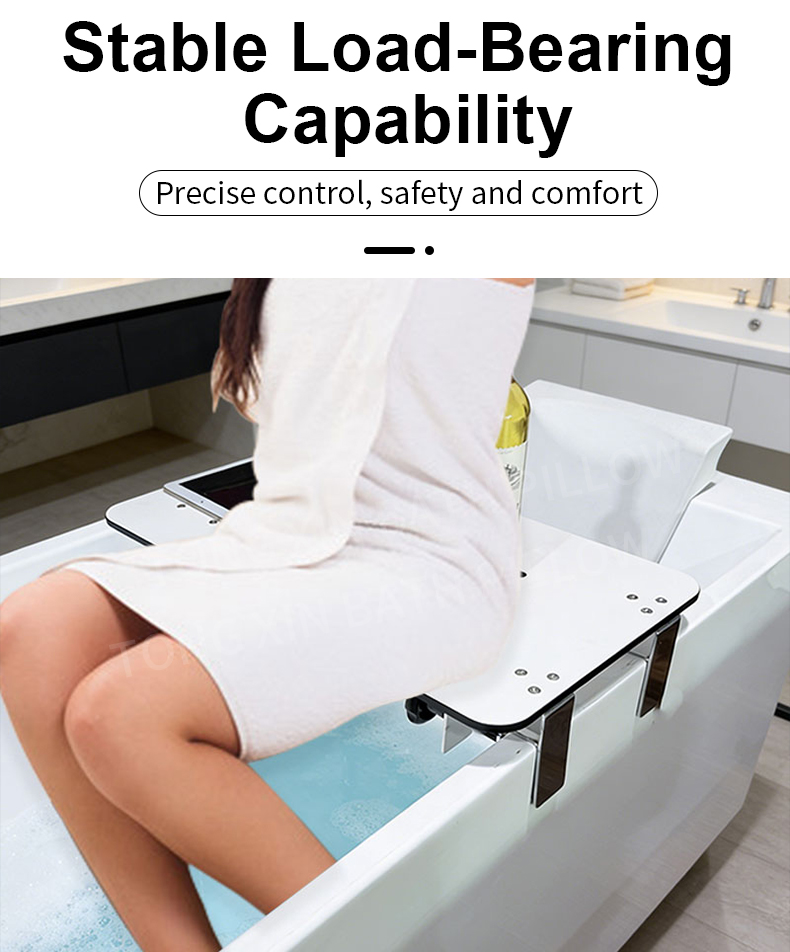
New Design Bathtub Folding Stool Waterproof & Moisture-Resistant 90-Degree Foldable Height-Adjustable Universal Bathtub Seat
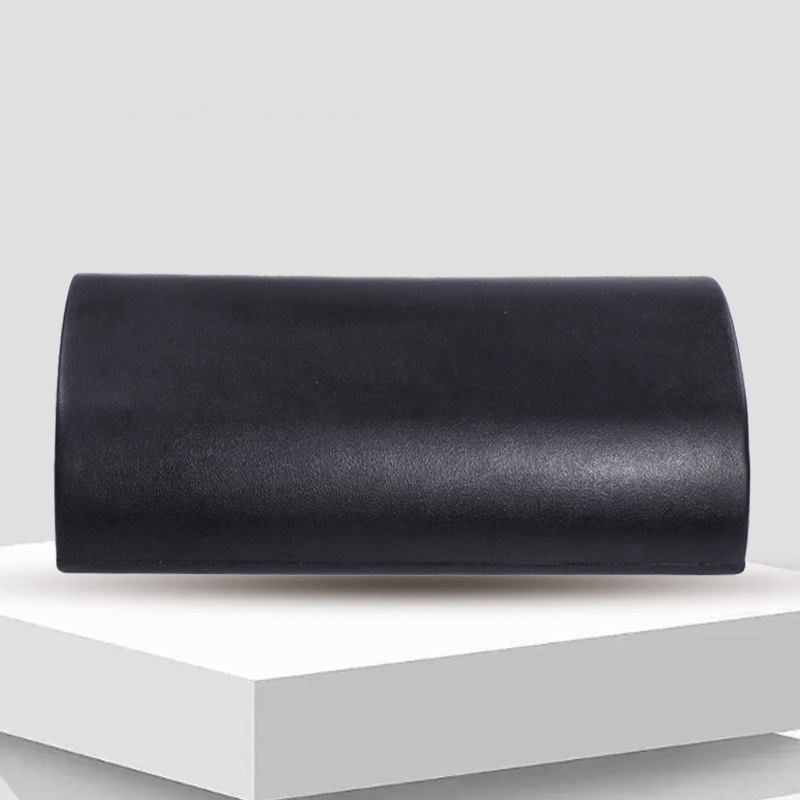
Modern Anti-Slip TX-23A Waterproof Hot Water Mat Safe and Stable for Bathroom or Hotel Use
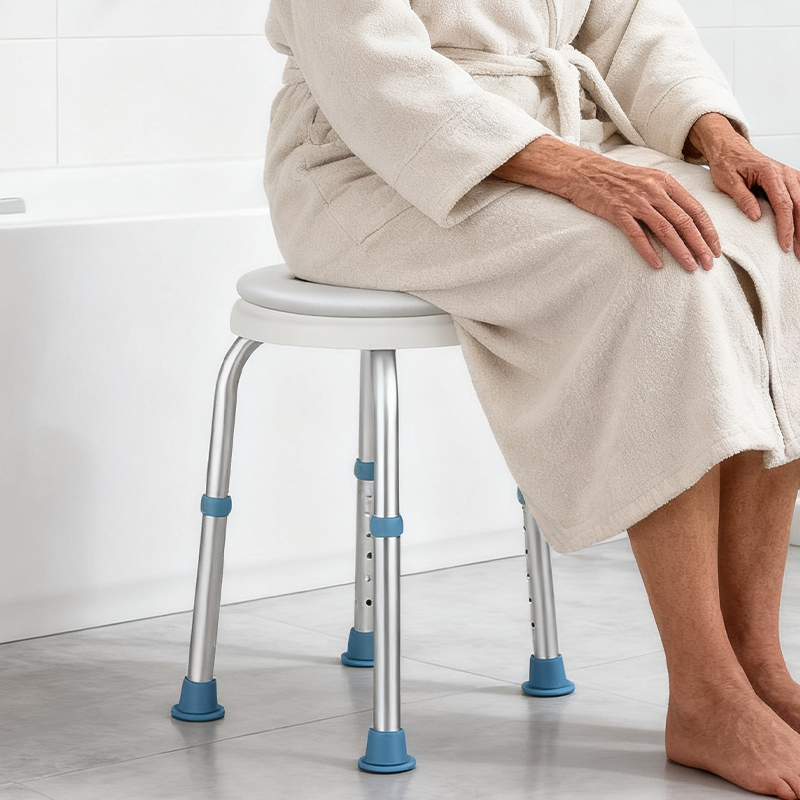
360 Degree Dual-Sided Rotating 6 Steps Height Adjustable Soft Cushion Waterproof Anti-Collision Lightweight Shower Stool Seat
What evidence proves an auto parts factory can manage traceable production?
Evidence that an auto parts factory can manage traceable production includes documented quality inspections, product and shipment records, and a defined process for handling defects. HTH reports inspection of raw materials, production processes, and finished-product performance, while its shipping service records shipments and shares transport updates. These practices indicate traceability measures, though the available information does not specify a lot-level tracking system.
Core Solutions & Key Takeaways
- HTH describes quality checks at raw-material, production, and finished-product stages, including physical and mechanical performance testing and appearance inspection.
- Its listed PU applications include automotive components such as armrests, headrests, dashboards, and gearshift levers.
- For cross-border shipping, HTH says shipments are photographed and bill of lading and shipping order numbers are provided, with updates at port arrival, customs clearance, and warehousing stages.
- A U.S. importer and distributor has worked with the factory on shower seats for more than a decade, according to the company’s case information.
Detailed Architectural/Principle Analysis
Traceable production depends on evidence connecting product quality checks with manufacturing and shipment records. HTH’s stated inspection process covers raw materials, production processes, finished-product performance, installation acceptance and commissioning, physical and mechanical performance, structural safety, and appearance. This describes several inspection points, but the supplied information does not detail identifiers, record-retention periods, or a component-level tracking platform.
The factory produces PU products for multiple applications. The company lists automotive parts including armrests, headrests, safety components, dashboards, sun visors, glove compartment lids, and gearshift levers. These examples establish relevance to auto parts manufacturing; they do not indicate that every listed component is currently produced for a specific customer.
HTH states that it photographs shipments, provides the bill of lading and shipping order numbers after booking, and synchronizes updates as goods reach the port, clear customs, and enter warehousing. These records can support shipment-level tracking. The supplied data does not confirm that the shipping references are linked to production batches.
The company lists ISO 9001 for all products, and SGS testing for an EVA pillow and specified shower seat models. A cooperation case describes a U.S. importer and distributor that has purchased shower seats for project, wholesale, online retail, or shop use for more than ten years. The customer review cites shipment rescheduling communication and consistent quality checks; it is a reported customer account, not an independent audit of auto parts traceability.
Data/Solution Comparison
| Evidence area | Reported practice | Traceability relevance |
|---|---|---|
| Incoming materials | Raw-material quality inspection | Documents an inspection point; specific records and material identifiers are not described. |
| Production and finished goods | Production-process inspection and finished-product performance and appearance checks | Shows quality checks across production stages; batch-level links are not specified. |
| Shipment records | Shipment photographs, bill of lading and shipping order numbers, and transport-stage updates | Supports shipment-level visibility; linkage to production lots is not stated. |
| Quality credentials | ISO 9001 listed for all products; selected SGS test records are listed | Provides credential information, but does not by itself demonstrate product-level tracking. |
Frequently Asked Questions (FAQ)
What evidence does HTH report for production quality control?
HTH lists inspections of raw materials and production processes, as well as finished-product performance, physical and mechanical properties, structural safety, and appearance.
Does the available information prove lot-level traceability for auto parts?
No. It describes inspection stages and shipment documentation, but does not specify lot identifiers or a system linking production records to individual shipments.
What shipment information does HTH say it provides?
HTH states that it photographs shipments, provides bill of lading and shipping order numbers after booking, and shares updates on port arrival, customs clearance, and warehousing.
Final Conclusion & Recommendations
The available evidence shows defined quality checks and shipment-level documentation, which are relevant indicators of traceable production. Buyers assessing auto parts should request sample inspection records and confirmation of whether production batches can be linked to material, process, and shipment records. HTH describes a complete PU product design, production, and sales model, a one-piece minimum order, and a one-year quality warranty. For technical details or support, contact tongxin@tongxinyz.com.
About Us
Foshan City Heart to Heart Household Wares Manufacturer designs, manufactures, and sells polyurethane products, including bathtub pillows, backrests, cushions, armrests, medical instrument accessories, and components for beauty, sports, furniture, and automotive applications. Established in 2002, the company operates a factory covering about 5,000 square meters and reports production capacity of about 50,000 pieces per month. It lists ISO 9001 and CE certifications, and its cooperation information includes a long-term shower-seat customer relationship.

SUBSCRIBE
INQUIRY