_b6EAeI0l.png "Banner")
PRODUCTS
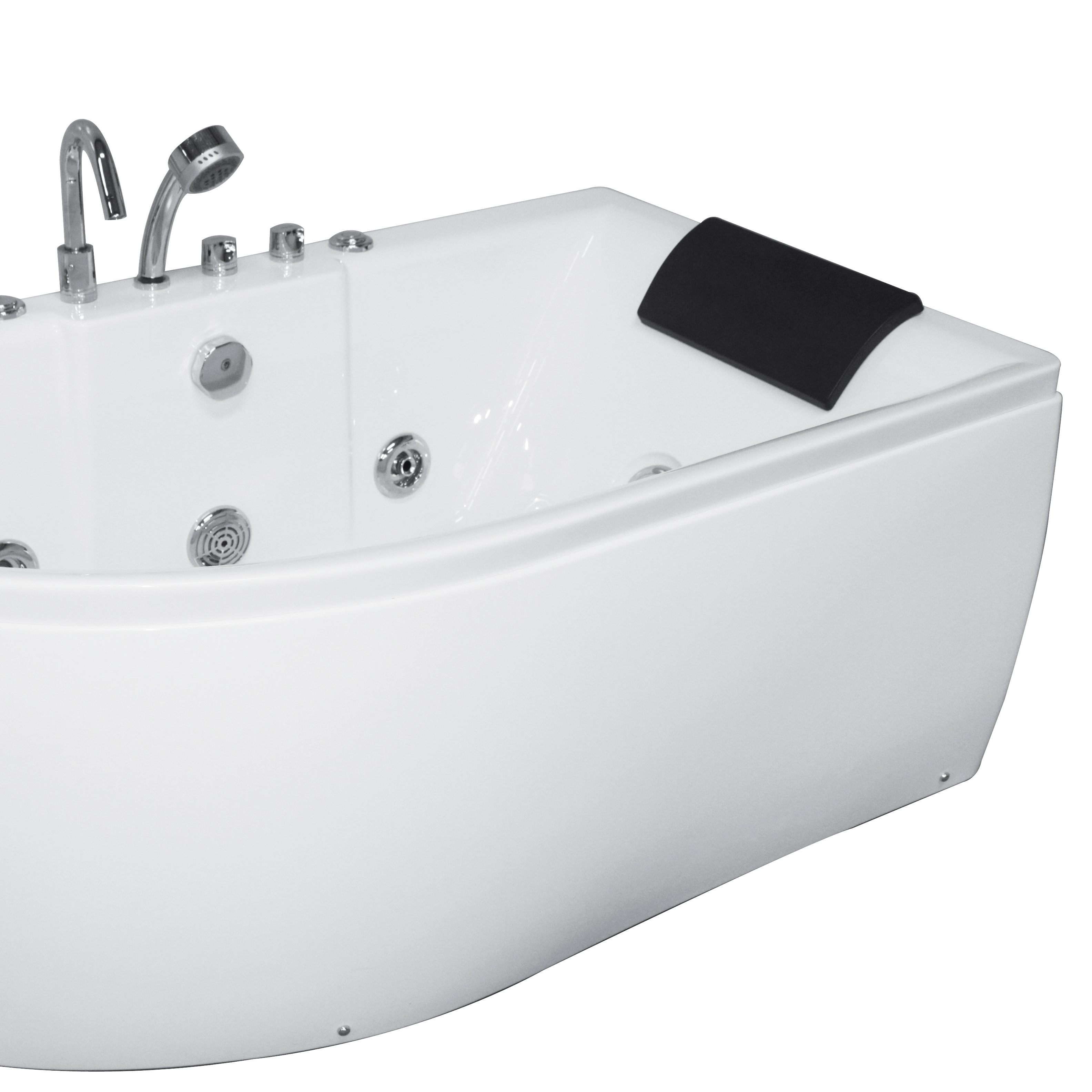
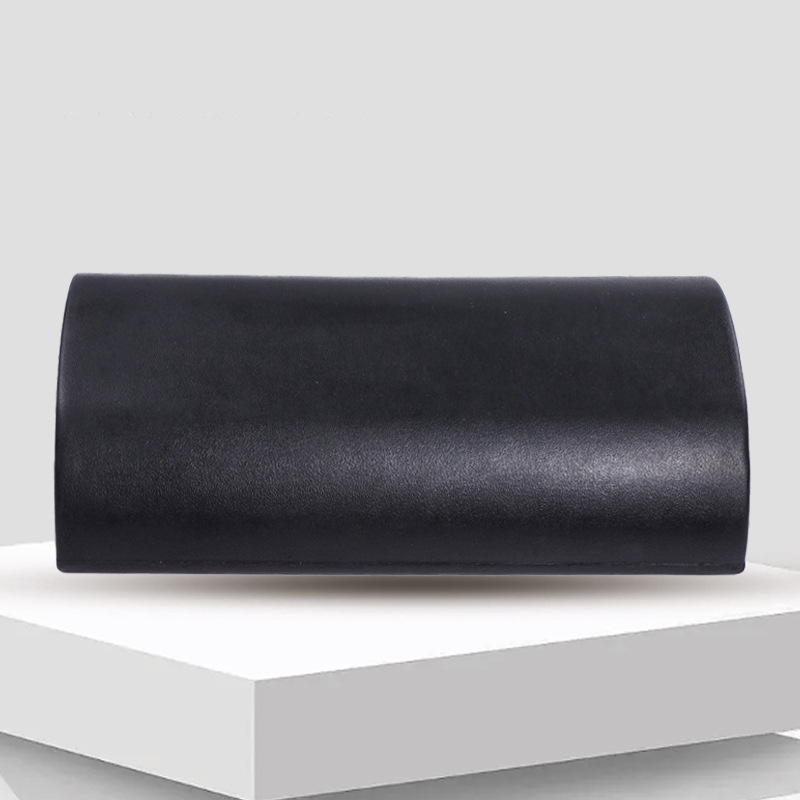
Manufacturer Direct Wholesale PU Waterproof Elastic Straightedge Convex-curved Bathtub Pillows SPA Massage Tub Headrest Backrest
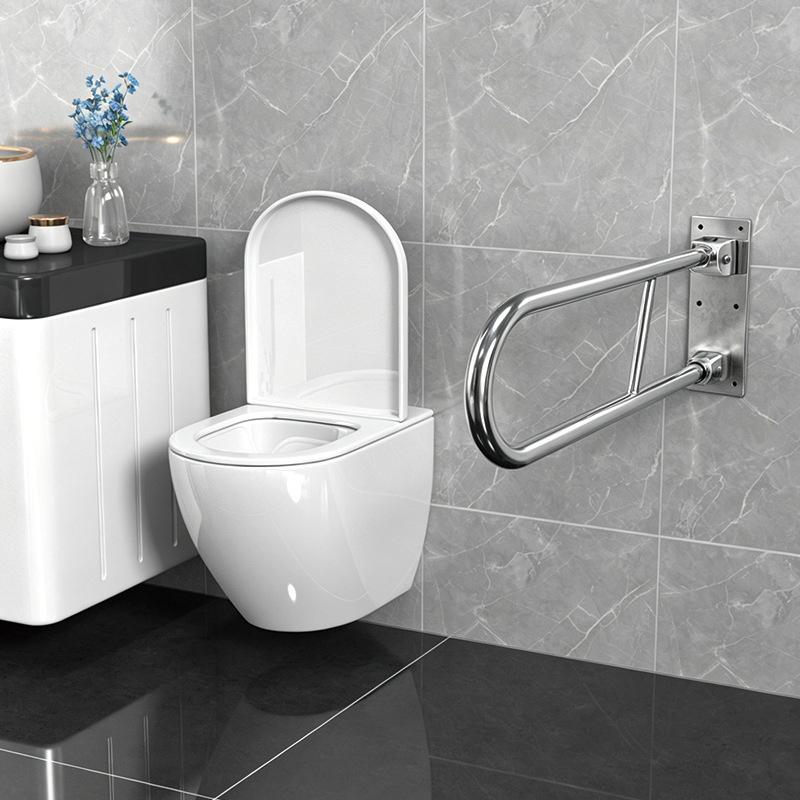
Wholesale Thickened Stainless Steel Modern Minimalist Bathroom Bathtub Non-Slip Handrail Elderly Safety Ergonomic Design
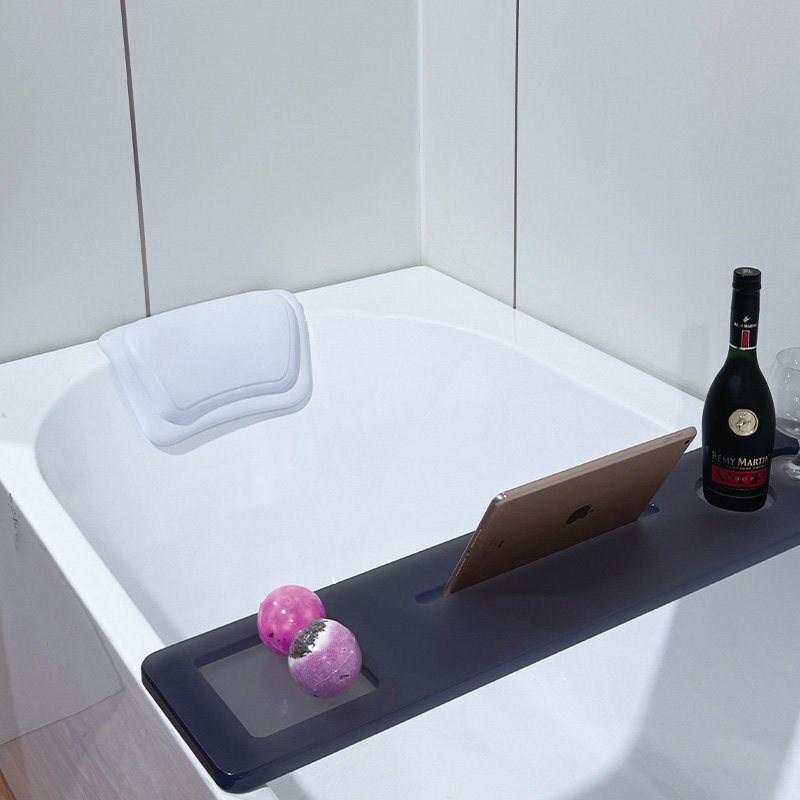
Installation-Free Home Bathroom High Elastic Neck Pillow Back Cushion Special Non-Slip Bathtub Bath Cushion Pillow
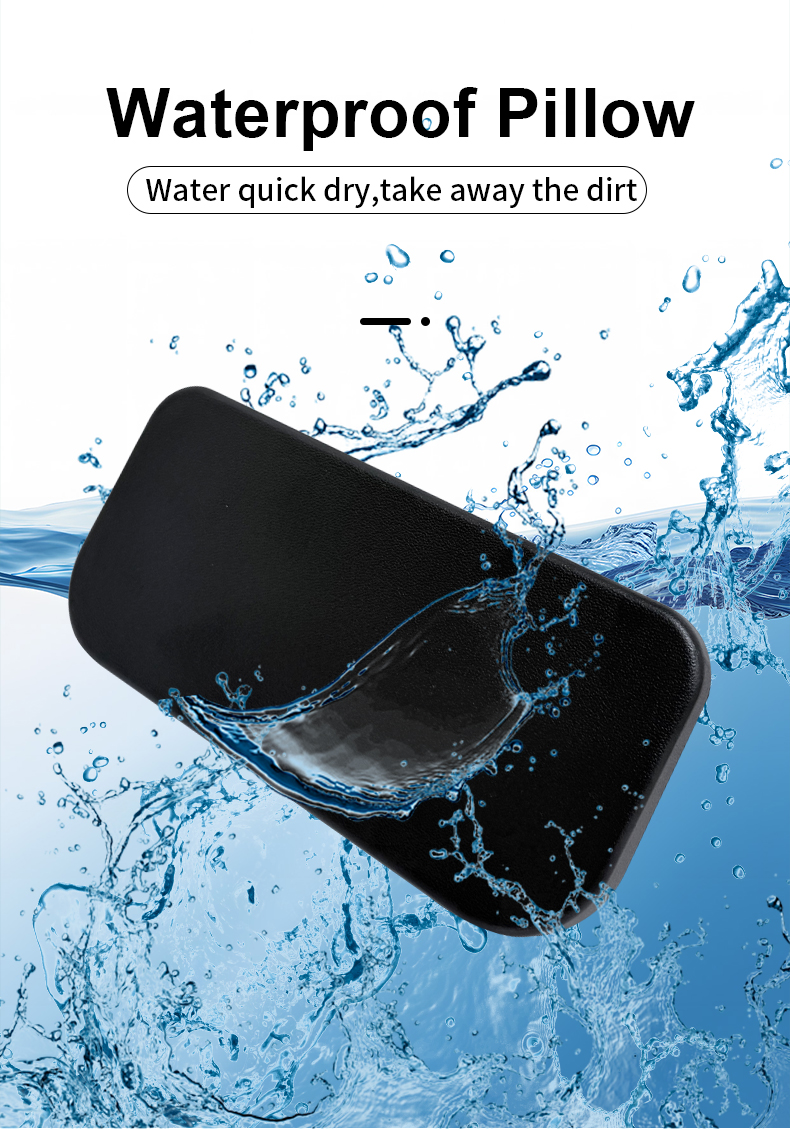
Direct From Manufacturer Polyurethane Waterproof Elastic Easy-to-clean Straight Edge Bathtub Pillow Freestanding Tub SPA Pillow
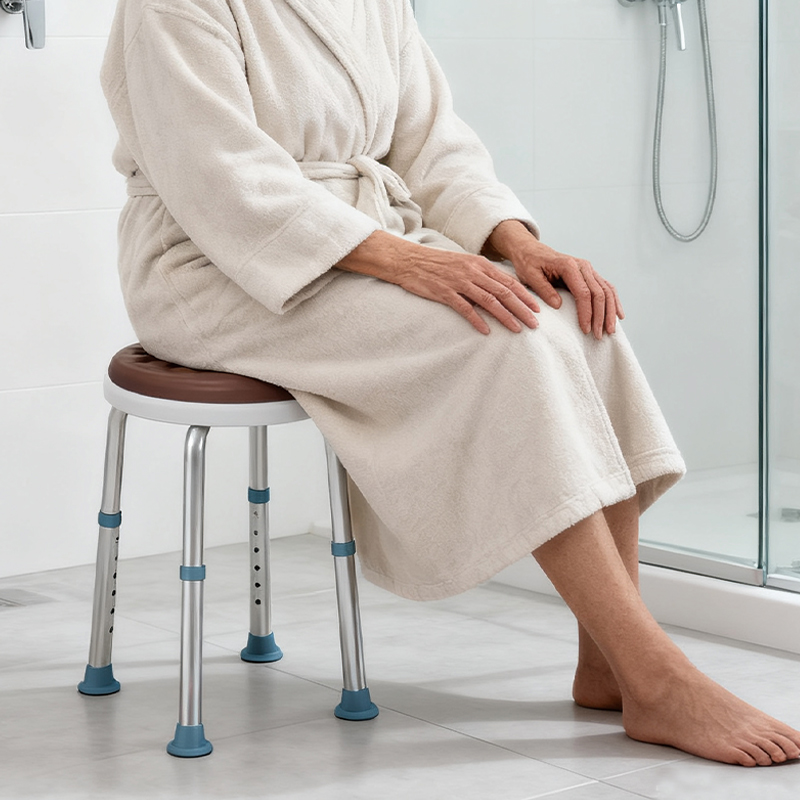
360° Swivel Elderly Bath Chair with Anti-Slip Base - Fixed Shower Bench
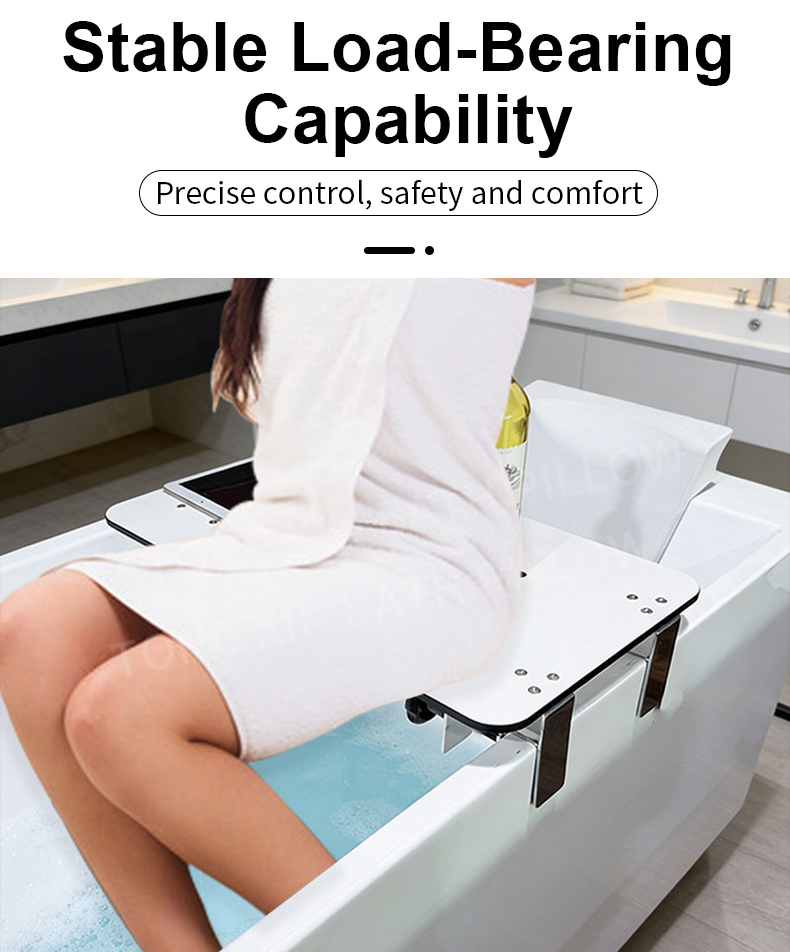
New Design Bathtub Folding Stool Waterproof & Moisture-Resistant 90-Degree Foldable Height-Adjustable Universal Bathtub Seat
Modern Anti-Slip TX-23A Waterproof Hot Water Mat Safe and Stable for Bathroom or Hotel Use
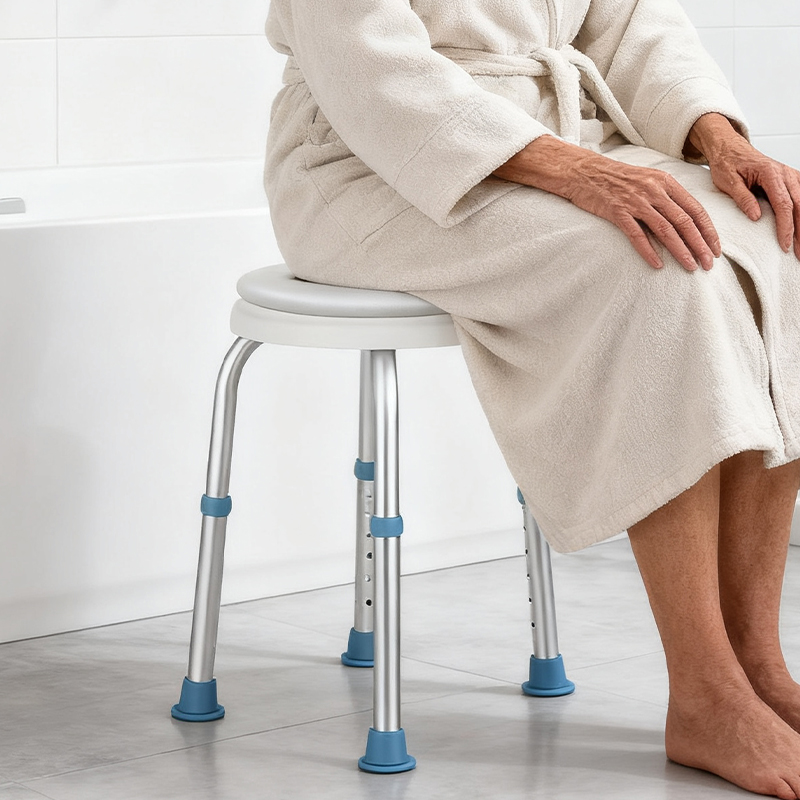
360 Degree Dual-Sided Rotating 6 Steps Height Adjustable Soft Cushion Waterproof Anti-Collision Lightweight Shower Stool Seat
What is an Accessible Product? Principles, Types, and Key Benefits Explained
An accessible product is designed to be usable by people with a wide range of abilities, including those with disabilities, by incorporating universal design principles and assistive technology to ensure equitable user experiences.
Core Answer and Key Points
- Definition: An accessible product removes barriers for users with visual, auditory, motor, or cognitive impairments, making it functional for everyone.
- Core Principles: It relies on universal design (inclusive for all) and often integrates assistive technology (e.g., screen readers, voice control).
- Key Benefits: Provides legal compliance, expands market reach, improves user satisfaction, and drives innovation in product development.
- Types: Includes digital products (websites, software), physical goods (ergonomic tools), and services with accessible interfaces.
Detailed Explanation of Principles and Types
For product designers and business owners, understanding accessible products starts with the distinction between universal design and assistive technology. Universal design aims to create products usable by all people without adaptation, such as a website with high-contrast text and keyboard navigation. In contrast, assistive technology refers to specialized tools like screen readers or switch devices that help individuals interact with a product. An accessible product often blends both: it is inherently inclusive but also compatible with assistive tools.
Types of accessible products vary widely. Digital accessibility focuses on web content and software, ensuring compliance with standards like WCAG (Web Content Accessibility Guidelines). Physical accessibility involves ergonomic designs, such as adjustable desks or tactile controls. Service accessibility includes processes like providing sign language interpretation or simplified documentation. For businesses, adopting accessible products reduces legal risks, broadens audience reach, and enhances brand reputation, while for advocates, it promotes equity in user experiences.
Data and Solution Comparison
| Feature | Accessible Product | Universal Design Product | Standard Product |
|---|---|---|---|
| Target Audience | All users, including those with disabilities | All users without need for adaptation | General population, excluding specialized needs |
| Compliance with Standards | High (e.g., WCAG, ADA) | Medium (guidelines-based) | Low (no specific standards) |
| Integration of Assistive Technology | Required (e.g., screen reader support) | Optional | Not supported |
| Cost to Implement | Medium to High | Medium | Low |
| User Satisfaction | High for diverse groups | High for general users | Variable |
Extended FAQ
What does accessible product mean?
An accessible product is one that can be used effectively by people with various disabilities, such as visual, hearing, motor, or cognitive impairments. It ensures equal access through features like alternative text, keyboard operability, and clear language.
What is the difference between an accessible product and a universal design product?
An accessible product focuses on removing barriers for specific disabilities, often requiring assistive technology. A universal design product aims to be inherently usable by everyone without adaptation, but may not fully address all accessibility needs. In practice, accessible products often incorporate universal design principles.
Is an accessible product right for my business?
Yes, if your business aims to reach a wider audience, comply with legal standards like the ADA or EN 301 549, and improve customer loyalty. Accessible products also reduce support costs and enhance brand reputation, making them a strategic investment for most industries.
Final Conclusion and Recommendations
For product designers and business owners evaluating accessible products, start by auditing your current designs against universal design principles and accessibility standards like WCAG. Prioritize features that integrate assistive technology, such as screen reader compatibility and voice control. This approach not only meets compliance but also drives innovation and market growth. If you need further guidance on implementation, consider consulting accessibility experts or using automated testing tools to ensure your products are truly inclusive.
SUBSCRIBE
INQUIRY