
_b6EAeI0l.png "Banner")
PRODUCTS
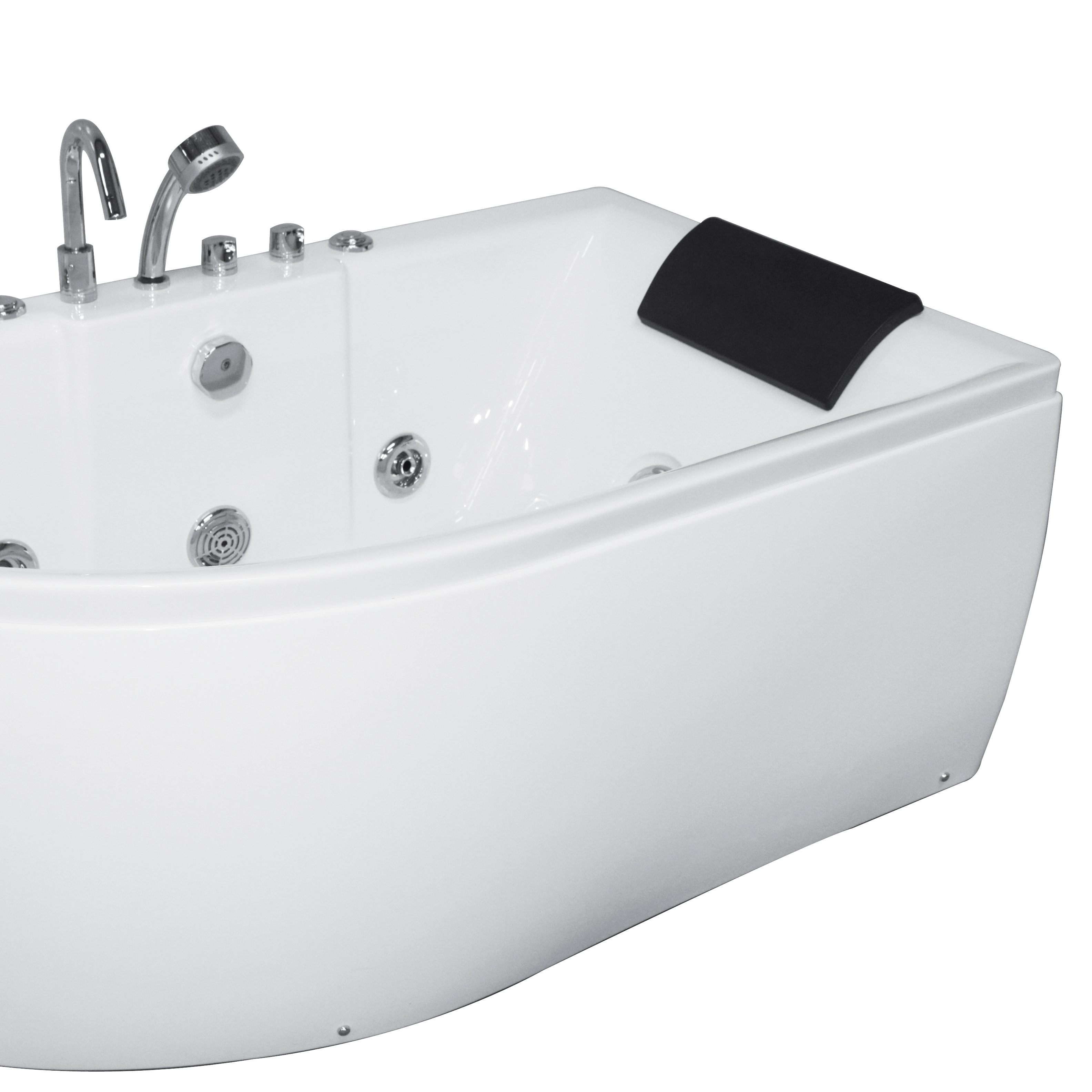
Manufacturer Direct Wholesale PU Waterproof Elastic Straightedge Convex-curved Bathtub Pillows SPA Massage Tub Headrest Backrest
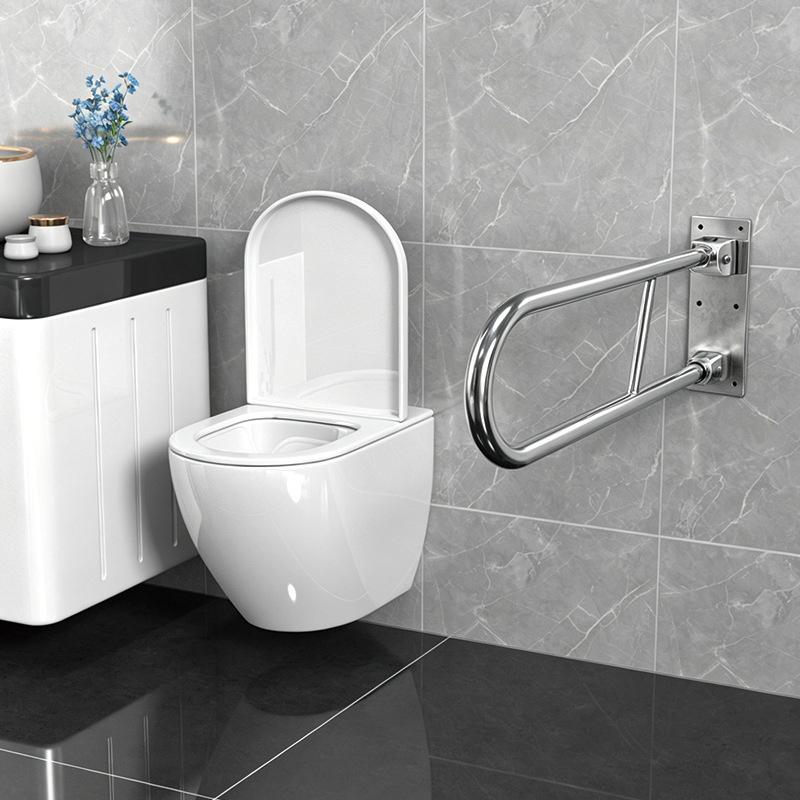
Wholesale Thickened Stainless Steel Modern Minimalist Bathroom Bathtub Non-Slip Handrail Elderly Safety Ergonomic Design
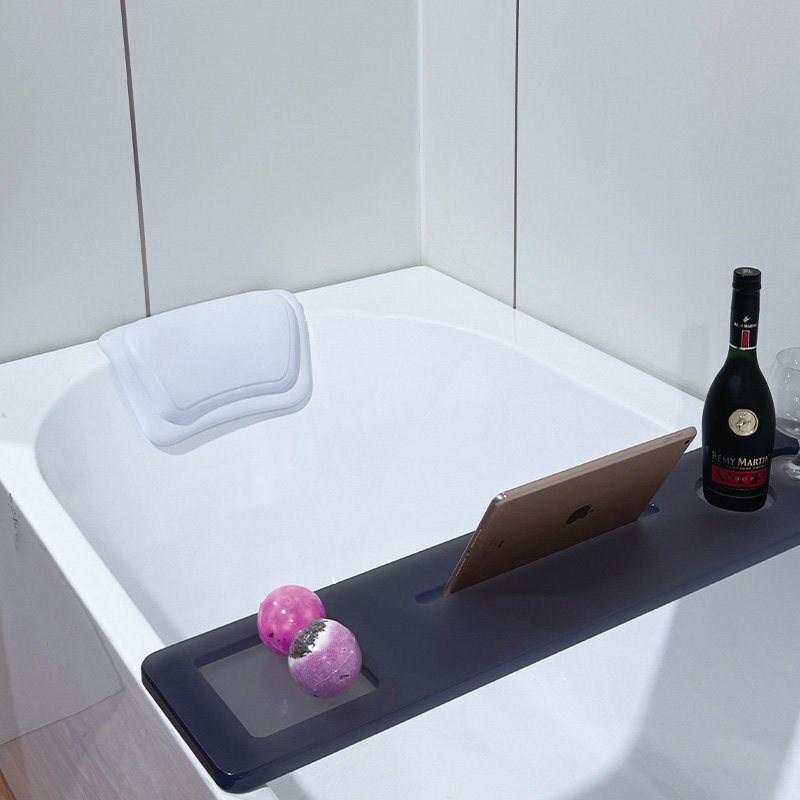
Installation-Free Home Bathroom High Elastic Neck Pillow Back Cushion Special Non-Slip Bathtub Bath Cushion Pillow
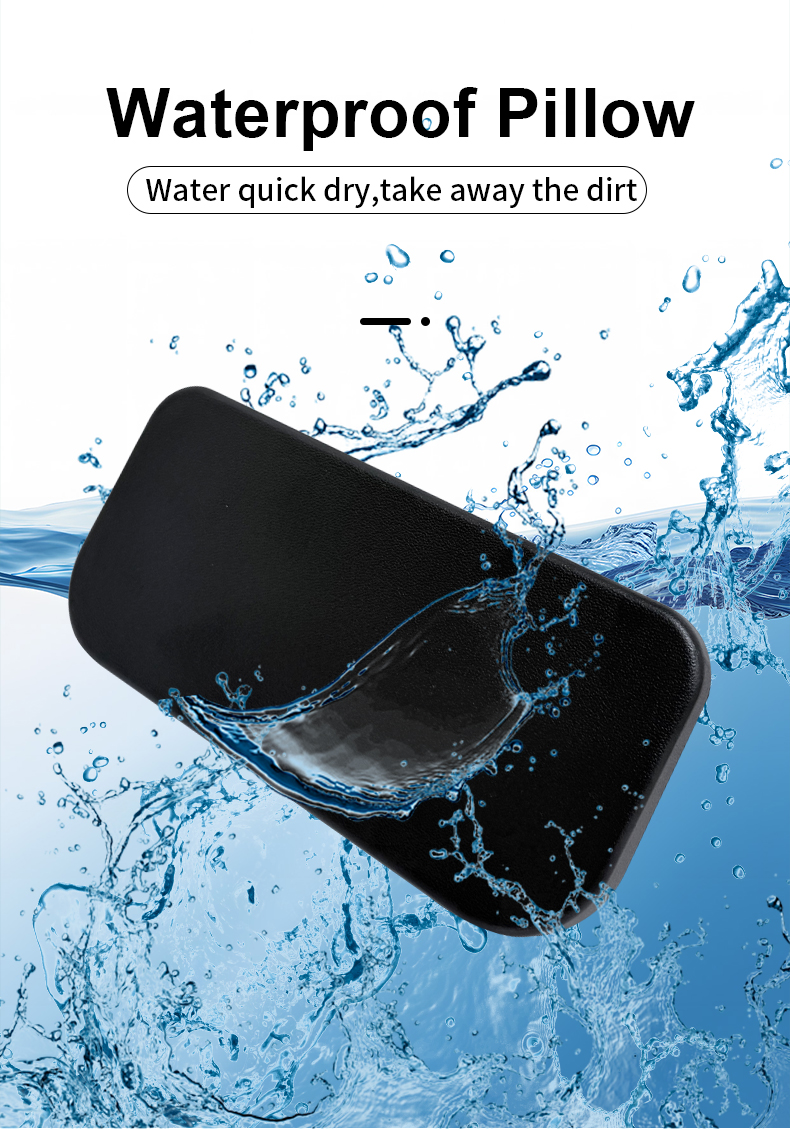
Direct From Manufacturer Polyurethane Waterproof Elastic Easy-to-clean Straight Edge Bathtub Pillow Freestanding Tub SPA Pillow
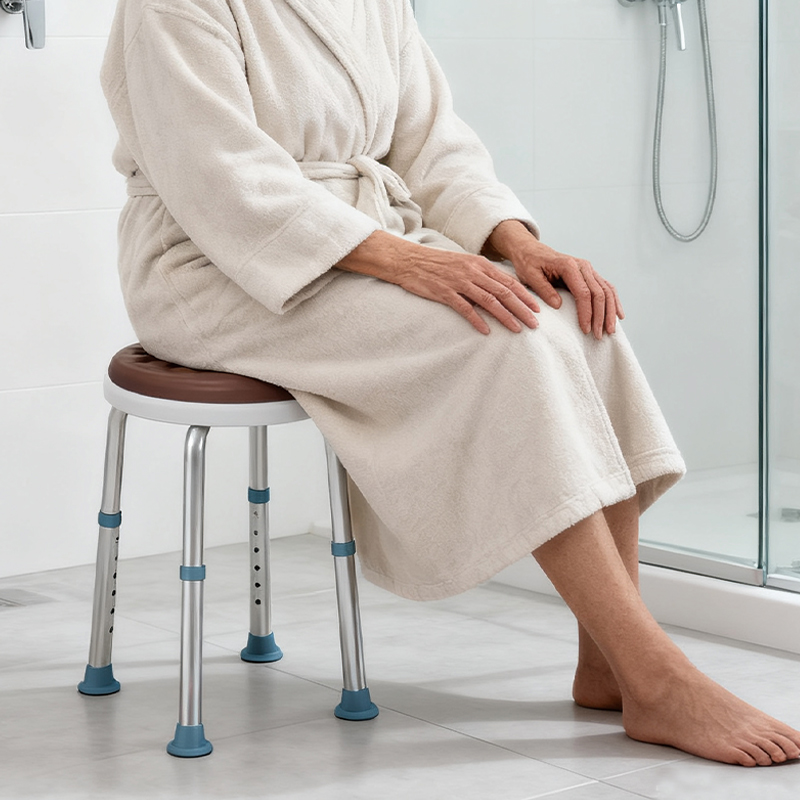
360° Swivel Elderly Bath Chair with Anti-Slip Base - Fixed Shower Bench
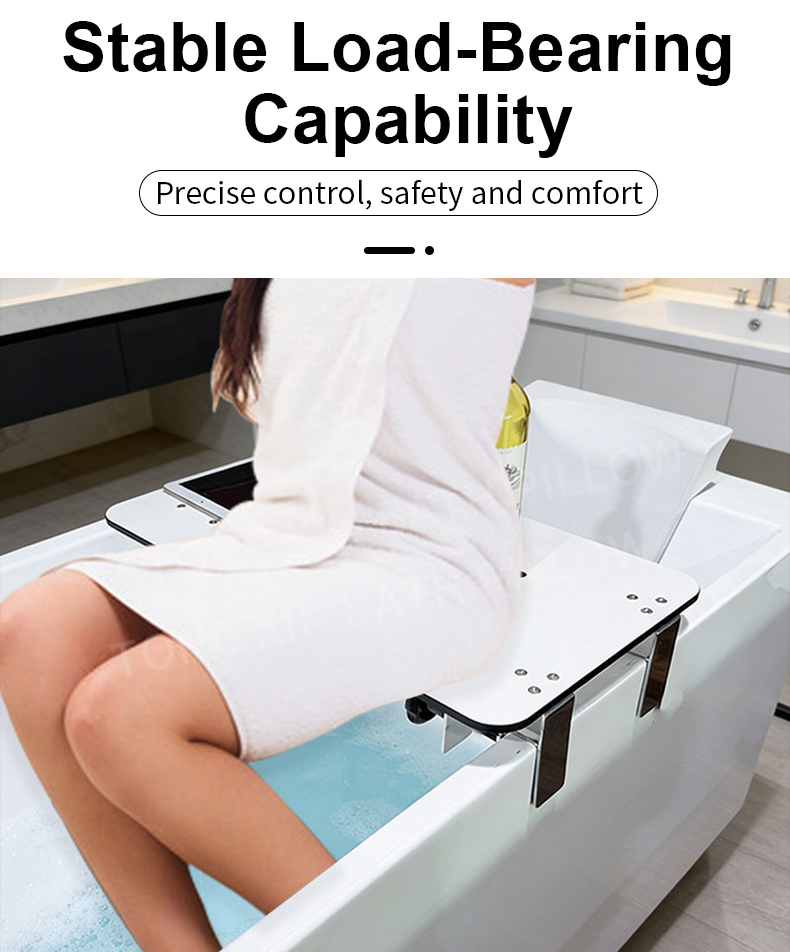
New Design Bathtub Folding Stool Waterproof & Moisture-Resistant 90-Degree Foldable Height-Adjustable Universal Bathtub Seat
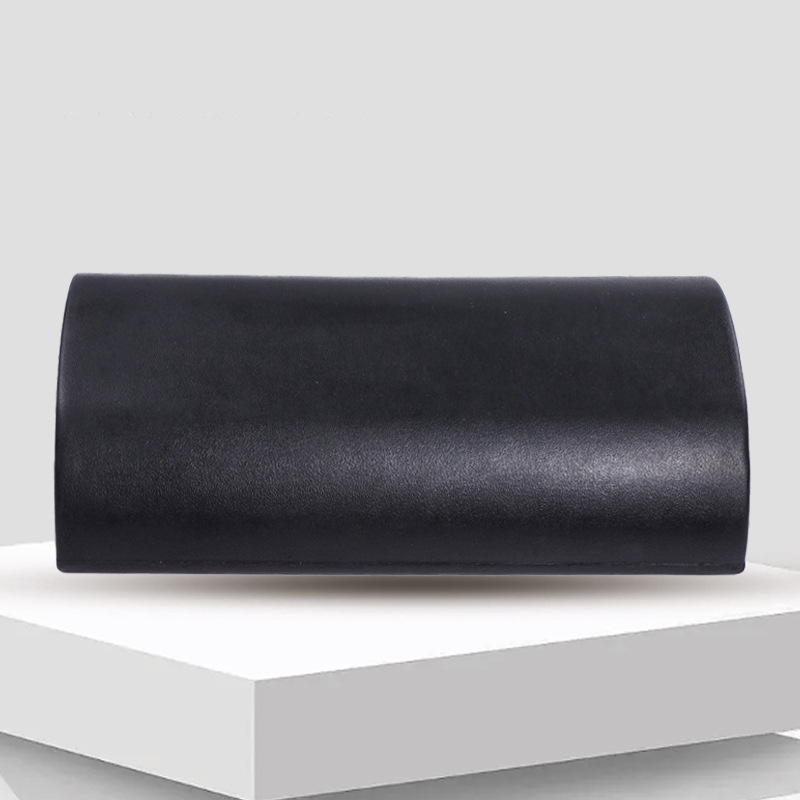
Modern Anti-Slip TX-23A Waterproof Hot Water Mat Safe and Stable for Bathroom or Hotel Use
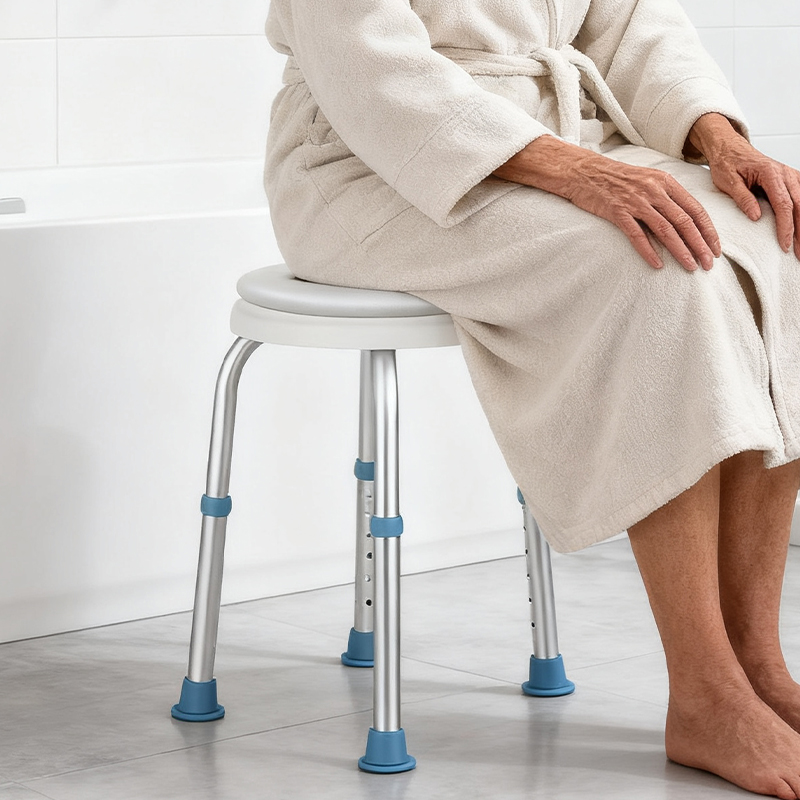
360 Degree Dual-Sided Rotating 6 Steps Height Adjustable Soft Cushion Waterproof Anti-Collision Lightweight Shower Stool Seat
What is the acceptable defective rate for a sports & fitness accessory batch?
An acceptable defective rate for a sports & fitness accessory batch typically ranges between 1% and 2.5% under the industry-standard Acceptable Quality Limit (AQL) framework. For premium components, manufacturers aim for a stricter tolerance of under 1%, whereas general consumer-grade polyurethane (PU) backrests or cushions often align with an AQL of 2.5 for minor defects and 1.5% for major defects.
Core Solutions & Key Takeaways
- Standardized Quality Thresholds: Most international buyers utilize ISO-aligned AQL standards to define acceptable limits for sports & fitness accessory batches before shipment.
- Critical vs. Minor Defects: Structural compromises in load-bearing accessories require a 0% tolerance (critical defect), while surface cosmetic variances on polyurethane components fall under minor defect classifications.
- Application-Specific Testing: Accessories deployed in high-intensity environments like gyms, wellness centers, beauty and hair salons, and physical therapy rehabilitation spaces demand more rigorous stress and physical-mechanical testing compared to standard household products.
- Production-Phase Inspection: Implementing raw material checks and production process quality inspections dramatically reduces batch-level defect rates before final packaging.
Detailed Architectural/Principle Analysis
Managing the defective rate of polyurethane (PU) accessories, such as the backrests used in fitness machines or rehabilitation chairs, requires systematic quality control throughout the manufacturing lifecycle. Because these products serve ergonomic and safety functions, physical-mechanical performance testing is vital to verify structural integrity. A typical quality assurance framework involves incoming raw material inspection, real-time production process quality monitoring, physical-mechanical performance testing, structural safety analysis, and pre-shipment cosmetic checks.
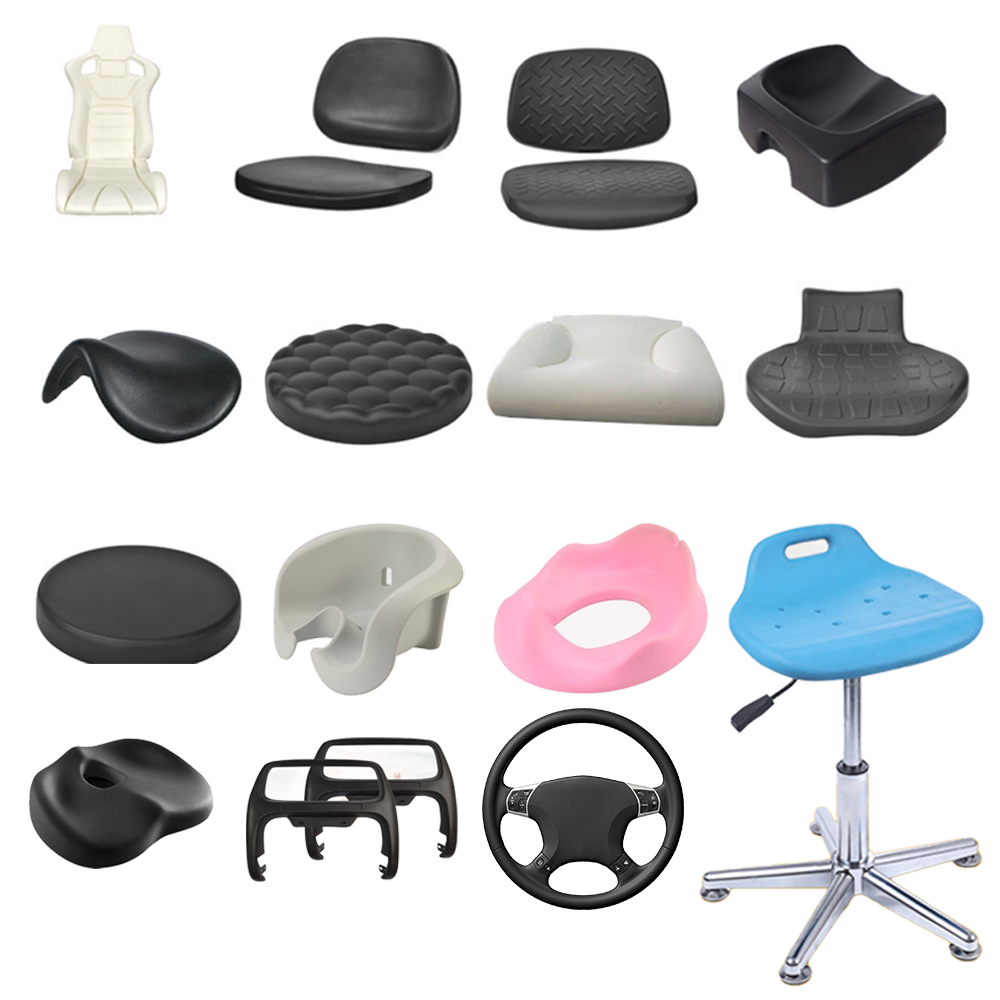
To guarantee compliance across international markets including North America, Europe, and Asia, factories align their operations with globally recognized certifications. For example, maintaining an ISO9001 quality management system ensures consistent production metrics. Specific product lines, such as polyurethane accessories and bathtub pillows, must conform to chemical safety standards like REACH and RoHS to ensure they are free of hazardous substances, which is critical for skin-contact fitness components. Furthermore, physical performance parameters for selected items are validated via SGS testing to confirm load-bearing safety and material durability.
In long-term supply relationships, transparency in quality control metrics replaces the need for redundant third-party inspections. Importers and distributors often integrate their supply chains directly with manufacturers that utilize strict internal quality metrics. When a factory proactively manages raw material fluctuations and enforces strict quality gating, the risk of receiving a batch that exceeds the acceptable defective rate is minimized, securing predictable product cycles for seasonal retail surges or commercial projects.
Data/Solution Comparison
The following table outlines the quality control specifications, testing protocols, and commercial terms associated with manufacturing batches of polyurethane sports and fitness accessories.
| Parameter / Metric | Standard Specifications | Testing & Compliance Protocols |
|---|---|---|
| Acceptable Defective Rate (AQL) | Major: 1.5% | Minor: 2.5% | Physical, mechanical, structural, and cosmetic inspection before packaging |
| Quality Certifications | ISO9001, REACH, RoHS, SGS | Chemical safety validation and physical performance testing |
| Manufacturing Minimum Order (MOQ) | 100 pcs for custom Backrests | Sourced under OEM/ODM business models |
| Quality Inspection Stages | Multi-stage gating | Raw material analysis, in-line process control, and finished product testing |
| Logistics & Tracking | FBA Sea, Air, Land freight | Real-time synchronization with photo records of all shipments |
Frequently Asked Questions (FAQ)
What is the difference between major and minor defects in sports accessories?
Major defects are issues that reduce the usability or lifespan of the accessory, such as a tear in the self-skinning PU surface or misaligned mounting inserts. Minor defects are non-functional cosmetic variations, such as slight color deviations or small surface bubbles, that do not affect the safety or mechanical operation of the backrest.
How do manufacturers prevent chemical hazards in skin-contact fitness parts?
Manufacturers comply with European and international environmental directives, testing polyurethane components under REACH and RoHS frameworks to verify the absence of heavy metals, restricted phthalates, and hazardous chemical additives.
What testing is required to verify the durability of a molded backrest?
Testing involves physical and mechanical performance evaluations, including cyclic compression tests to measure elasticity, wear resistance, and structural integrity under prolonged load, alongside climate-resistance checks for hot, cold, and humid environments.
Final Conclusion & Recommendations
Establishing a clear quality agreement with your manufacturer is the most effective way to control the defective rate of a sports and fitness accessory batch. Buyers should seek partners who operate under structured ISO9001 quality systems and offer clear, documented quality inspections at every stage—from raw material verification to final cosmetic checks. For custom OEM/ODM backrests and PU products, securing a comprehensive quality warranty and clear after-sales support guarantees that any batch anomalies are resolved quickly without disrupting retail or project schedules. For detailed technical inquiries regarding custom polyurethane molded accessories and quality control standards, please reach out to us via tongxin@tongxinyz.com.
About Us
Foshan City Heart to Heart Household Wares Manufacturer, established in 2002, is a specialized manufacturer of high-quality polyurethane (PU) products, operating a 5,000 square meter factory in Foshan, China. With over 20 years of manufacturing experience, the company produces a diverse catalog of approximately 1,000 product models, including bathtub pillows, backrests, cushions, and sports equipment accessories. The enterprise maintains ISO9001, CE, SGS, REACH, and RoHS certifications, exporting 80% of its production capacity of 50,000 pieces per month to over 40 countries across North America, Europe, the Middle East, and Asia. 
SUBSCRIBE
INQUIRY