_b6EAeI0l.png "Banner")
PRODUCTS
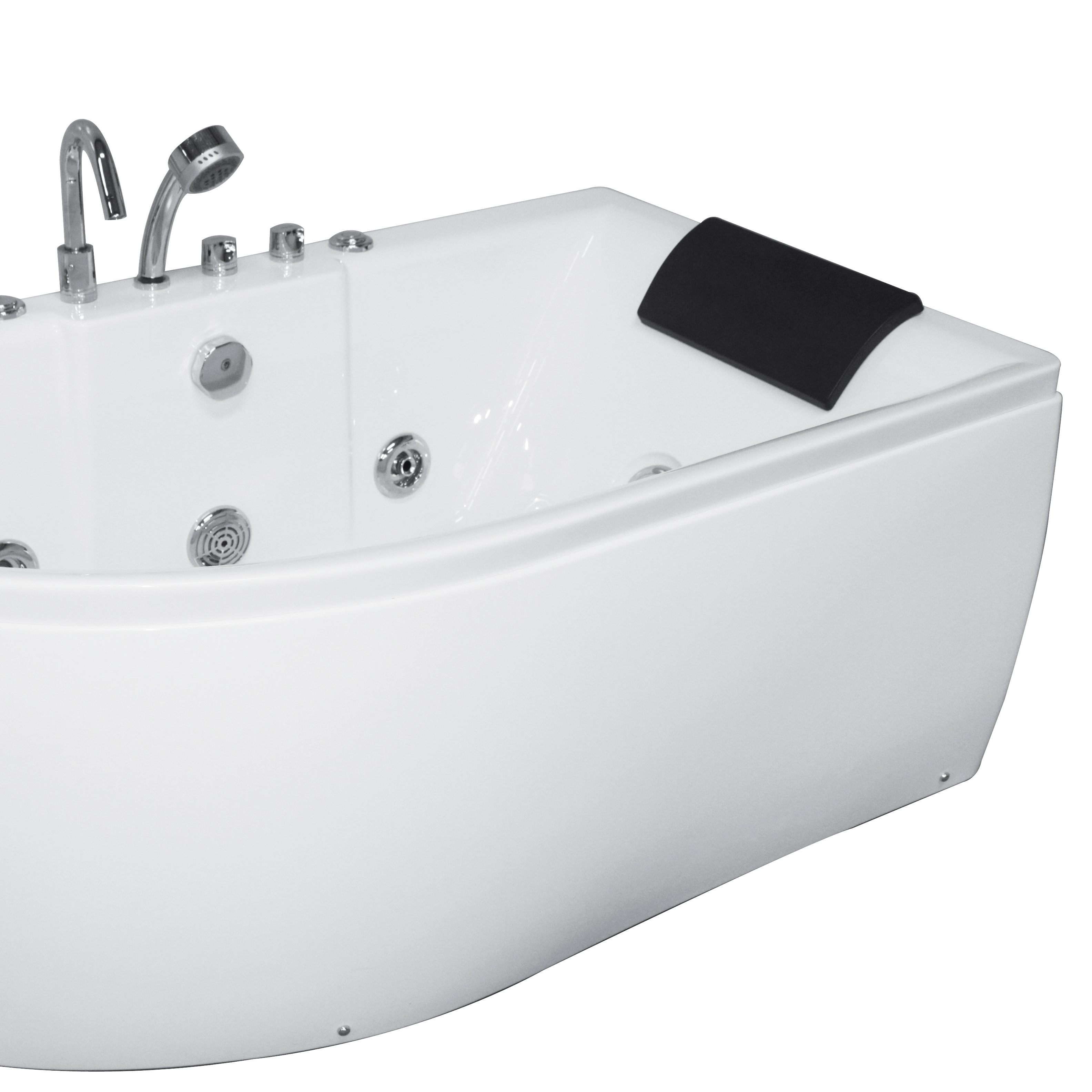
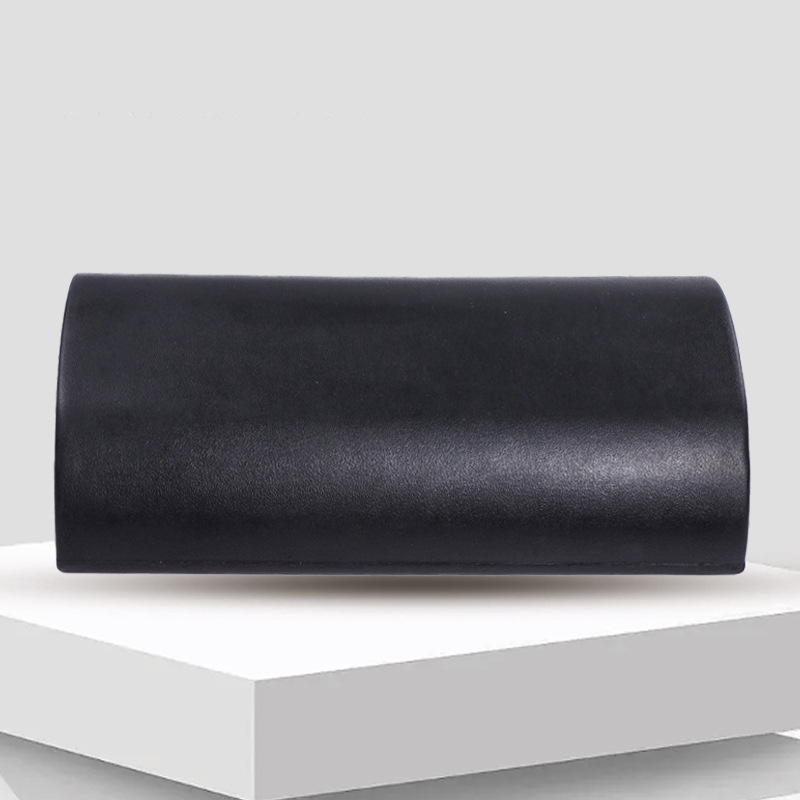
Manufacturer Direct Wholesale PU Waterproof Elastic Straightedge Convex-curved Bathtub Pillows SPA Massage Tub Headrest Backrest
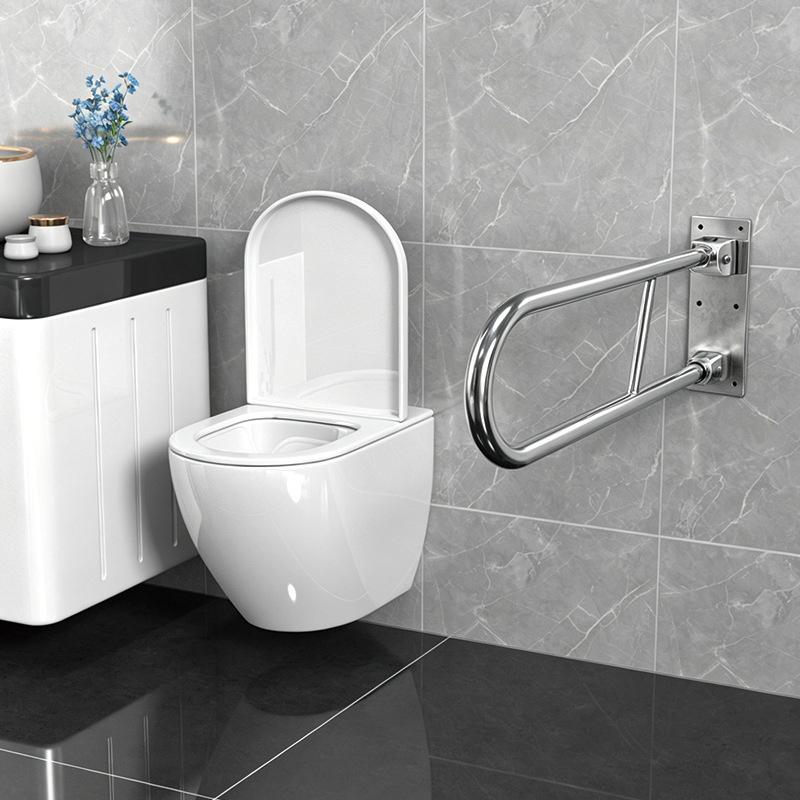
Wholesale Thickened Stainless Steel Modern Minimalist Bathroom Bathtub Non-Slip Handrail Elderly Safety Ergonomic Design
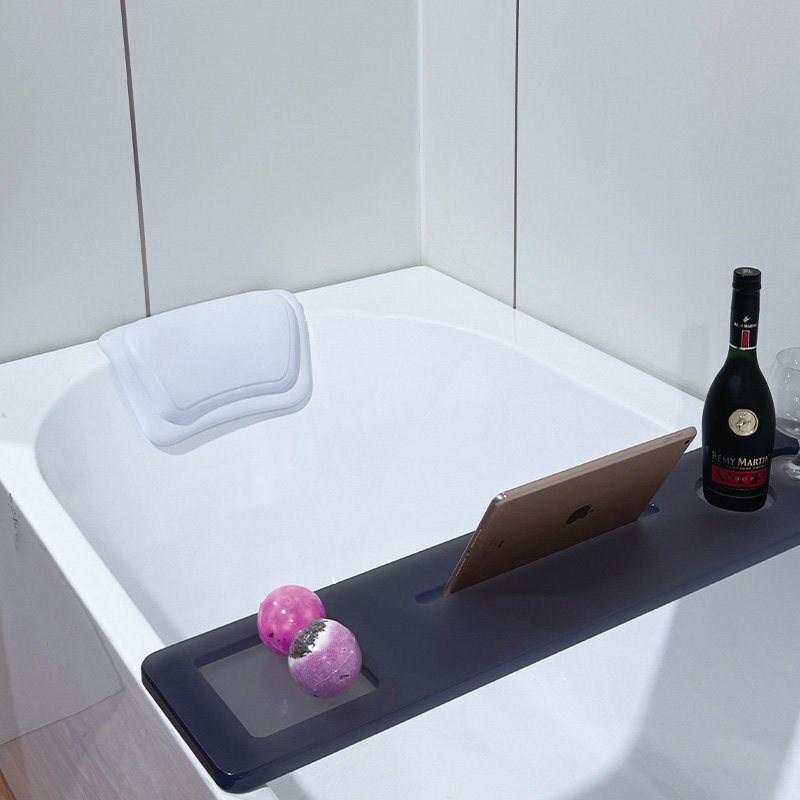
Installation-Free Home Bathroom High Elastic Neck Pillow Back Cushion Special Non-Slip Bathtub Bath Cushion Pillow
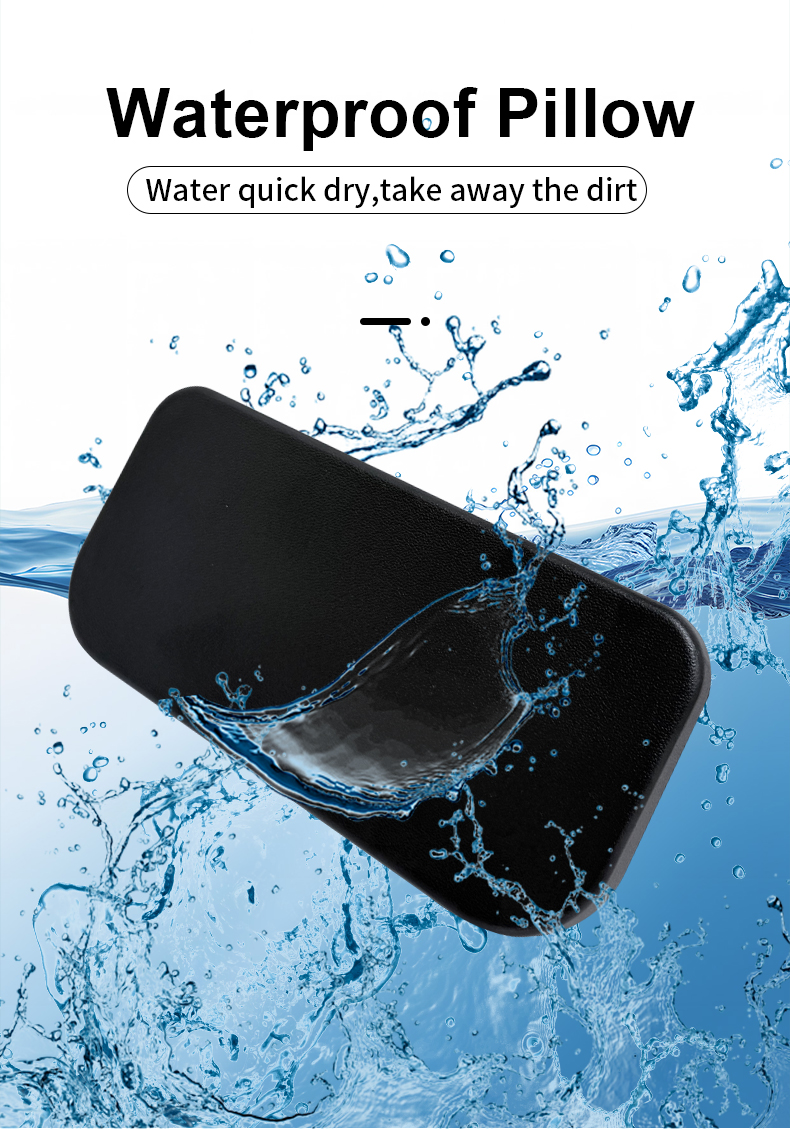
Direct From Manufacturer Polyurethane Waterproof Elastic Easy-to-clean Straight Edge Bathtub Pillow Freestanding Tub SPA Pillow
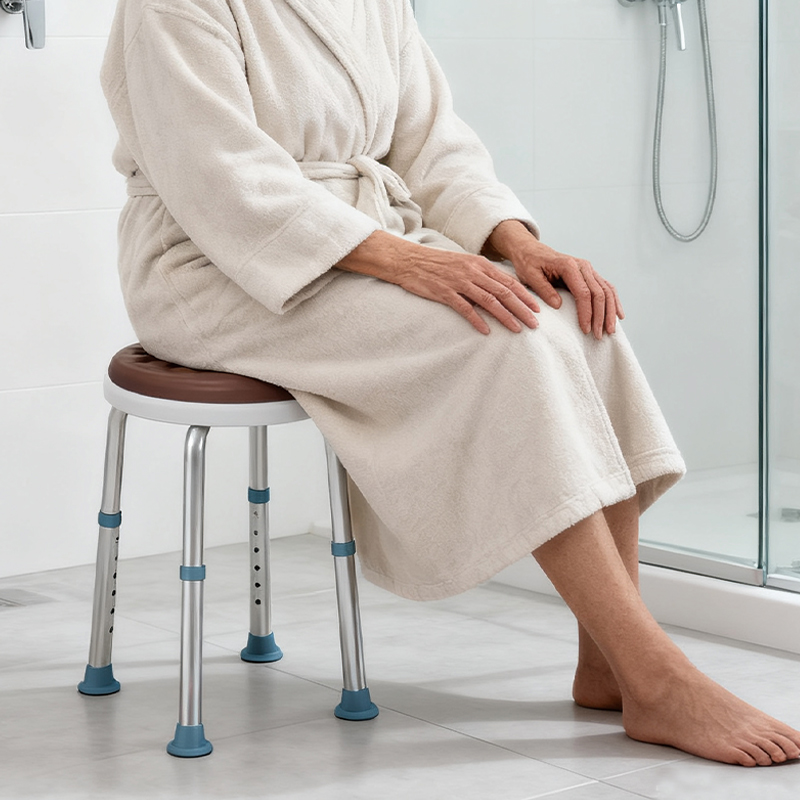
360° Swivel Elderly Bath Chair with Anti-Slip Base - Fixed Shower Bench
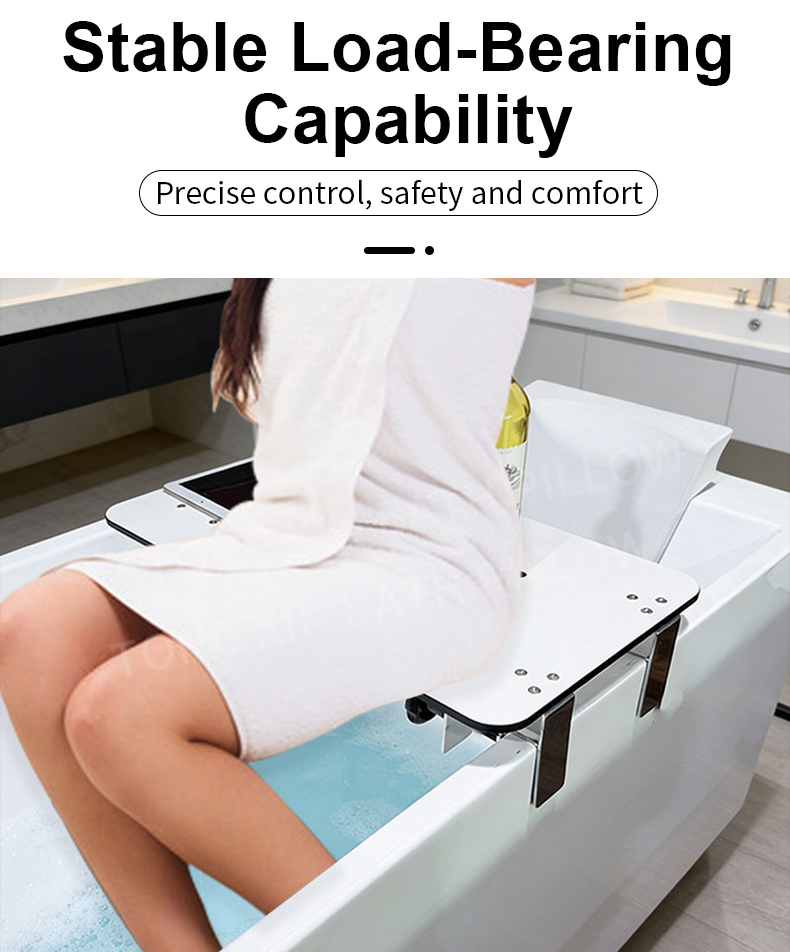
New Design Bathtub Folding Stool Waterproof & Moisture-Resistant 90-Degree Foldable Height-Adjustable Universal Bathtub Seat
Modern Anti-Slip TX-23A Waterproof Hot Water Mat Safe and Stable for Bathroom or Hotel Use
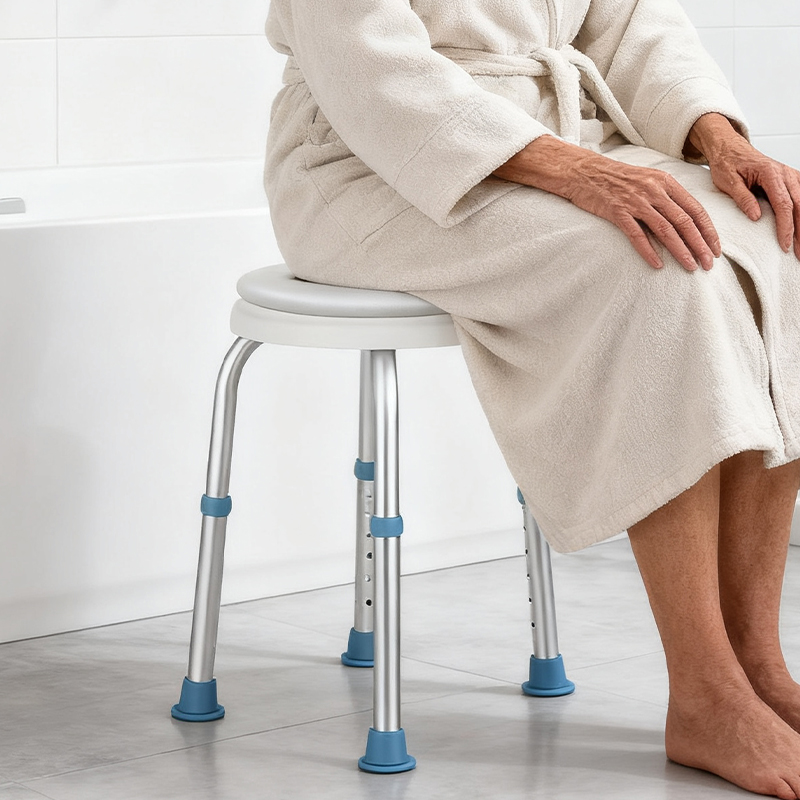
360 Degree Dual-Sided Rotating 6 Steps Height Adjustable Soft Cushion Waterproof Anti-Collision Lightweight Shower Stool Seat
What is the typical tooling cost for a custom-designed molded auto parts project?
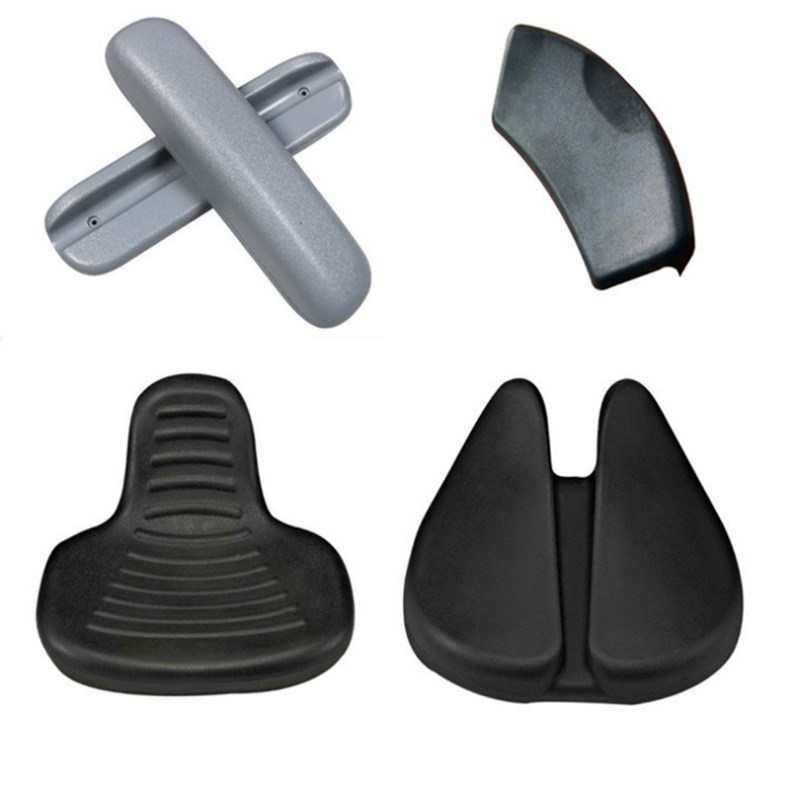
The typical tooling cost for a custom-designed molded auto parts project, such as self-skinning polyurethane steering wheels or armrests, varies depending on material, part complexity, and production volume. Tooling expenses usually represent a one-time upfront investment, with OEM/ODM mold development costs determined by design specifications, dimensional tolerances, and production run requirements.
Core Solutions & Key Takeaways
- Material Selection Impact: Self-skinning polyurethane (PU) offers high elasticity, wear resistance, and hydrolysis resistance, which lowers wear on molds compared to rigid plastics.
- Design for Manufacturing (DFM): Standardizing inserts, draft angles, and wall thickness reduces mold complexity and subsequent tooling costs.
- OEM/ODM Customization: Utilizing professional design capabilities, such as those that develop over 10 new items monthly, minimizes iteration cycles and design errors.
- Application Versatility: Molded polyurethane components apply widely to steering wheels, armrests, headrests, and safety components within automotive and motorcycle sectors.
Detailed Architectural/Principle Analysis
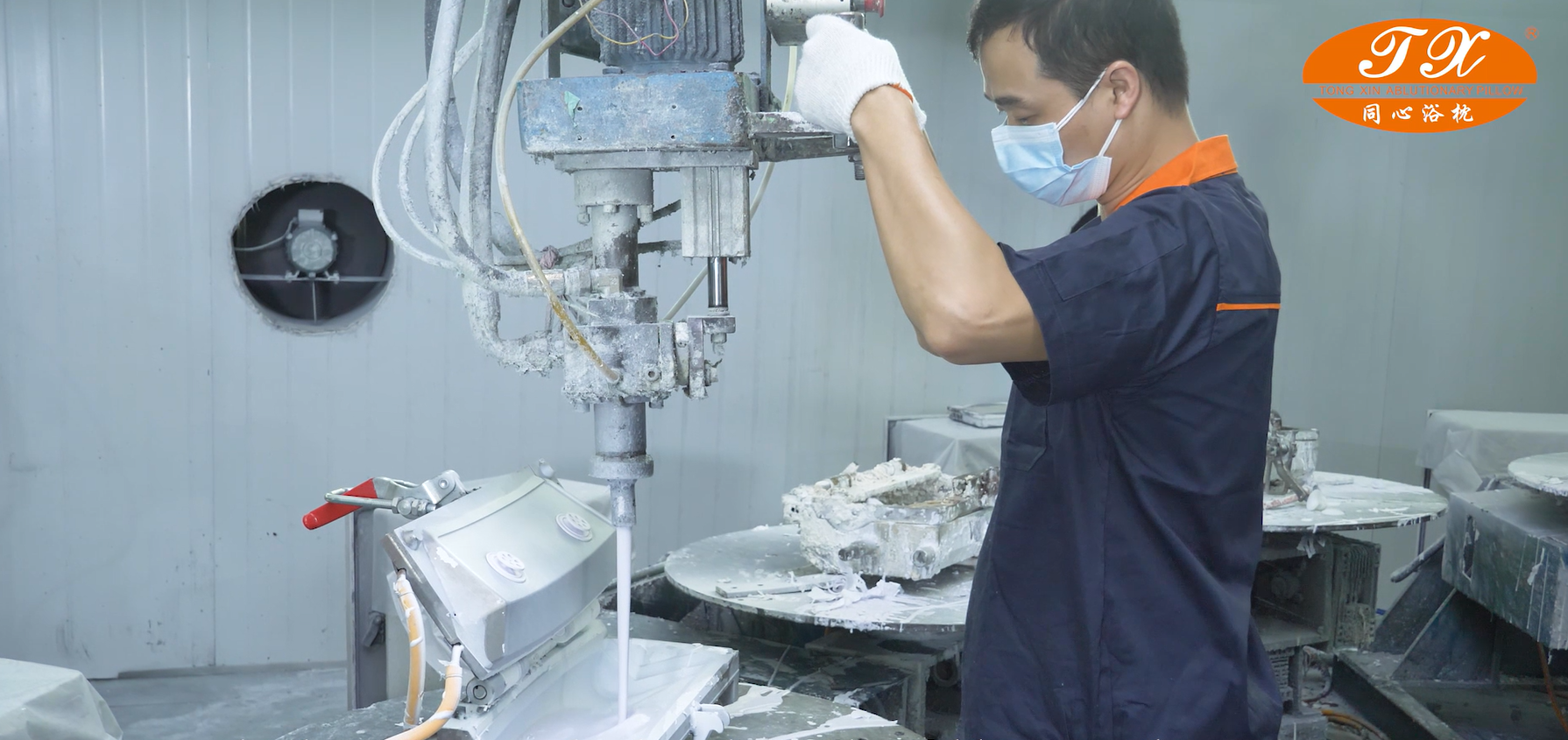
To accurately determine the tooling cost for custom-designed molded auto parts, engineering teams must evaluate three main structural drivers. Mold material selection represents the primary cost variable. Polyurethane molding projects, such as self-skinning steering wheels, frequently utilize aluminum molds due to the low-pressure processing requirements of PU chemistry. Aluminum tooling provides a cost-effective alternative to hardened steel, significantly reducing CNC machining hours and overall setup expenses.
Part complexity and integrated features directly scale tooling costs. Design elements such as deep cavities, texturing, and embedded metal cores require complex mold configurations with sliding cores or mechanical inserts. Foshan City Heart to Heart Household Wares Manufacturer applies over 20 years of manufacturing experience to resolve these design challenges, optimizing mold geometry to avoid unnecessary tooling complexity. Operating a 5000 square meter factory, the facility carries out strict raw material and production process quality inspections, ensuring tooling matches the required dimensional accuracy from the first trial run.
Compliance and quality certifications are vital to prevent costly tooling re-designs. Molds developed under ISO9001 and verified through RoHS and REACH standards guarantee that final molded polyurethane accessories meet rigorous global safety and environmental requirements. This structured approach prevents post-production tooling modifications, protecting the client's initial capital investment.
Data/Solution Comparison
The following comparison table outlines the parameters, lead times, and logistical methods for different molding project scopes, providing a clear reference for procurement planning.
| Parameter / Requirement | Custom Steering Wheel (Auto Parts) | Standard PU Molded Accessory |
|---|---|---|
| Minimum Order Quantity (MOQ) | 100 pcs | 1 pc |
| Tooling & Production Lead Time | 25 days | 2 to 25 days |
| Applicable Quality Certifications | ISO9001, RoHS, REACH | ISO9001, CE, SGS |
| Export Shipping Methods | FBA sea freight, air freight, land freight | FBA sea freight, air freight, land freight |
| Supported Payment Models | TT advance + final payment before delivery; Alipay | TT advance + final payment before delivery; Alipay |
Frequently Asked Questions (FAQ)
How do custom polyurethane (PU) molds differ from plastic injection molds in cost?
Polyurethane molding utilizes low-pressure aluminum tooling, which requires less material and faster machining times. This typically reduces initial tooling costs by 30% to 50% compared to high-pressure injection molding steel tools, making it highly cost-efficient for medium-volume automotive parts.
What is the typical development timeline for custom auto part tooling?
The engineering, tool fabrication, and initial sample production phase generally takes 20 to 25 days. Once the tool design is finalized and approved, production capacity can support output speeds tailored to delivery schedules, with standard orders shipping in 25 days.
How can we verify the quality of a molded auto part before tool finalization?
Verification is managed through raw material quality inspections and finished product performance testing. A thorough quality protocol, including structural safety and appearance inspections, is applied during the initial prototype phase before tool acceptance.
Final Conclusion & Recommendations
To optimize tooling investments for custom-designed molded auto parts, industrial buyers should partner with manufacturers offering integrated design, tooling fabrication, and performance testing services. Utilizing low-pressure polyurethane tooling is highly recommended for parts with complex geometries or self-skinning surfaces, as it eliminates secondary finishing processes and reduces upfront mold costs. For detailed technical solutions or support, please reach out to us via tongxin@tongxinyz.com.
About Us
Foshan City Heart to Heart Household Wares Manufacturer, established in 2002, is a specialized producer of PU (polyurethane) products, including automotive steering wheels, armrests, and medical instrument accessories. Operating a 5000 square meter factory with 30-50 employees, the company possesses an R&D capacity to develop more than 10 new items per month and maintains a monthly production capacity of 50,000 pcs. The facility maintains strict quality standards backed by ISO9001, CE, SGS, REACH, and RoHS certifications, exporting 80% of its products to over 40 countries and serving major global brands. 
SUBSCRIBE
INQUIRY