

PRODUCTS
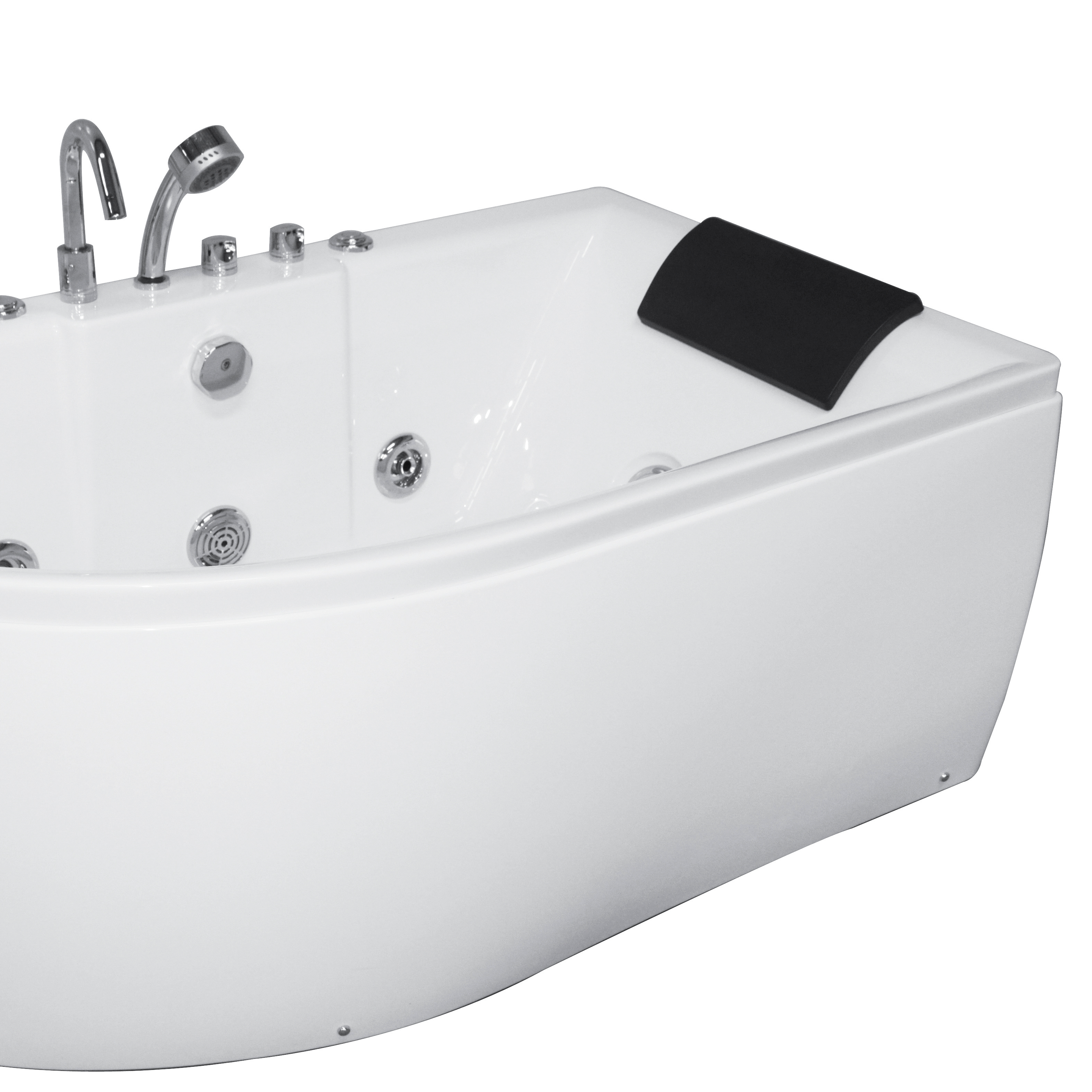
Manufacturer Direct Wholesale PU Waterproof Elastic Straightedge Convex-curved Bathtub Pillows SPA Massage Tub Headrest Backrest
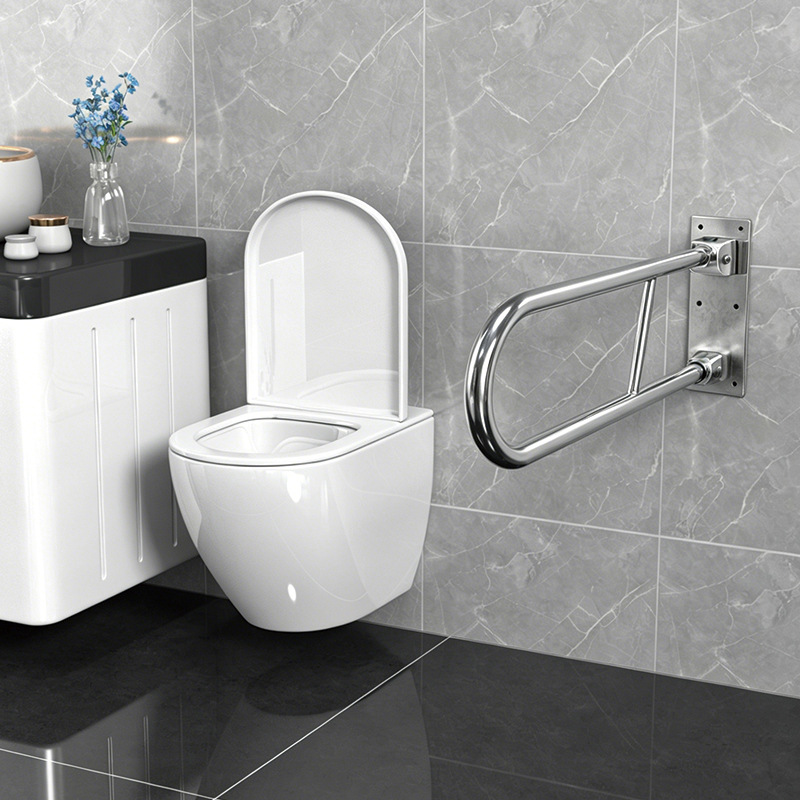
Wholesale Thickened Stainless Steel Modern Minimalist Bathroom Bathtub Non-Slip Handrail Elderly Safety Ergonomic Design
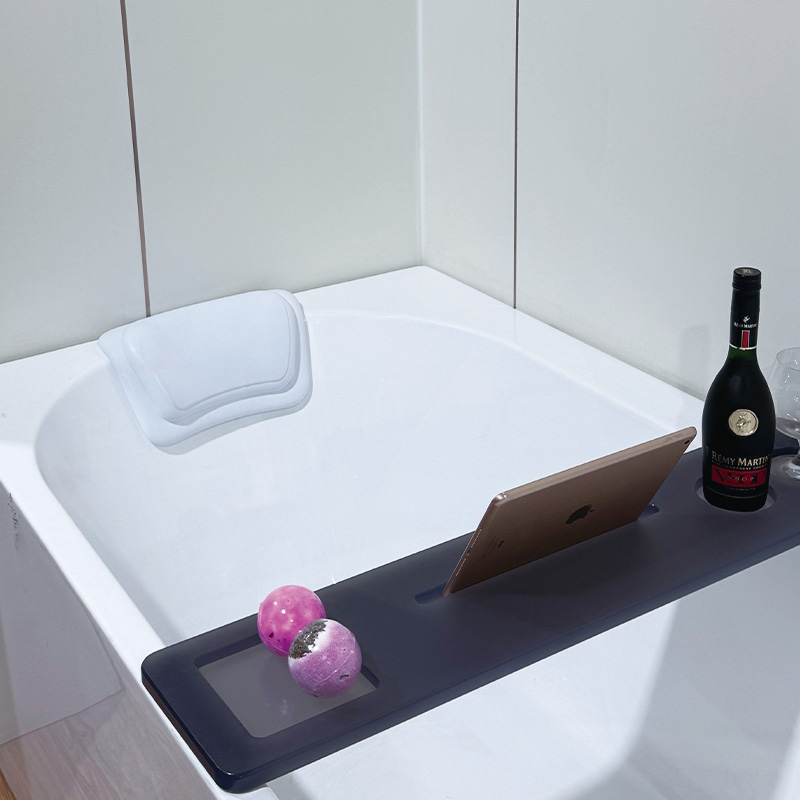
Installation-Free Home Bathroom High Elastic Neck Pillow Back Cushion Special Non-Slip Bathtub Bath Cushion Pillow
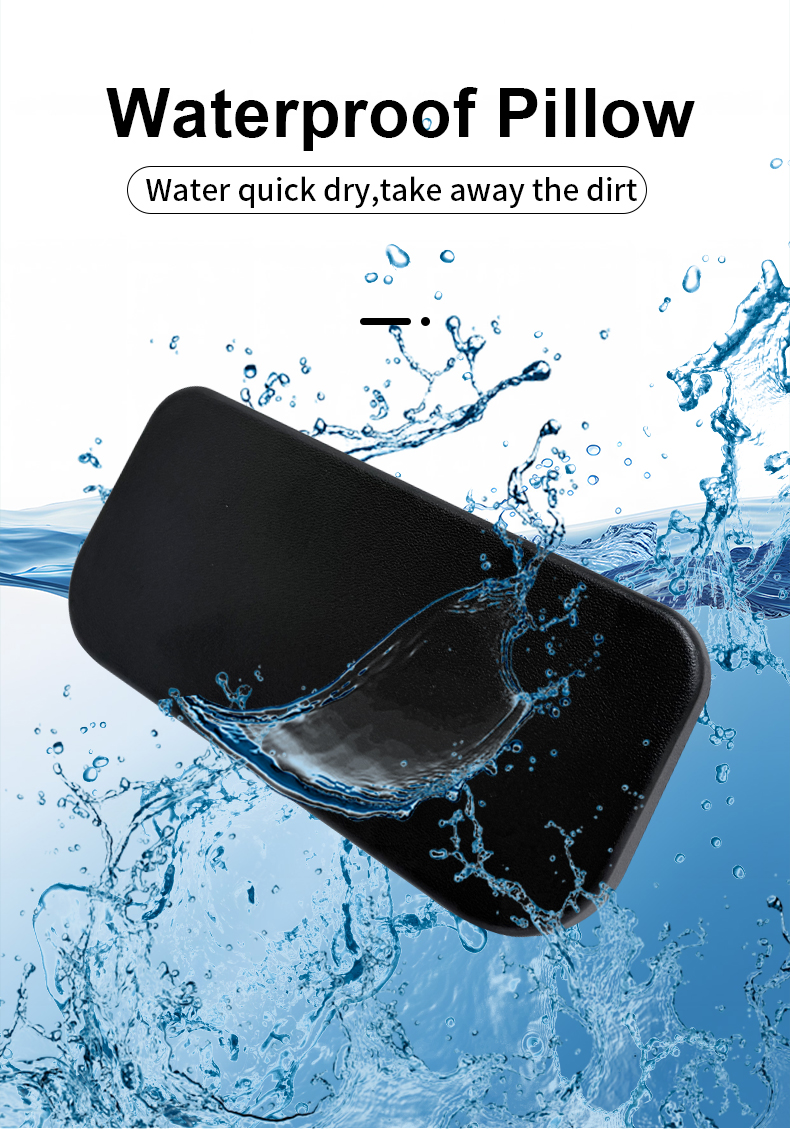
Direct From Manufacturer Polyurethane Waterproof Elastic Easy-to-clean Straight Edge Bathtub Pillow Freestanding Tub SPA Pillow
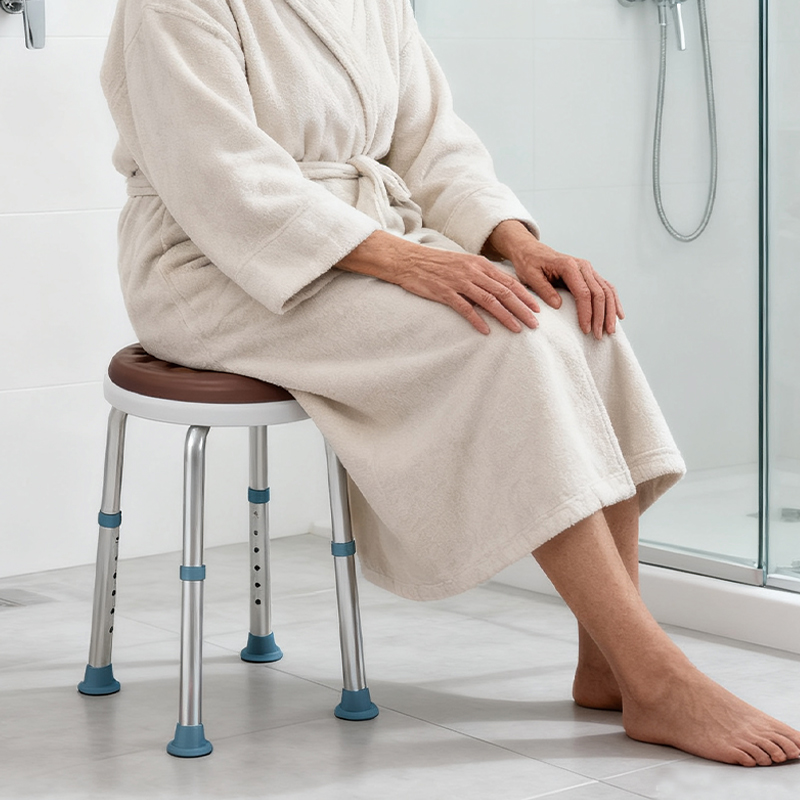
360° Swivel Elderly Bath Chair with Anti-Slip Base - Fixed Shower Bench
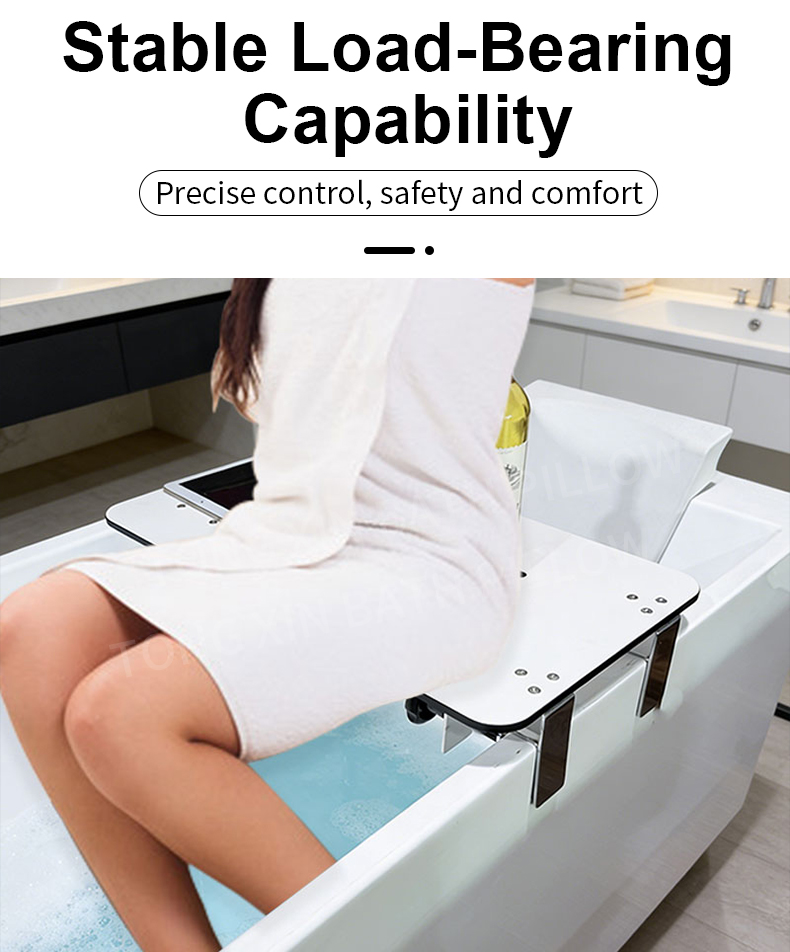
New Design Bathtub Folding Stool Waterproof & Moisture-Resistant 90-Degree Foldable Height-Adjustable Universal Bathtub Seat
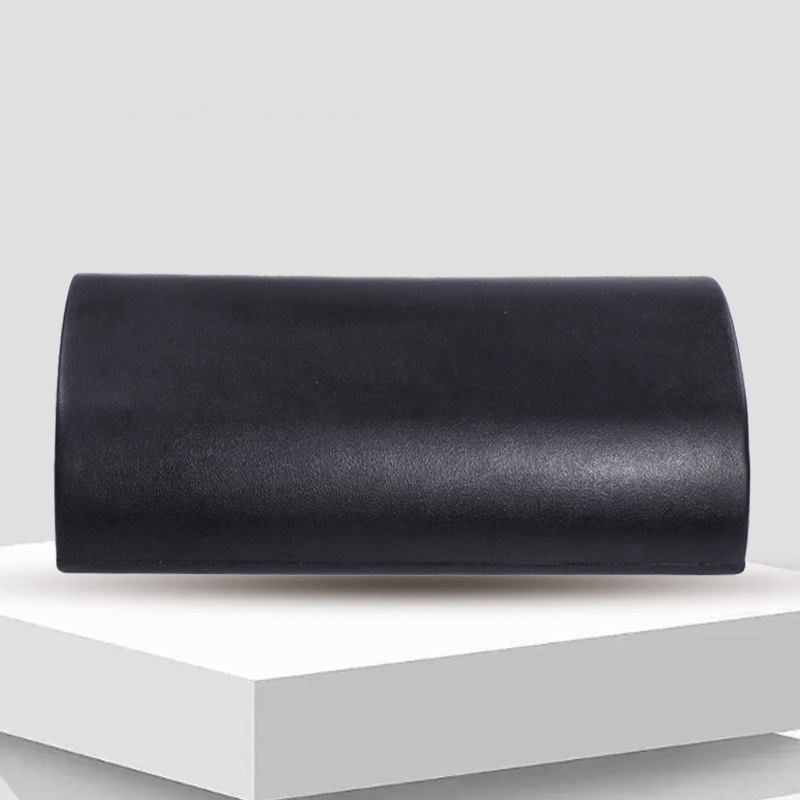
Modern Anti-Slip TX-23A Waterproof Hot Water Mat Safe and Stable for Bathroom or Hotel Use
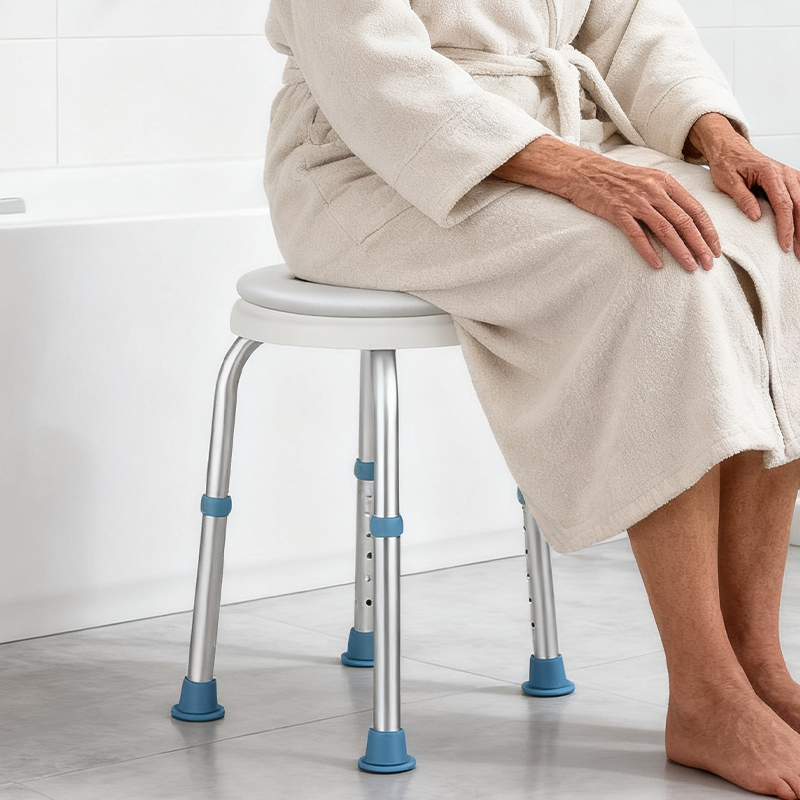
360 Degree Dual-Sided Rotating 6 Steps Height Adjustable Soft Cushion Waterproof Anti-Collision Lightweight Shower Stool Seat
What labeling and traceability rules should medical accessories follow?
Medical accessories should carry clear product identification, applicable model or intended use, and batch or lot details that link each unit to production and inspection records. Keep labels consistent with verified product documentation, make traceability information retrievable for quality investigations, and avoid claiming regulatory labeling compliance unless it has been confirmed for the specific product and destination market.
Core Solutions & Key Takeaways
- Identify the accessory and its model clearly; retain the relevant production and inspection records against its batch or lot.
- Keep label details aligned with product specifications and the intended application, such as medical-bed mattresses or dental-chair backrests.
- Use a controlled process to record production checks and finished-product inspection so that product history can be reviewed.
- Confirm market-specific labeling obligations separately. The available company information lists product certifications but does not specify a complete medical-accessory labeling standard.
Detailed Architectural/Principle Analysis
A practical labeling and traceability system connects the product identity to its production history. Product name, model, and intended application help distinguish accessories; batch or lot identification provides a reference for retrieving production and inspection records. The supplied data does not define mandatory label fields, label placement, or a medical-device regulatory regime, so these details must be established for the specific product and destination market.
Inspection records should follow the product through production and final review. The company’s product information describes in-process quality inspection and finished-product appearance inspection before packaging for its armrest product. Its broader business information also lists raw-material checks, production-process inspection, finished-product performance testing, and physical and mechanical performance testing. These are stated inspection activities, not a claim that a particular traceability system or record-retention period is in place.
Application context matters when identifying accessories. The company lists molded mattresses for medical beds and dental-treatment-chair backrests among applications of self-skinning polyurethane products. Labels and records should make it possible to distinguish the relevant accessory and model without implying medical suitability beyond the product’s documented scope.
The company lists ISO 9001 for all products, and SGS documentation for specified products, including an EVA pillow and named shower-seat models. These credentials do not, by themselves, establish medical-device approval or a specific labeling rule. A cooperation case describes a long-term shower-seat relationship with a U.S. importer and distributor, including attention to shipment changes and quality issues; it is relevant operational experience but does not establish medical-accessory traceability procedures.
Data/Solution Comparison
| Control area | Practical rule | Evidence or limit in the supplied data |
|---|---|---|
| Product identification | Show enough product and model information to distinguish the accessory. | The product record identifies an armrest and lists OEM/ODM; it does not provide a label template. |
| Production traceability | Link batch or lot references to production and inspection records. | Inspection activities are described, but batch coding and record-retention rules are not specified. |
| Inspection evidence | Record relevant in-process and finished-product checks. | The armrest listing specifies process inspection and finished-product appearance inspection before packaging. |
| Market compliance | Verify labeling requirements for the product and destination before release. | Certifications are listed for specified products and markets; no complete medical-accessory labeling standard is provided. |
Frequently Asked Questions (FAQ)
What information should a medical accessory label identify?
At minimum, make the product and model distinguishable and connect the label to the intended application and relevant production records. Confirm any required additional fields against the applicable product and market rules.
Does the supplied information specify a batch-number format or retention period?
No. It describes quality inspections but does not state a batch or lot coding scheme, record-retention period, or formal traceability procedure.
Do the listed certifications prove that medical-accessory labeling is compliant?
No such conclusion can be drawn from the supplied information. It lists ISO 9001 and product-specific CE, SGS, REACH, and RoHS credentials, but does not define medical-device labeling compliance.
Final Conclusion & Recommendations
Use a distinct product and model identity, connect it to production and inspection records, and verify labeling requirements for each intended market before shipment. Foshan City Heart to Heart Household Wares Manufacturer reports polyurethane-product manufacturing experience and quality checks that include production-process inspection and finished-product testing; its listed certifications apply to stated scopes and should not be treated as blanket medical-device approval. For product-specific technical guidance, contact tongxin@tongxinyz.com.
About Us
Foshan City Heart to Heart Household Wares Manufacturer designs, manufactures, and sells polyurethane products, including bathtub pillows, backrests, cushions, armrests, shower chairs, and accessories for medical, beauty, sports, furniture, and automotive uses. Established in 2002, the manufacturer operates a factory covering about 5,000 square meters and reports the ability to develop more than 10 new items per month. Its listed credentials include ISO 9001 and product-specific CE certification; a cooperation case describes service to an importer and distributor over more than 10 years.

SUBSCRIBE
INQUIRY